

Reading about France won't satisfy your thirst. You have to go there and visit the most iconic sites recognised by UNESCO itself. There, you will see the exquisite Palace of Versailles, walk around the banks of the Seine, and breathe the fragrance of blooming flowers in the Loire Valley during spring. The experience is relaxing and meaningful, and you will return with stories of royal life, local legends and moments you won’t find on the internet. In this guide, you will learn about the top 10 UNESCO sites in France that are that are worth visiting, with tips on how to link them by train, bus or short drive.
What Are the 10 Most Iconic UNESCO Sites to Visit in France?
The list below covers a tidal island, grand palaces, Roman engineering and walled cities, and most are reachable by train, so you can link several UNESCO sites in France in one holiday.
1. Mont-Saint-Michel and its Bay
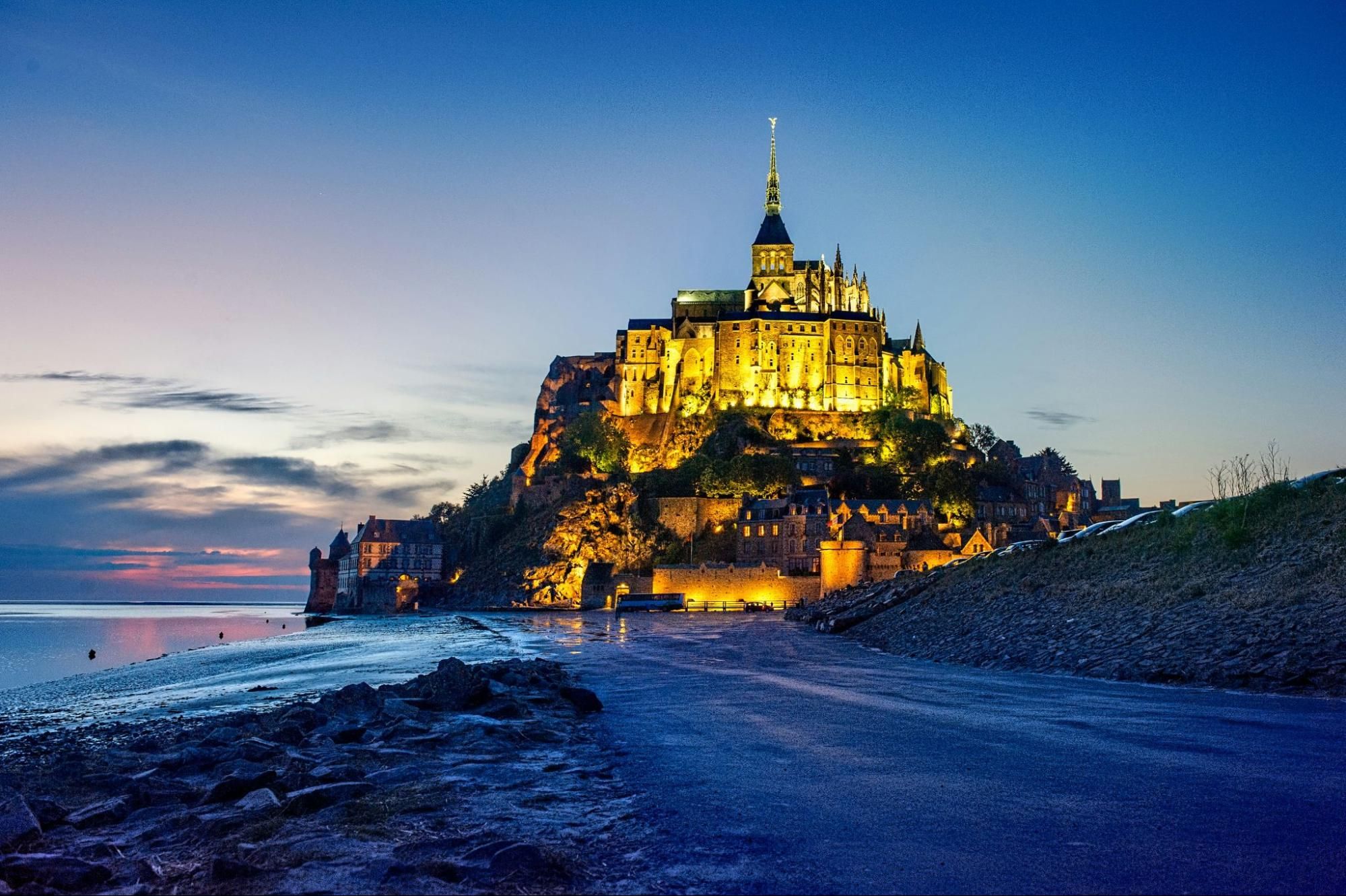 Few UNESCO sites in France look as dramatic from far away as this one. A medieval abbey sits on a rocky island, and the bay around it has some of Europe’s highest tides. You walk up one steep main street, past tiny shops, to the abbey at the top. UNESCO listed it in 1979. It’s a long day from Paris, so a night nearby makes the holiday feel relaxed.
- Time needed: About 4 hours, or overnight
- What to see: Abbey, ramparts, the bay
- What makes it special: A monastery on a tidal island
Tribe Travel Tip: Among UNESCO sites in France, this is the one where the sea sets the schedule, because on high-tide days the water covers the access esplanade for about an hour.
2. Palace and Park of Versailles
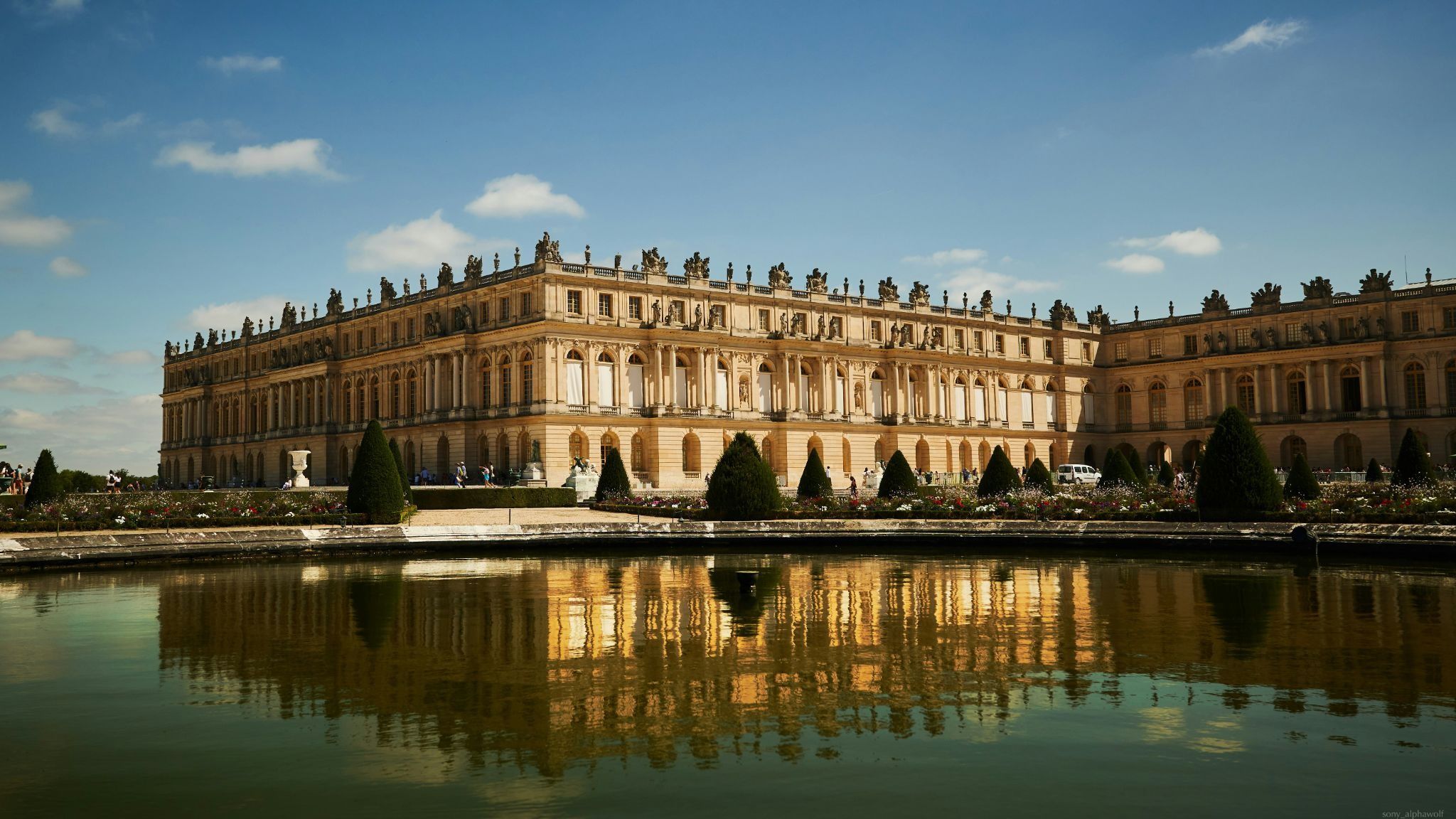 Of all the UNESCO sites in France, Versailles needs the most planning. The palace holds the Hall of Mirrors, the royal apartments and a lot of gold. Behind it, the gardens and park roll out for hundreds of hectares, with fountains, a grand canal and Marie-Antoinette’s hamlet. UNESCO listed it in 1979. It's ideal to book a timed palace slot before you go, because walking up and hoping rarely works.
- Time needed: A full day
- What to see: Hall of Mirrors, gardens, Trianon
- What makes it special: The French court’s palace and estate
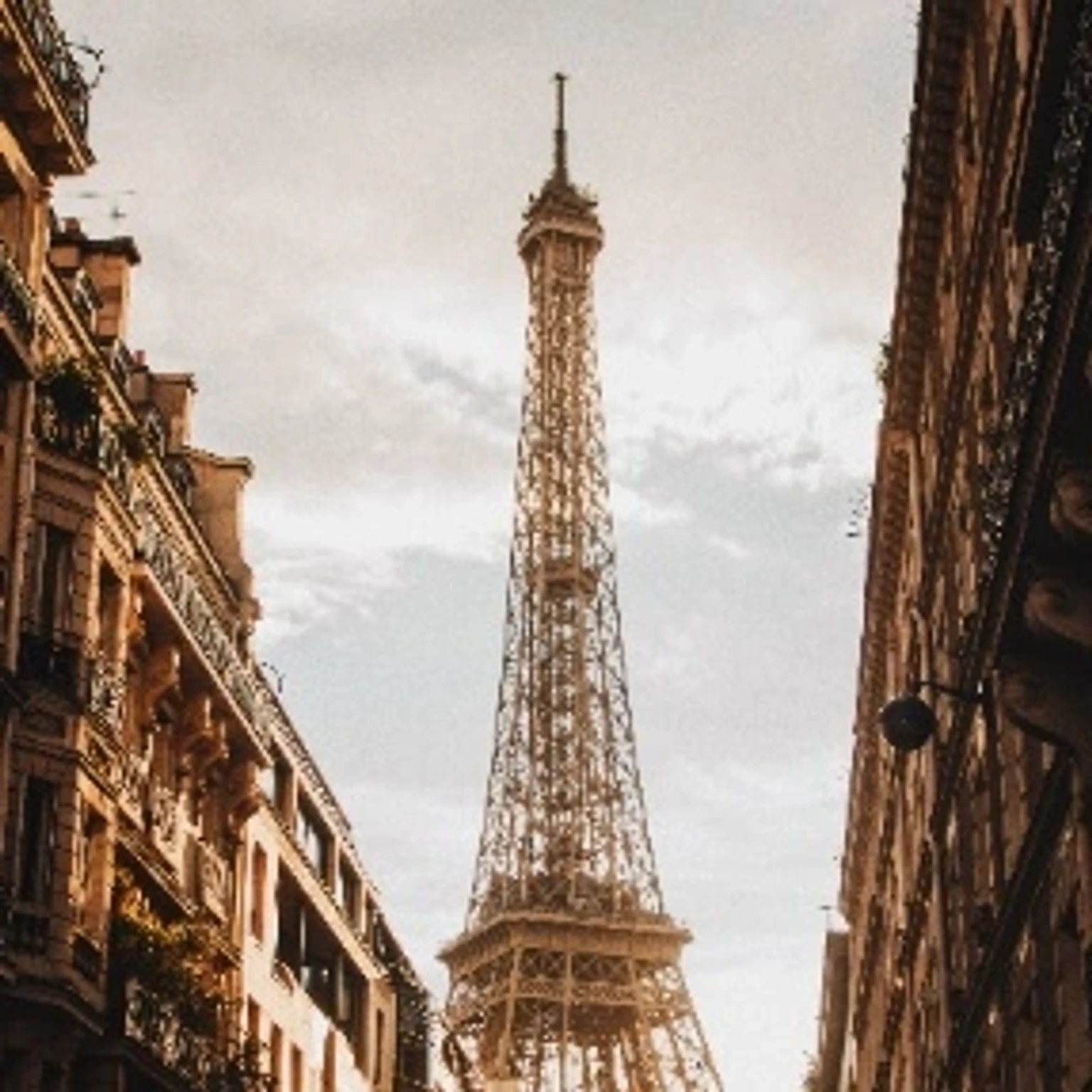
3. Paris, Banks of the Seine
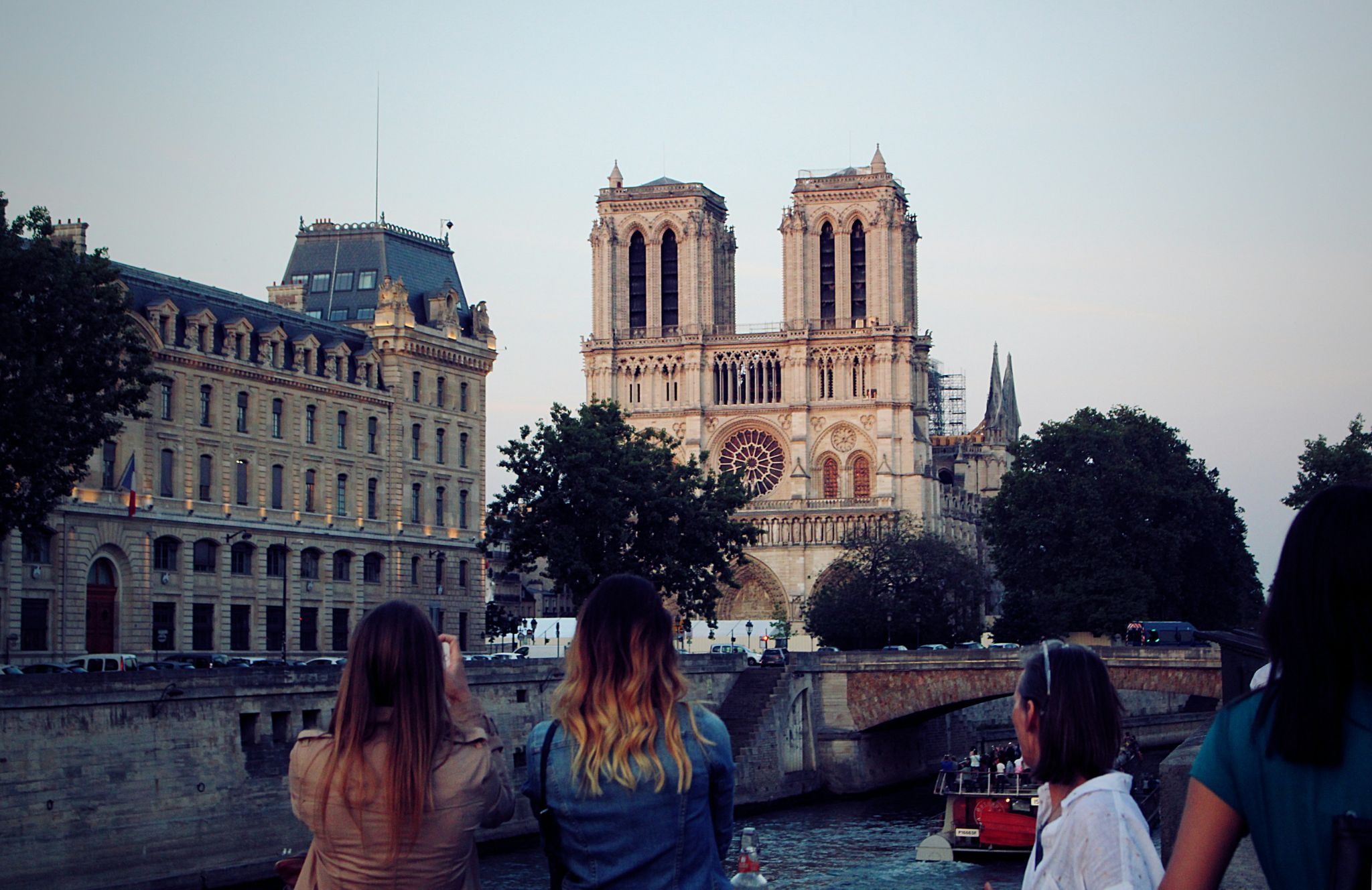
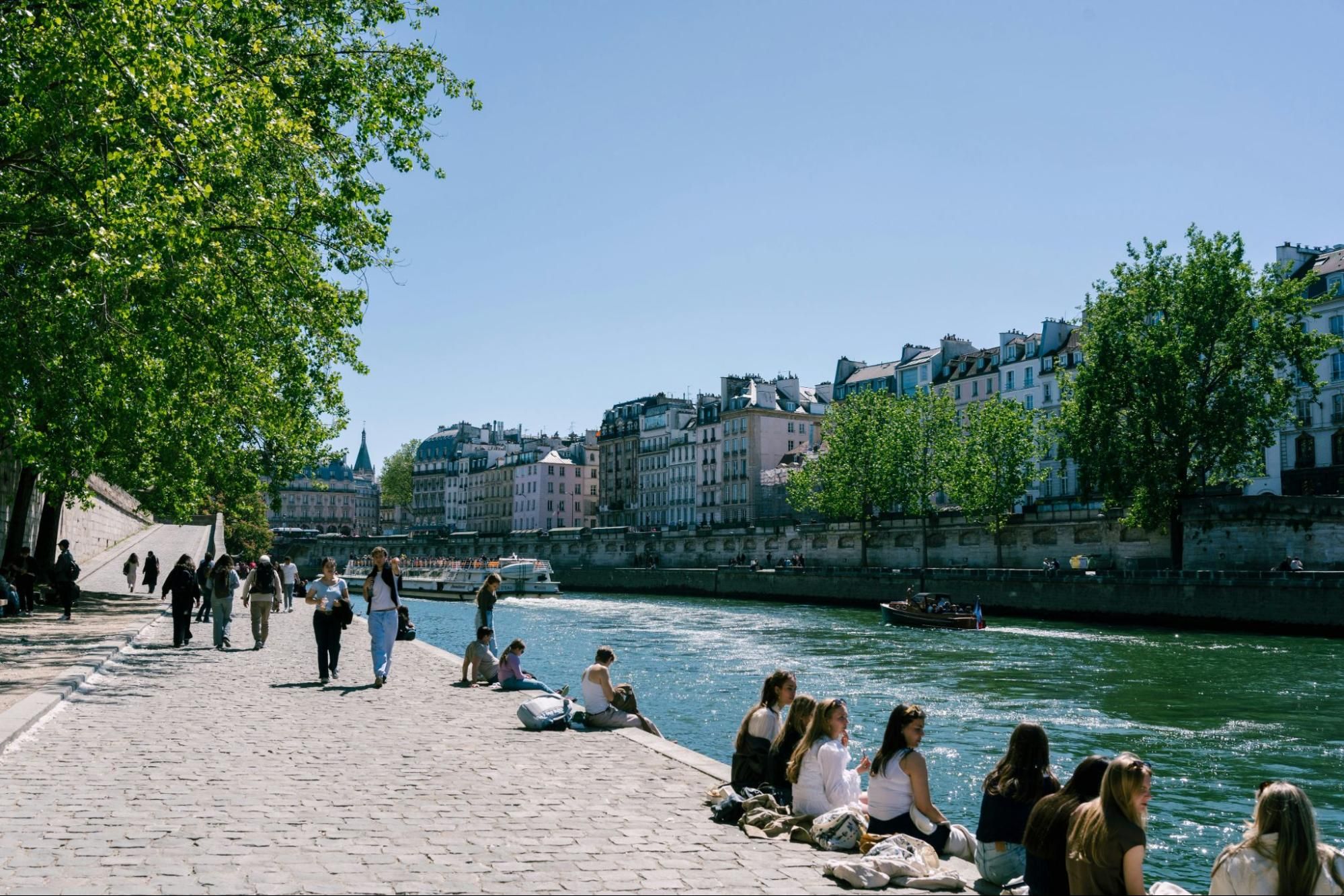 This is the easiest of the UNESCO sites in France to visit, because there’s no gate. UNESCO listed the banks between the Pont de Sully and the Pont d’Iéna in 1991, along with the Île de la Cité and Île Saint-Louis. Walk it, and you pass Notre-Dame, the Louvre and the Eiffel Tower. You can follow the water, cross a few bridges and let the city come to you.
- Time needed: Half a day on foot
- What to see: Notre-Dame, Sainte-Chapelle, Louvre, Eiffel Tower
- What makes it special: Paris’s story, told along the river
4. Loire Valley
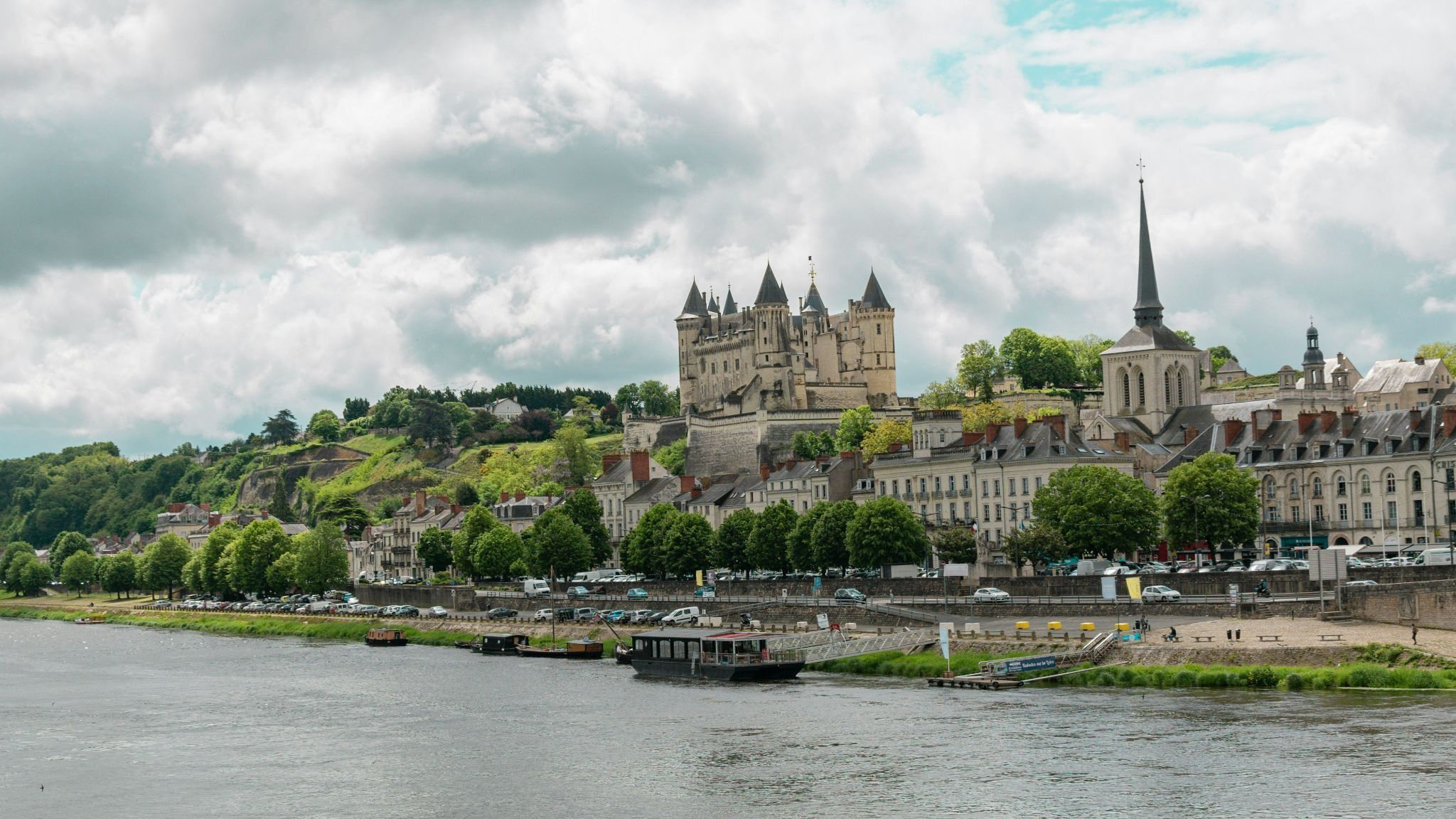 The Loire is the biggest of the UNESCO sites in France, and it isn’t a single sight. UNESCO listed 280 kilometres of river, towns and châteaux in 2000, between Sully-sur-Loire and Chalonnes. Chambord, Chenonceau, Amboise, Blois and Azay-le-Rideau are the big names. You can’t see them all, so pick two or three and give them time. Tours or Amboise make easy bases.
- Time needed: 2 to 3 days
- What to see: Chambord, Chenonceau, Amboise
- What makes it special: A river valley shaped by Renaissance ideas
5. Chartres Cathedral
 Among UNESCO sites in France, Chartres is worth the hour from Paris for the glass alone. Listed in 1979, the cathedral holds an extraordinary collection of 12th- and 13th-century stained glass. On a sunny day, the nave glows blue here. You can look up, then look down, because a stone labyrinth is set into the floor. It’s quieter than Paris, and the old town around it is easy to wander.
- Time needed: 2 to 3 hours
- What to see: Stained glass, labyrinth, west front
- What makes it special: Medieval glass that has lasted 800 years
Tribe Travel Tip: Few UNESCO sites in France have a floor like this one, and the labyrinth is usually covered by chairs. That’s why Fridays matter, as it’s uncovered on most Fridays from Lent to the autumn, though hours change.
6. Historic Fortified City of Carcassonne
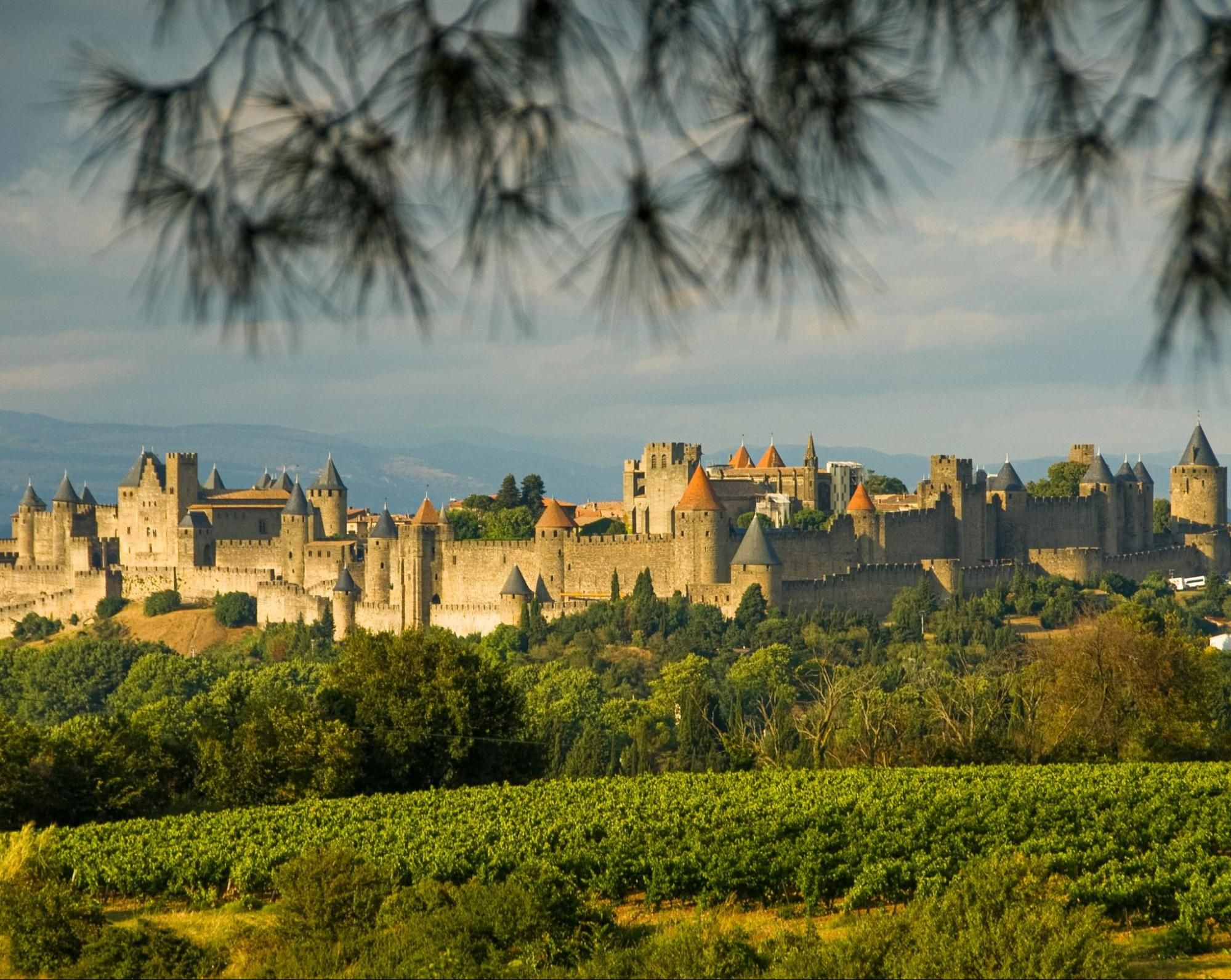 Carcassonne looks like a film set, and it’s bigger than you expect. La Cité is a hilltop town with a double ring of walls, three kilometres long, and 52 towers. UNESCO listed it in 1997, and only a few UNESCO sites in France let you walk between two rings of walls like this. You can also wander the lanes and step into the Basilica of Saint-Nazaire, which has fine medieval stained glass.
- Time needed: Half a day
- What to see: Ramparts, Château Comtal, Basilica
- What makes it special: 52 towers and 3 km of double walls
7. Pont du Gard
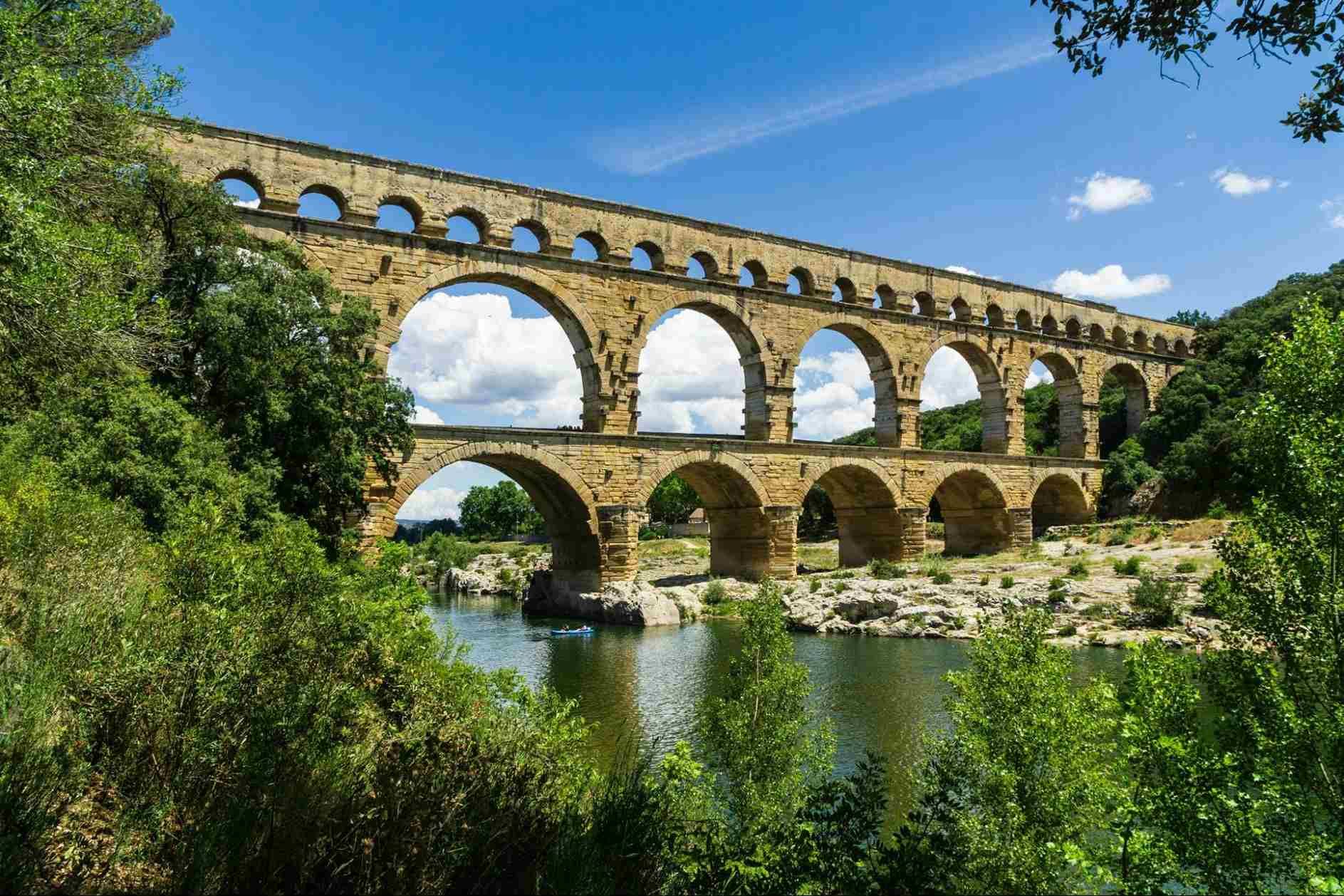 The Pont du Gard is a Roman aqueduct bridge, built in the first century AD to carry water to Nîmes, and among UNESCO sites in France it’s one of the easiest to enjoy. At 49 metres, it’s the tallest Roman aqueduct bridge in the world, and it stands without mortar. UNESCO listed it in 1985. You can walk the lower level, visit the museum, then cool off in the river.
- Time needed: 2 to 3 hours
- What to see: Bridge, museum, river beaches
- What makes it special: The tallest Roman aqueduct bridge
8. Historic Centre of Avignon
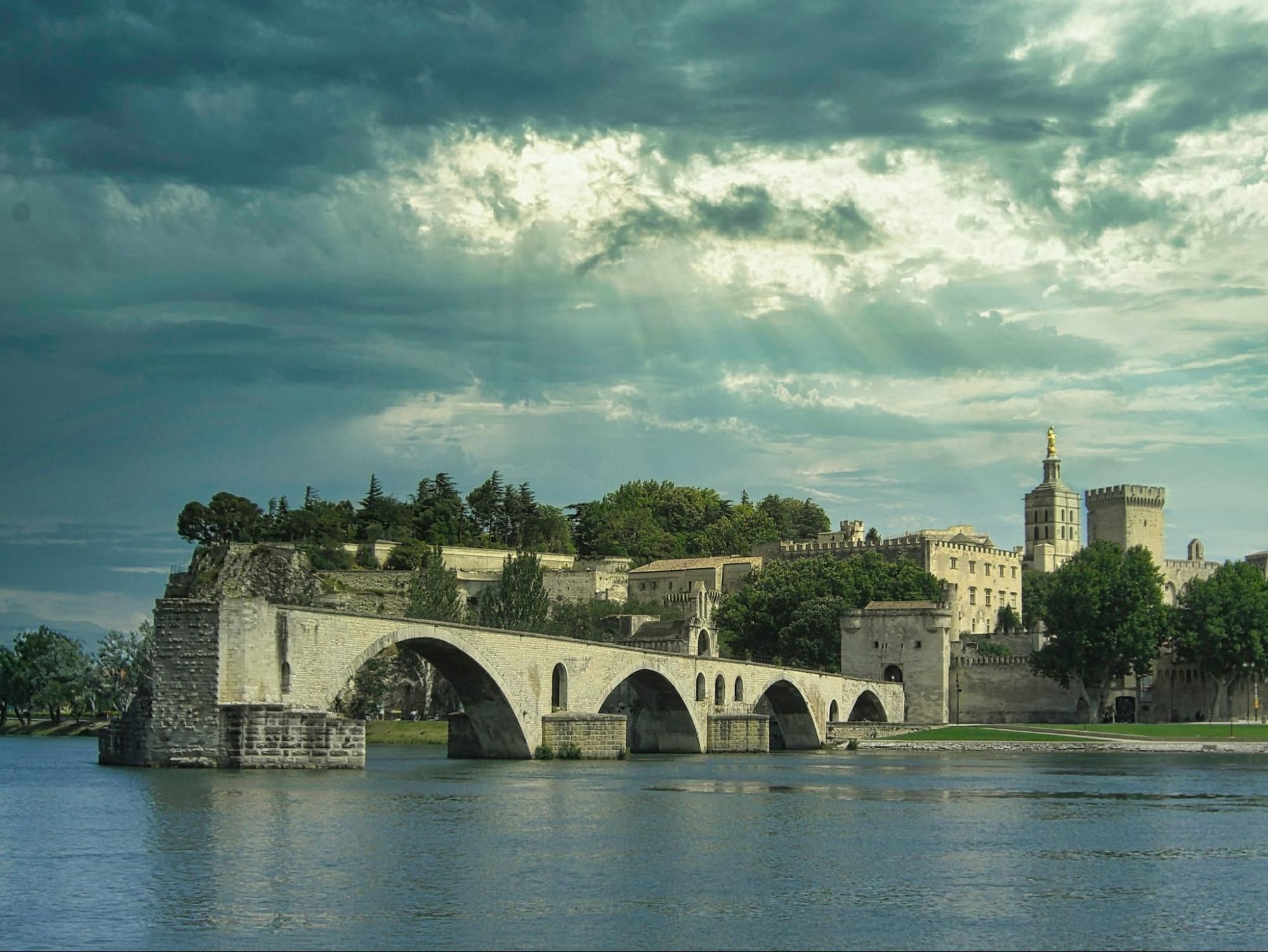 Avignon was the pope’s home in the 14th century, and among UNESCO sites in France, it still feels like a seat of power. The Palais des Papes is one of the largest Gothic palaces in Europe, with the cathedral and 4.3 kilometres of ramparts around it. UNESCO listed the centre in 1995. The Pont Saint-Bénézet stops halfway across the Rhône, with only four of its 22 arches left.
- Time needed: 1 day
- What to see: Palais des Papes, Pont Saint-Bénézet, Rocher des Doms
- What makes it special: The papacy’s seat in the 1300s
9. Strasbourg, Grande-Île and Neustadt
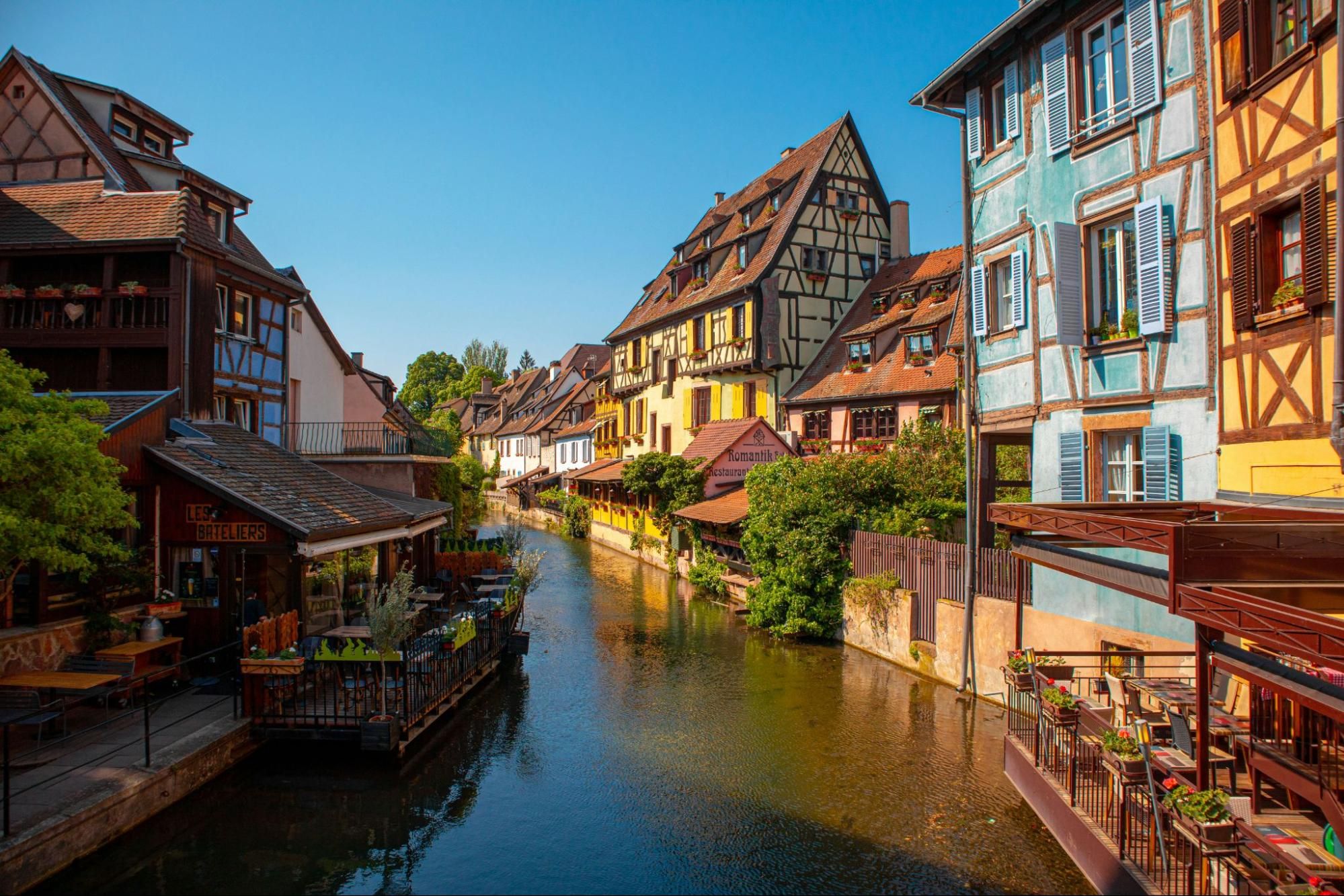 Strasbourg gives you two cities in one, and among UNESCO sites in France it’s one of the easiest to walk. The Grande-Île, listed in 1988, is the old centre on an island ringed by the River Ill, with the cathedral and the half-timbered houses of Petite France. UNESCO added the Neustadt, the German district built after 1870, in 2017. The canals do half the work.
- Time needed: 1 to 2 days
- What to see: Cathedral, Petite France, Neustadt
- What makes it special: The first whole city centre listed
Tribe Travel Tip: Among UNESCO sites in France, this clock is worth arriving early for: the cathedral’s astronomical clock performs at 12:30 every day, after a short film. That’s why it helps to arrive by 11:30, when the ticket counter opens, since the space fills fast.
10. Bordeaux, Port of the Moon
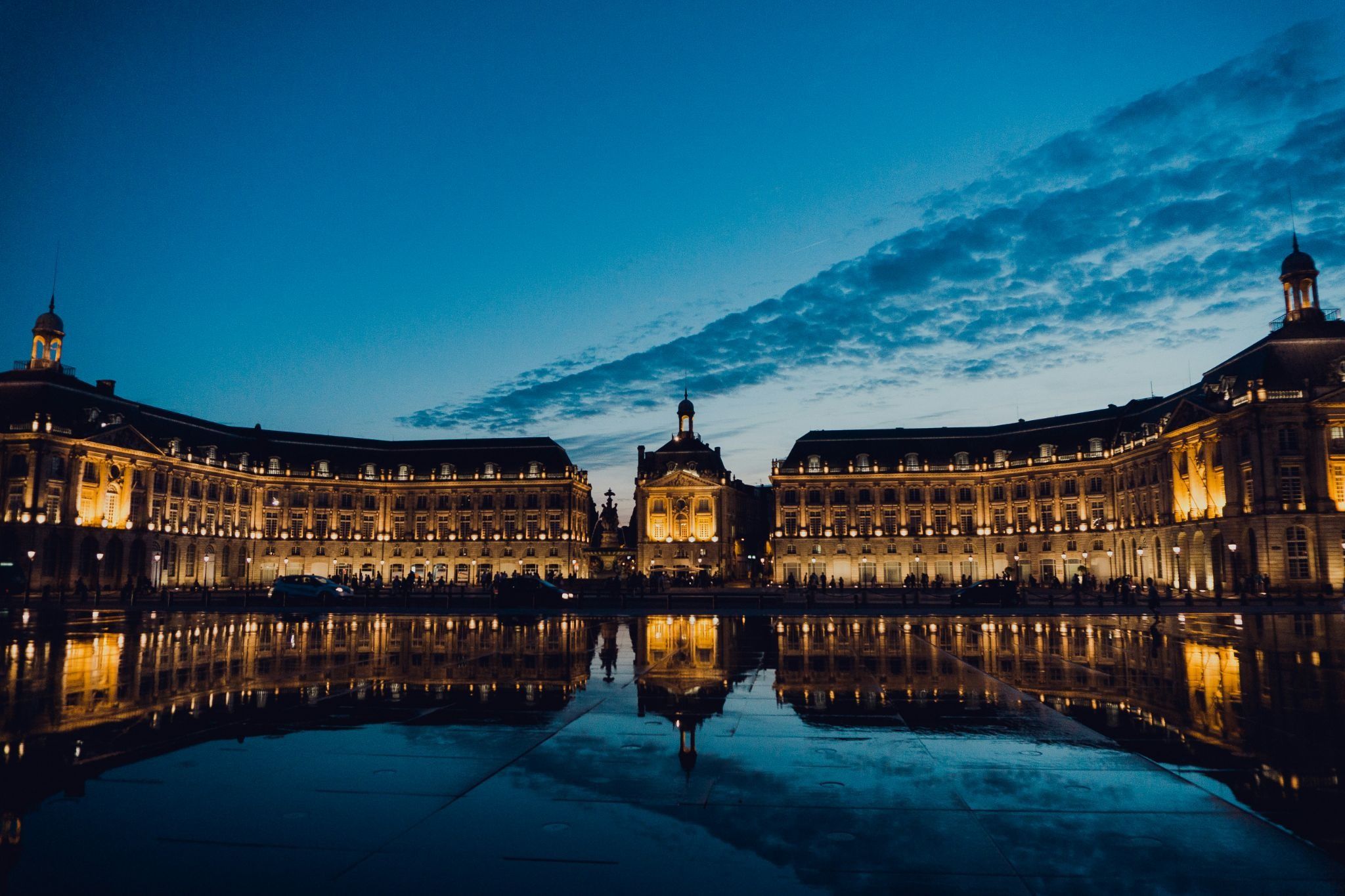 Bordeaux is a port city with a calm elegance, and a gentle stop among the UNESCO sites in France. UNESCO listed it in 2007 as the Port of the Moon, named for the crescent bend of the Garonne. The 18th-century waterfront is the star, with Place de la Bourse facing the river and the Miroir d’eau in front of it, the largest reflecting pool of its kind.
- Time needed: 1 to 2 days
- What to see: Place de la Bourse, Miroir d’eau, Grand Théâtre
- What makes it special: An 18th-century city on a river crescent
When Is the Best Time to Visit UNESCO Sites in France?
April to June and September to October are the best months for most UNESCO sites in France. These months have milder weather and thinner crowds than July and August.
Season | Good for | Watch out for |
Spring (April to June) | Versailles fountains start, and Carcassonne and Pont du Gard are warm, not extreme | Easter and school-holiday crowds |
Summer (July and August) | Carcassonne’s 14 July fireworks and swimming near Pont du Gard | Peak crowds, and Carcassonne can reach 35 to 40°C |
Autumn (September and October) | Calmer sites and big tides at Mont-Saint-Michel around the equinox | Shorter days by late October |
Winter (late November to December) | Strasbourg’s Christmas market, one of the oldest in France | Short days and cold nights |
What Travel Tips Should You Know Before Visiting UNESCO Sites in France?
Most planning mistakes at UNESCO sites in France come down to distance and timing, so these five points save the most trouble.
- Day trips from Paris: Two UNESCO sites in France fit a day excursion from Paris, since Versailles takes about 40 minutes by RER C and Chartres about an hour by train.
- Mont-Saint-Michel from Paris: Expect 3.5 to 4 hours each way by train and bus, so a night nearby is kinder.
- Mont-Saint-Michel parking: Cars stop 2.5 km away, and a free Passeur shuttle does the rest.
- Crossing the bay: Walk it only with an approved guide, as routes run from 2 to 6 hours.
- Pont du Gard: It sits outside Avignon, so plan a car or a bus for it.
Where Should You Start With UNESCO World Heritage in France?
Among the UNESCO sites in France, start a first holiday with Paris, Versailles and Chartres, then add the Loire or Mont-Saint-Michel, and save the south and Strasbourg for a second trip. However you build your UNESCO World Heritage France list, these places reward early starts, slow lunches and fewer stops done well. Explore our pre-planned France holiday packages, or tell us which sites you want and we’ll build a customised itinerary around them. Speak with a Holiday Tribe advisor today.