


You’ve chosen your travel dates, arranged your leave, and maybe even shared your plans at work. Then, with just one line in an email, your visa gets rejected and everything is put on hold. It hurts, especially when you think about the money you’ve already spent, the plans you made, and the worry that you might have made a mistake. But here’s some good news. Most visa refusals happen for a few common reasons that can be fixed, and a rejection doesn’t mean your journey is over. This guide explains why visas are often refused, how you can improve your chances, and what steps to take if you still get a no.
What Does a Visa Rejection Actually Mean?
A refusal just means the consulate was not fully convinced by your application. It does not mean you are banned forever. Visa officers follow strict rules, and Article 32 of the Schengen Visa Code lists the reasons they can refuse a visa. To give you some perspective, India was the third-largest source of Schengen applications in 2025, with over 1.15 million submitted. About one in six applications was refused. If you feel nervous, you are not alone. The refusal letter will explain the reason for the rejection, which can help you understand what to improve. In most cases, you can appeal or reapply with a stronger application.
What are the common Visa Rejection Reasons
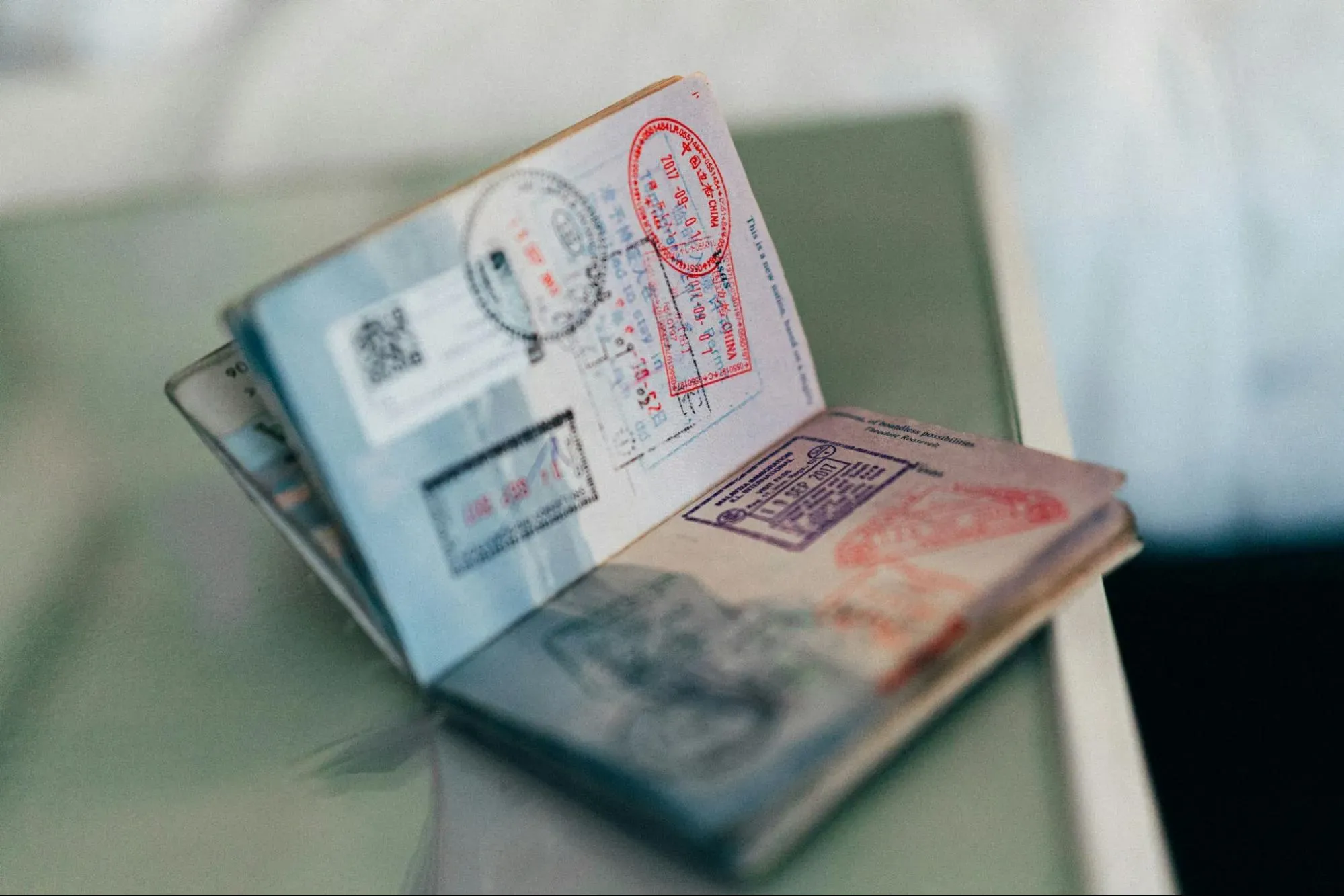
Most refusals come down to trust. The officer needs to believe your travel plans, your financial situation, and that you will return home. These are the main reasons applications get rejected.
- Weak proof of funds: Bank statements that show low balances or sudden large deposits without explanation can raise concerns.
- Incomplete or contradictory documents: If the dates on your itinerary, hotel bookings, and leave letter do not match, it can cause problems.
- Unclear travel purpose: Simply stating “tourism” without a detailed plan can make your application look weak.
- Weak ties to home: If you do not have strong reasons to return, like a job, business, family, or property, your application may be refused.
- Missing or inadequate travel insurance: For Schengen visas, you need insurance that covers at least 30,000 euros. Not having this is an immediate red flag.
- Passport problems: Your passport should be valid for at least six more months and have at least two blank pages.
- Past overstays or violations: If you have broken visa rules before, this can lead to a refusal.
- Applying to the wrong consulate: Always apply to the consulate of the country where you plan to spend the most time.
- Fake or altered documents: Submitting false documents can lead to a long ban. It is never worth the risk.
How to Avoid a Visa Rejection?

Make sure your file tells a clear, consistent story that answers the officer’s questions before they even ask. For each reason listed above, find a straightforward solution.
Common Trigger | Simple Fix |
Thin or erratic bank balance | Show 3 to 6 months of steady statements, no sudden deposits |
Vague travel plans | Attach a day-by-day plan with confirmed stays |
Weak return proof | Add job or business letters, plus property or family ties |
No travel insurance | Buy Schengen-valid cover before you apply |
Mismatched dates | Cross-check every date across all documents |
Wrong consulate | Apply to the country of your longest stay |
If you follow these steps, you will greatly reduce your chances of having your visa application rejected, even if you have already been refused once.
A Quick Document Checklist Before You Apply

Going through a simple checklist is the easiest way to avoid getting refused because of missing documents.
- Make sure your passport is valid for at least six months and has two blank pages.
- Fill out and sign the application form.
- Have confirmed flight and hotel bookings that match your travel dates.
- Get travel insurance that covers at least 30,000 euros.
- Bank statements for the last three to six months
- Provide proof of your ties, such as a job or business letter, or documents showing property or family connections.
- Write a short, clear cover letter that explains your travel plan.
What to Do After a Visa Rejection?
First, stay calm and avoid sending the same application again. If you rush and reapply without changes, you will likely get the same result.
- Check the reason for refusal. The letter will explain exactly why your application was rejected and what you need to address.
- Work on the main issue. You might need to show stronger finances, improve your travel plan, or provide missing documents.
- Think about appealing. According to Article 32(3) of the EU Visa Code, most Schengen countries allow you to appeal within a certain time frame.
- If you want to reapply, make your application stronger. There is no set waiting period, but applying again without changes usually does not work.
Getting rejected again with the same application is common. Use the first refusal as helpful feedback, not as a final decision.
2026 Visa Updates Indian Travellers Should Know
Some rule changes this year have caused confusion. Here’s what you need to know.
- ETIAS does not apply to India. Only travelers who can already enter Europe without a visa will use ETIAS, so Indian passport holders still need a full Schengen visa. The launch of ETIAS is now delayed until after 2026.
- EES is a different system. The new Entry/Exit System will record your border crossings digitally, and there is no fee for this.
- The UK is its own case. A Schengen visa does not cover the UK, and a UK visa does not cover Europe, so combined holidays need both.
- A short-stay Schengen visa lets you stay for up to 90 days within any 180-day period.
These changes do not affect the main reasons for visa rejection. Decisions are still based on your finances, documents, and travel intentions.
How Holiday Tribe Protects You From Visa Rejection Losses
This is the part most travellers worry about: the money. Usually, you wait for your visa before booking, but by then, flights and hotels often cost more. With Holiday Tribe Visa Shield, you can secure today’s prices and let us handle the risk. If your visa is refused at any point, even by our own visa team before it goes to the embassy, we’ll refund everything you paid to Holiday Tribe: flights, hotels, activities, transfers, and our visa service fee. The only fees we can’t return are those you pay directly to the embassy or visa centre, since we don’t collect those. Your refund will go back to your original payment method within 15 working days. If you’re travelling with family or a group and only some visas are refused, you can choose to cancel everything or continue with those who are approved. In short, if your visa is rejected, your plans are protected because your booking is already covered.
Travel With the Visa Worry Taken Care Of
If your application gets refused, it can usually be fixed. Knowing what causes refusals gives you an advantage over most people. Make sure your funds, documents, and travel plans are ready, apply to the right consulate, and keep your information honest and consistent. When you want to start planning your holiday, our advisors are here to help. Holiday Tribe offers both ready-made packages for those who want everything organised and fully customised holidays if you prefer to choose your own route, hotels, and pace. We include visa support and Visa Shield, so if your visa is rejected, you do not lose the money you paid for your holiday. Just tell us your dates and what kind of trip you want, and we will take care of the rest.