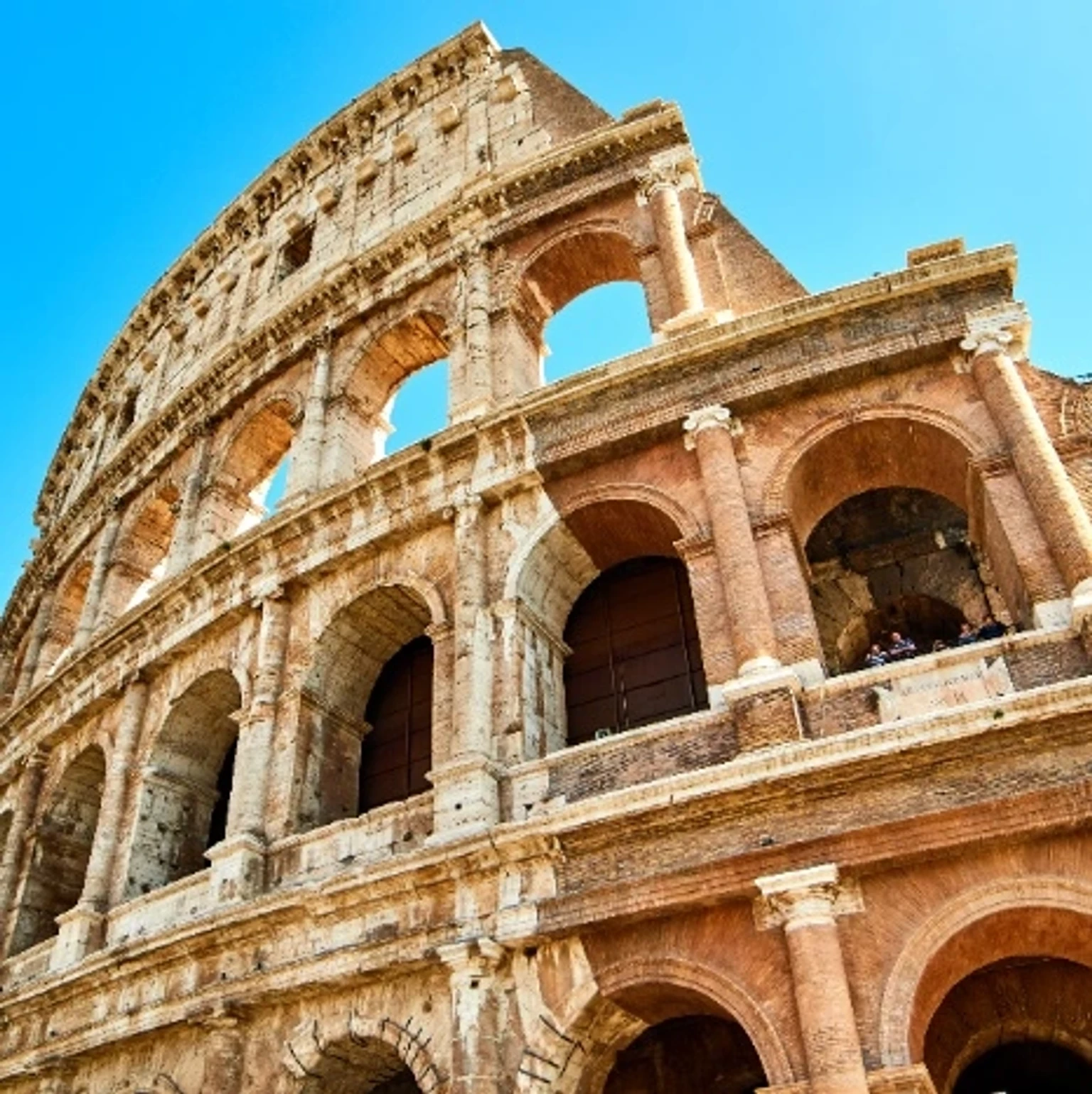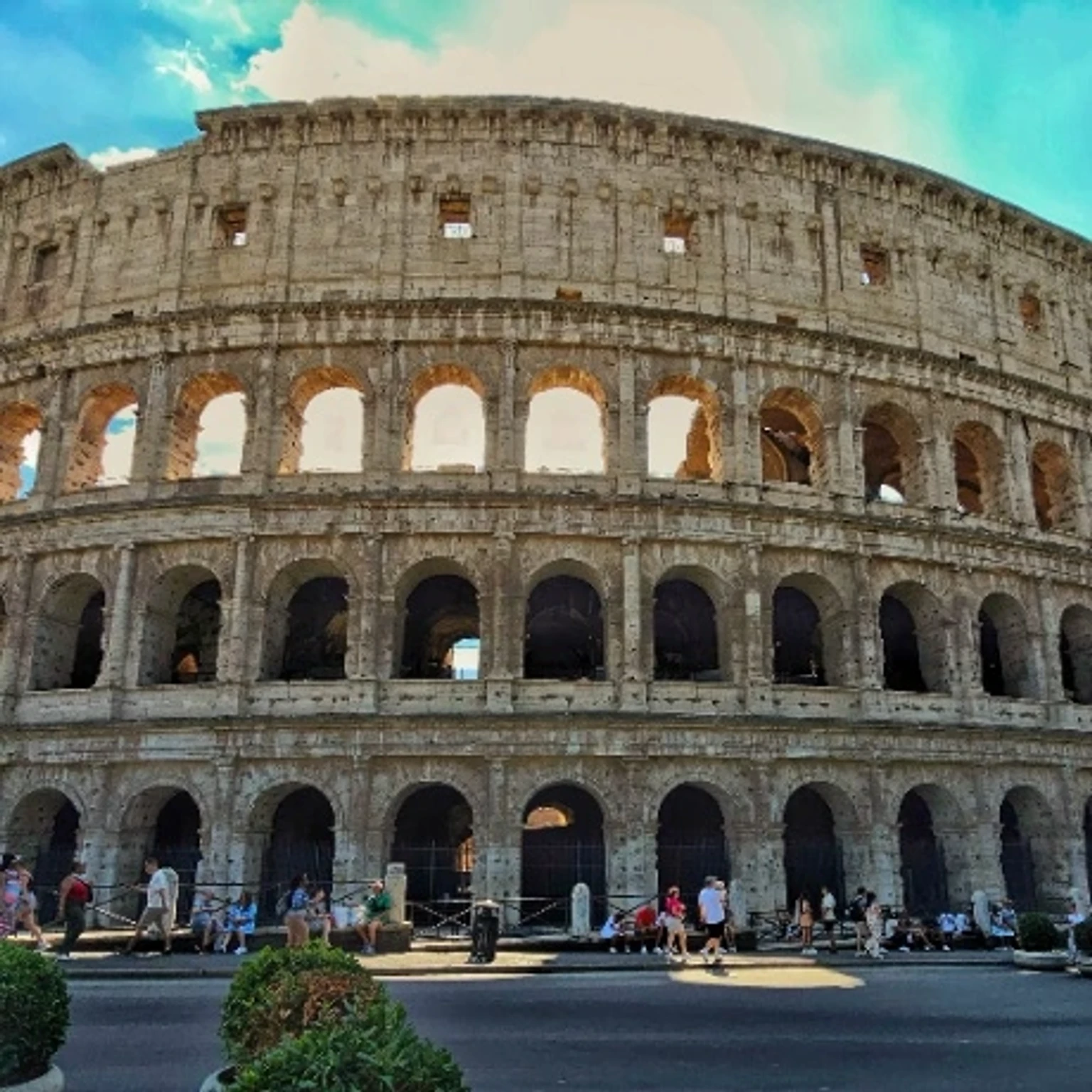


Most people have no trouble finding the Colosseum. The real challenge is everything else: figuring out which ticket lets you onto the arena floor, understanding why the best time slots disappear days ahead, and knowing if showing up at noon in July is a bad idea (it is). The Colosseum welcomes thousands of visitors every day, and those who enjoy their visit most are usually the ones who planned the details ahead of time. That’s what this guide is here to help with. We’ll cover the different types of Colosseum tickets and what they include, opening hours throughout the year, the quietest times to visit, and a nearby part of Rome that most tourists miss. Once you sort out the logistics, the Colosseum becomes much more than just a long line and a quick photo.
What Does the Colosseum Mean?
Here’s a quick bit of Colosseum history that might change how you see it when you step inside. The Colosseum wasn’t always called that. For centuries, people knew it as the Flavian Amphitheatre, named after the Flavian emperors who built it. Construction started around 72 AD under Vespasian and finished in 80 AD when his son Titus opened it with a hundred days of games. They built it on the drained site of Nero’s private lake, which was a pointed move against the unpopular emperor.
So where does the Colosseum’s modern name come from? Most likely, it’s from the Colossus of Nero, a bronze statue about 30 metres tall that once stood right next to it. The word "Colosseus" meant gigantic, and since the statue was huge, the name eventually stuck to the amphitheatre beside it. The Colosseum that Italy is known for could hold around 50,000 people, and it’s still the largest standing amphitheatre in the world. When you know that, the size feels even more impressive as you walk in.
Colosseum Tickets: Which One Should You Book?
This is where many people get confused. You can only buy official Colosseum tickets from one website, ticketing.colosseo.it, which is managed by CoopCulture. Tickets become available about 30 days before your visit. The standard ticket includes entry to the Colosseum, Roman Forum, and Palatine Hill. If you want to see the arena floor or the underground areas, you will need to buy a Full Experience ticket.
Ticket | What you get | Validity | Price (2026) |
Standard 24h | Colosseum (levels 1 & 2), Roman Forum, Palatine Hill | 24 hours | €18 |
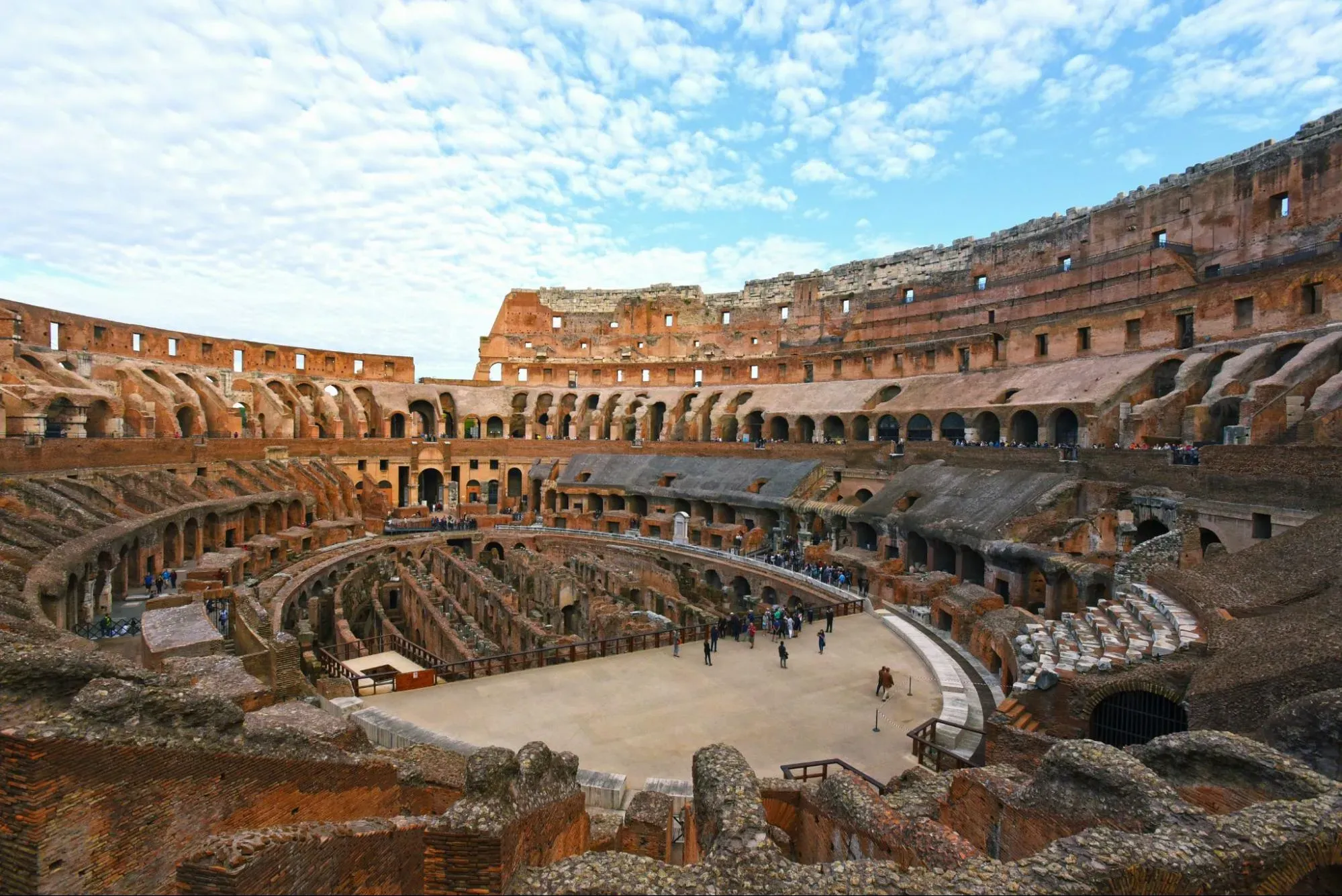
Full Experience Arena | Standard + the reconstructed arena floor | 2 days | €24 |
Full Experience Underground & Arena | Standard + arena floor + the underground tunnels | 2 days | €24 |
Full Experience Attic | Standard + the upper tiers and attic | 2 days | €24 |
A Night at the Colosseum | Guided evening visit (arena + underground) | Timed | from ~€50 |
The prices you see already include the booking fee and are listed per adult. If you are an EU citizen between 18 and 25, you get a discount, and anyone under 18 can enter for free, but you still need to book a ticket for them. Looking ahead to 2026, keep in mind that Full Experience tickets for the Colosseum, especially those that include the underground, often sell out in minutes or may not be available at all for certain dates. Being flexible with your visit date and time will give you a better chance of getting tickets.
Tribe Travel Tip: If tickets for the underground are sold out, go ahead and book a standard ticket so you can still get inside. If a guided slot becomes available later, you can add it to your booking. It’s better to have a ticket than to be stuck on a waitlist.
Colosseum Timings: Opening Hours Through the Year
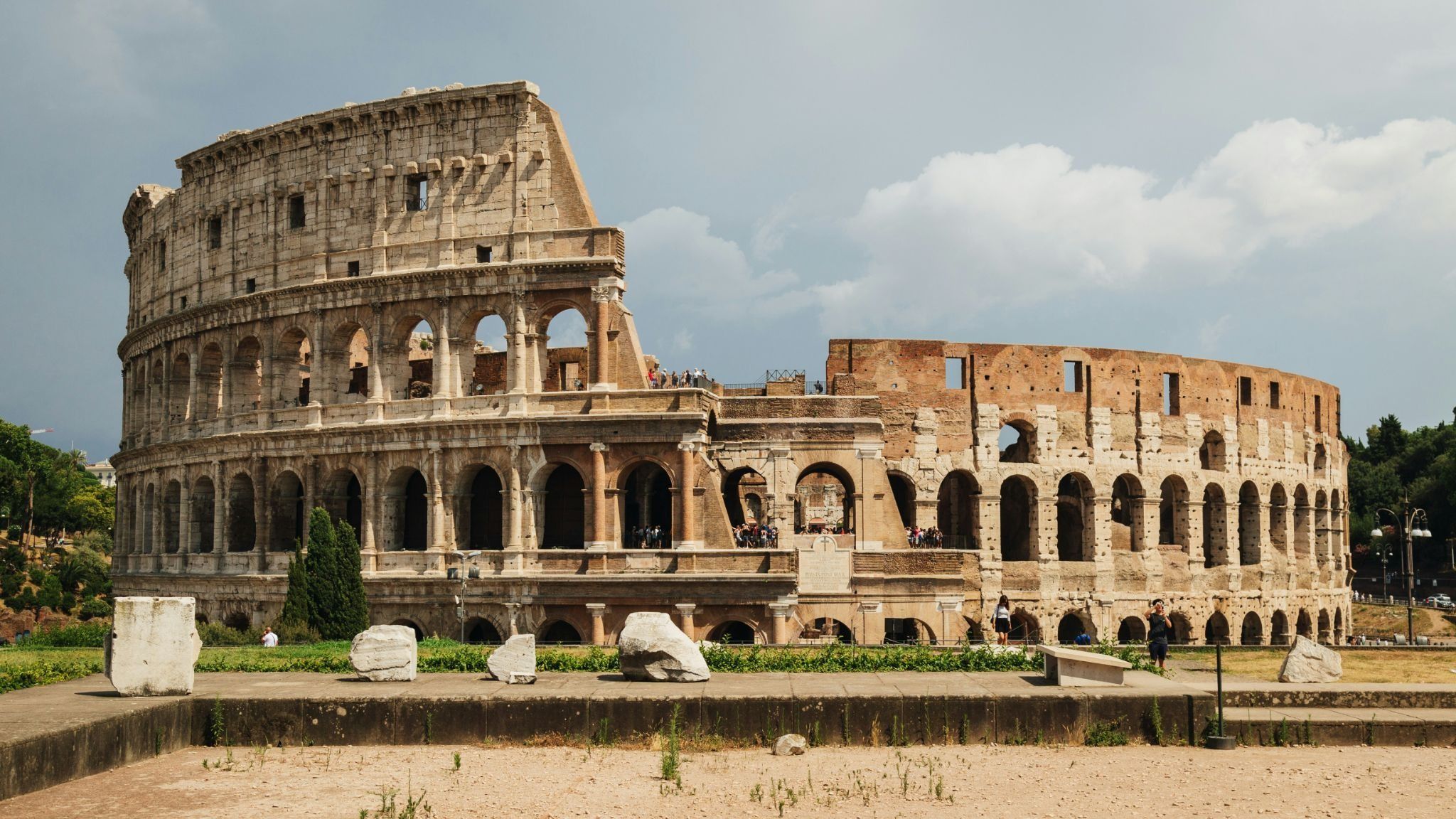
The Colosseum opens at 8:30 every day except December 25 and January 1. Closing times change with the season, usually about an hour before sunset. The Roman Forum and Palatine Hill open a bit later, at 9:00.
Period (2026) | Opening | Last entry | Closes |
29 Mar – 30 Sep | 8:30 | ~18:15 | 19:15 |
1 – 24 Oct | 8:30 | ~17:30 | 18:30 |
25 Oct – 28 Feb 2027 | 8:30 | ~15:30 | 16:30 |
The last admission is usually about an hour before closing, so try to arrive with time to spare. Dates and hours can change for events or special openings, so check the official website before your visit. Your Colosseum ticket has a set time, and staff will check that your ID matches the name on your booking.
When Is the Best Time to Visit the Colosseum?
There are two ways to answer this, since "best time" can mean either the best time of day or the best time of year.
Best Time of Day
The best time to visit is at 8:30. The light is nice, it’s still cool, and there aren’t many people yet. Late afternoon, during the last two hours before closing, is also a good option. Try to avoid visiting between about 11:00 and 15:00, especially when it’s warm.
Best Time of Year
Spring (April to May) and autumn (September to October) are ideal, with mild weather and fewer people than in the busy summer months. July and August are very hot and crowded, and there isn’t much shade inside the Colosseum, so visiting at midday in summer can be difficult. Winter is the quietest season, with shorter opening hours but much shorter lines.
Getting There and Skipping the Worst Queues
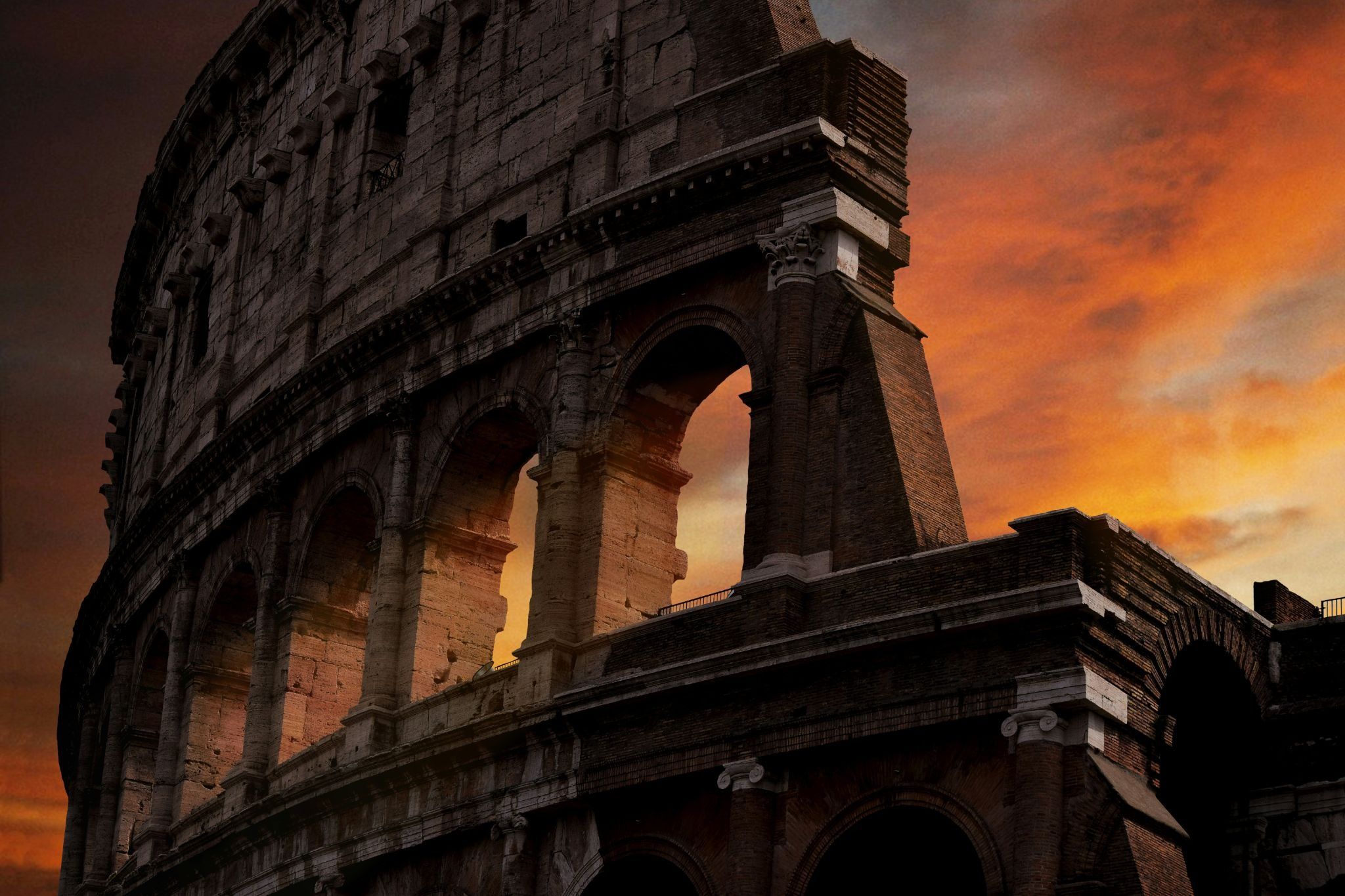
Getting to the Colosseum is simple. Take Metro Line B to Colosseo station and you’ll come out right by the entrance. Several buses and the number 3 tram also stop nearby. If you get off at Cavour on the same metro line, you’ll be in Monti, just a two-minute walk away.
Here are a few tips to help you save time on the day:
- Book your tickets online in advance. During busy months, you can’t count on just showing up and getting in.
- Arrive 20 to 30 minutes before your scheduled time so you have enough time for the security check.
- Bring a refillable water bottle. You can fill it up for free at Rome’s street fountains, called nasoni, which are safe to use.
- Carry ID that matches your booking name.
What to Do Right Next to the Colosseum
Many visitors stop at the Colosseum and move on, but a better idea is to explore Monti, the old neighborhood just behind it. Its cobblestone streets and bohemian vibe make it feel authentic and lively, not just set up for tourists.
- Aperitivo hour: Starting around 6:30pm, locals meet up for drinks and snacks before dinner. The main gathering spot is Piazza della Madonna dei Monti.
- Food and gelato: It’s best to avoid the restaurants with photo menus near the Colosseum. In Monti, you’ll find real trattorias and great gelato; Fatamorgana is always a good choice.
- A view with dinner: If you want a special night out, try the terrace at Aroma, which is right in front of the Colosseum.
- Evenings out: Monti is known for its wine bars and cocktail spots instead of big clubs. If you’re out late, many locals head over to Trastevere.
- Shopping: On weekends, Mercato Monti is the spot for vintage finds.
Standing in Monti with the Colosseum glowing at the end of the street is a memory that lasts long after your visit.
Make the Colosseum the Easy Part of Your Rome Holiday
The Colosseum really does live up to the hype, as long as you plan your visit well. Book your ticket early, aim to go at 8:30 or later in the afternoon, spend a couple of hours exploring, and save some time for Monti afterwards. If you do this, the Colosseum feels less like just another tourist stop and more like the beginning of a real Roman experience.
If you do not want to worry about ticket times, schedules, or planning your holiday, we can help. At Holiday Tribe, we offer both ready-made and fully customised Italy holidays based on how you like to travel. We take care of the Colosseum tickets, timing, and all the details. Just let us know your dates, and we will handle everything else.