

Some places stay with you long after the holiday is over, and Uluru is one of them. At first, it's easy to see it as Australia's most recognisable landmark. Spend a little time here, though, and you quickly realise it's not just the rock that makes Uluru special. It's the stories behind the landscape, the changing desert light, and the deep cultural connection the Anangu people have shared with this place for thousands of years.
If you're planning your first visit, you're probably wondering when to go, how many days you'll need, what you shouldn't miss, and whether Kata Tjuta is worth adding to your itinerary. This guide answers all of that, along with practical tips to help you make the most of your time in Uluru-Kata Tjuta National Park.
Why Is Uluru One of the Best Places to Visit in Australia?
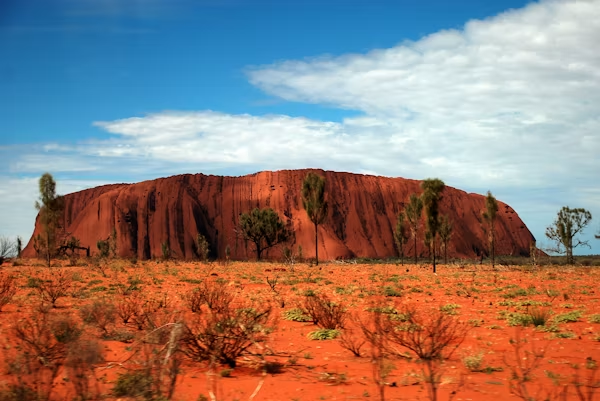
Uluru is far more than a famous landmark. It's one of Australia's most important cultural landscapes, where ancient traditions, dramatic desert scenery, and unforgettable experiences come together. Whether you're visiting for sunrise, exploring the walking trails, or learning about Anangu culture, it's one of those places that leaves a lasting impression.
Why Visit Uluru? | Why It Matters |
Cultural significance | A sacred place for the Anangu people with thousands of years of living history |
Ever-changing landscape | The colours shift throughout the day, especially at sunrise and sunset |
Unique experiences | Base Walk, Field of Light, cultural tours and Kata Tjuta all offer something different |
Australia's Red Centre | A completely different side of Australia from the beaches and cities most visitors expect |
Why Is Uluru So Famous?
Uluru is one of the world's largest sandstone monoliths, rising about 348 metres above the surrounding desert, with much of its mass extending below ground. While its size is impressive, what most visitors remember is how dramatically it changes colour throughout the day. As the sun moves across the desert, the iron-rich sandstone reflects light differently, creating everything from deep reds to warm oranges and soft purples.
Why Is Uluru Sacred to the Anangu People?
For the Anangu people, Uluru is a place of deep spiritual and cultural importance. Many areas around the rock are connected to Tjukurpa, the traditional law and creation stories that continue to guide Anangu culture, beliefs, and responsibilities.
Joining a cultural walk or guided experience offers a deeper understanding of the landscape, helping you appreciate why certain sites are sacred and why Uluru is much more than a natural attraction.
Why Can You No Longer Climb Uluru?
The Uluru climb was permanently closed in October 2019 out of respect for the wishes of the Anangu Traditional Owners.
Today, visitors are encouraged to experience Uluru by walking around its base, joining cultural experiences, and watching the changing colours at sunrise and sunset. Many travellers now say these experiences leave a much stronger impression than climbing ever did because they offer a deeper understanding of the landscape, its cultural significance, and the stories that make Uluru unique.
What Are the Best Things to Do in Uluru?
There's plenty to experience beyond simply admiring Uluru from a lookout. From scenic walks and cultural experiences to unforgettable sunrise and sunset views, these are the highlights most first-time visitors shouldn't miss.
Experience | Time Needed | Why It's Worth It |
Watch the sunrise or sunset | 1 - 2 hours | See Uluru change colour as the light shifts across the landscape |
Walk around the base | 3 - 4 hours | Discover waterholes, rock art sites, and unique landscapes hidden from the main viewpoints |
Experience the Field of Light | Evening | See more than 50,000 illuminated glass spheres transform the desert after dark |
Join an Aboriginal cultural experience | 2- 3 hours | Learn about Tjukurpa, bush foods, and the traditions that shape Anangu culture |
Tribe Travel Tip: If time allows, experience both sunrise and sunset. The changing light creates completely different colours and atmosphere, making each experience worthwhile.
Is Kata Tjuta Worth Visiting?
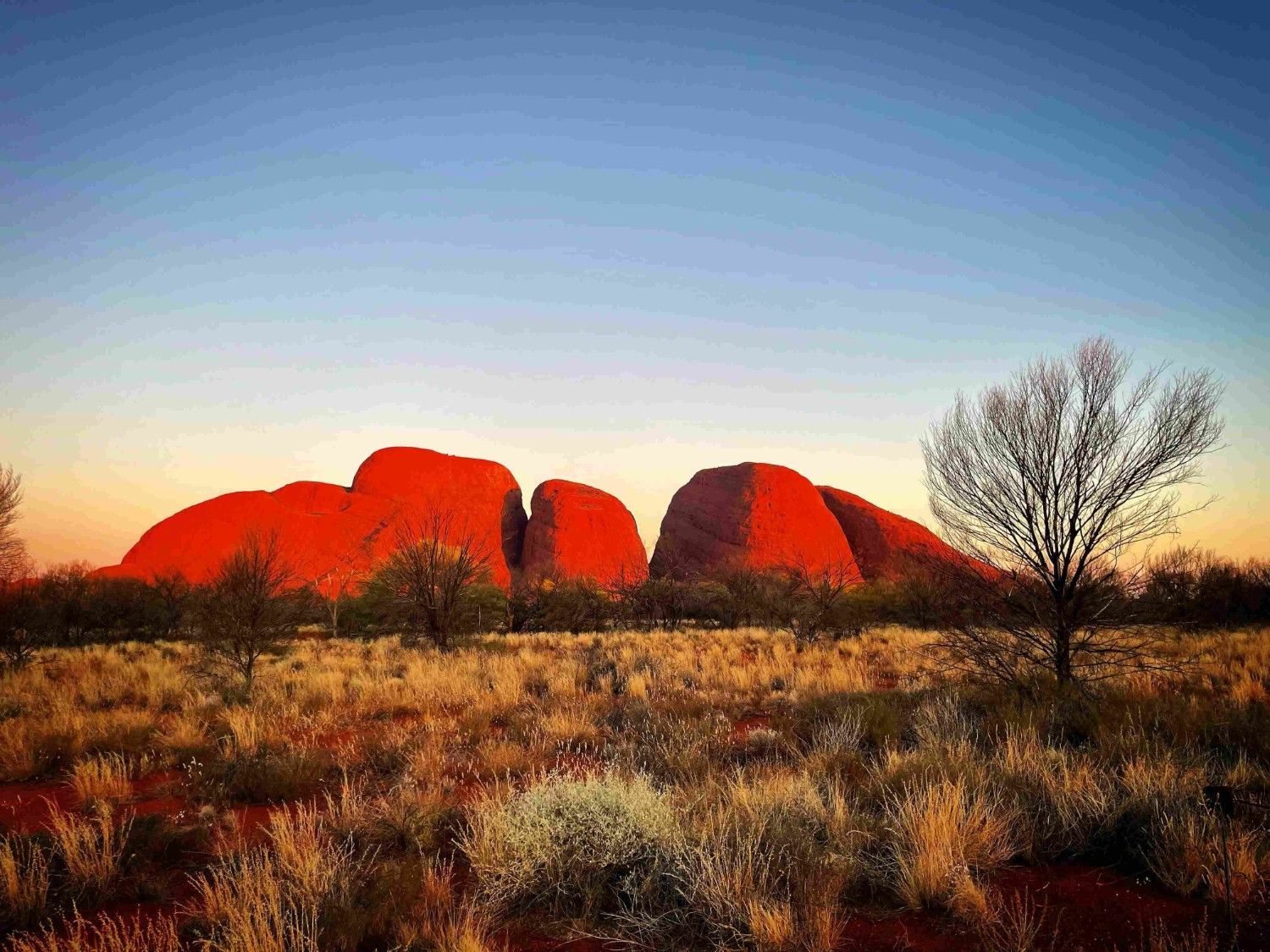
Absolutely. While Uluru is the park's most recognisable landmark, many travellers leave saying Kata Tjuta was just as memorable. Walking between its towering rock domes feels completely different from standing in front of Uluru, making it an experience that's well worth including in your itinerary.
Experience | Why You Shouldn't Miss It |
Explore Kata Tjuta | Discover 36 ancient rock domes spread across the desert landscape |
Walk the Valley of the Winds | One of the park's most rewarding hikes, with spectacular views between the domes |
Visit the Cultural Centre | Learn about Tjukurpa and gain a deeper understanding of the Anangu people's connection to the land before exploring the park |
When Is the Best Time to Visit Uluru?
The best time to visit Uluru depends on what you'd like to experience. Still, for most travellers, April to September offers the most comfortable conditions for sightseeing, walking trails, and outdoor activities.
Season | What to Expect | Best For |
Autumn (Mar-May) | Warm days and cooler evenings | Walking trails, sightseeing, and sunrise views |
Winter (Jun-Aug) | Cold mornings and mild afternoons | Longer walks, Kata Tjuta, and outdoor experiences |
Spring (Sep-Nov) | Pleasant weather with warmer afternoons | Cultural experiences, photography, and sightseeing |
Summer (Dec-Feb) | Very hot days, often above 40°C | Sunrise, sunset, and shorter outdoor activities |
Best Time to Visit Based on Your Travel Style
Travel Style | Best Time to Visit |
Hiking and walking trails | April - September |
Photography | April - May |
Cultural experiences | April - October |
First-time visitors | April - September |
Fewer crowds | March - May and September - November |
Should You Visit Uluru in Summer?
Yes, if that's when you're travelling. You'll simply need to plan your days differently. Start longer walks early in the morning, carry plenty of water, and use the hottest part of the day for indoor experiences such as the Cultural Centre before heading back out later in the afternoon.
How Can You Plan a Holiday to Uluru?
Planning your Uluru holiday is fairly straightforward, but giving yourself enough time makes all the difference. While it's possible to see the highlights in a day, staying for at least two nights gives you enough time to experience both sunrise and sunset, explore Kata Tjuta, walk around the base of Uluru, and enjoy the park without feeling rushed.
Uluru Trip Planning Checklist
Planning Step | What You Should Know |
Getting There | The easiest way to reach Uluru is by flying into Ayers Rock Airport, just outside Yulara. If you're exploring Australia's Red Centre, you can also drive from Alice Springs, which takes around five hours |
Getting Around | Hiring a car gives you the flexibility to explore at your own pace. If you're staying at Ayers Rock Resort, free shuttle services and guided tours are also available |
Park Pass | Entry to Uluru-Kata Tjuta National Park requires a park pass, which is valid for three consecutive days |
Ideal Trip Duration | Plan to spend 2-3 days experiencing Uluru and Kata Tjuta without rushing |
Best Time for Outdoor Activities | Start longer walks early in the morning, especially during the warmer months, and always carry plenty of water |
Tribe Travel Tip: Leave a little flexibility in your itinerary. You may find yourself staying longer at a lookout, spending extra time on the Base Walk, or returning for another sunset because the colours look completely different from the evening before.
What Should You Know Before Visiting Uluru?
A little preparation can make your visit far more enjoyable. From respecting local culture to packing for the desert climate, these simple tips will help you make the most of your time in Uluru-Kata Tjuta National Park.
Before You Go
- Respect areas where photography is restricted and follow all cultural guidance throughout the park.
- Carry a reusable water bottle, especially if you're planning longer walks.
- Wear comfortable walking shoes for the Base Walk and Kata Tjuta trails.
- Pack sunscreen, sunglasses, and a wide-brim hat for protection from the desert sun.
- Bring a light jacket or extra layer for early mornings and evenings, even in the winter.
- Check daily weather conditions and park updates before setting out on longer walks.
Tribe Travel Tip: If your itinerary allows, plan your sunrise and sunset experiences on different days. This gives you more time to explore Uluru-Kata Tjuta National Park during the day while experiencing how dramatically the landscape changes under different light.