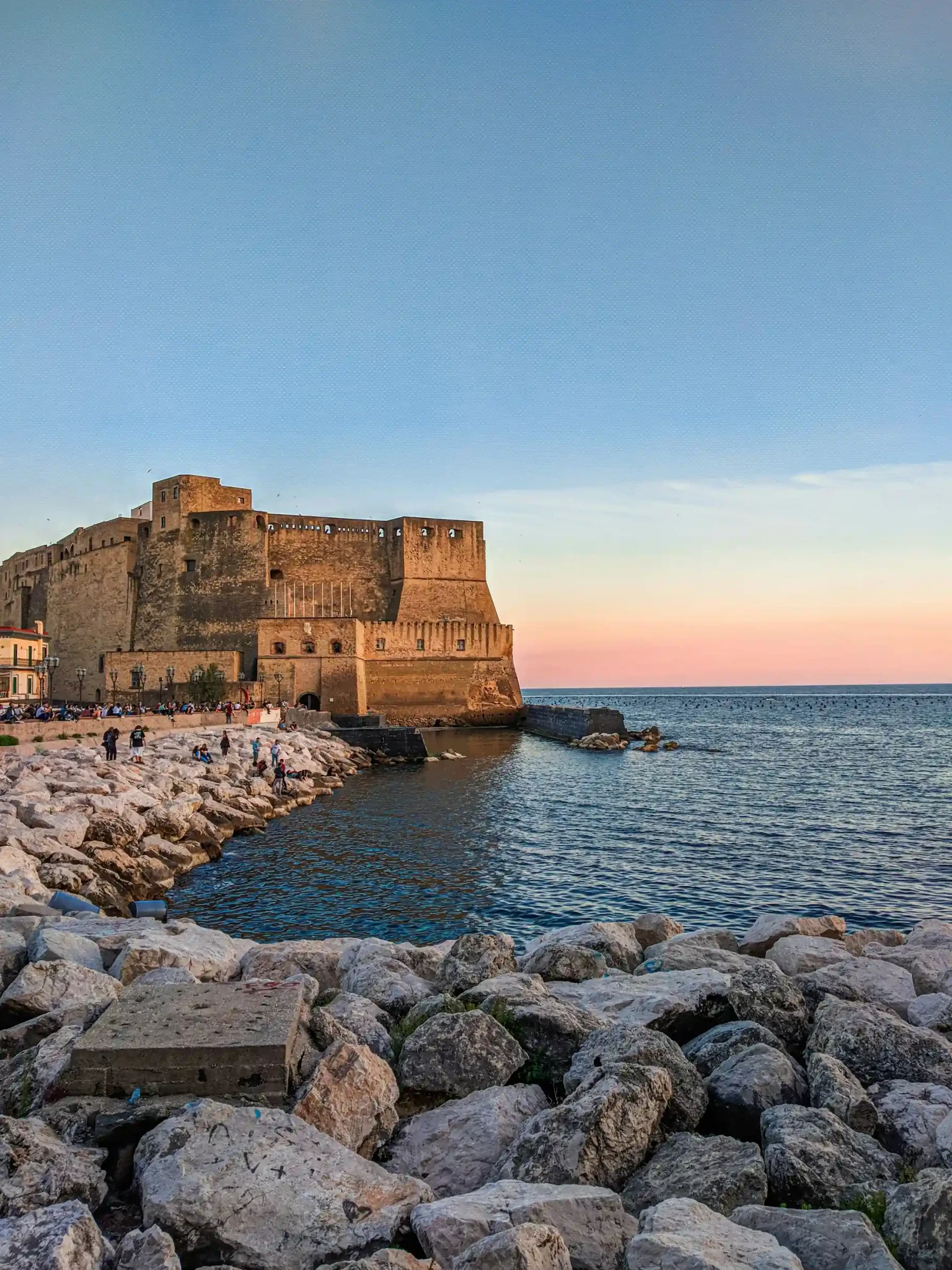


Ask anyone to imagine what Iceland looks like, and you will get different answers: a black sand beach with waves crashing under a green sky, or a glacier lagoon glowing under twenty hours of daylight, and they would all be correct, but at different times of the year. That’s one of the best parts about Iceland: it changes identities every month.
So the real question isn’t what the best time to visit Iceland is; it’s which face of Iceland do you want to experience: sweeping green valleys and endless evenings, or a dark sky lit up in ribbons of colour. This guide walks you through what to expect from Iceland in every season, when you should visit to see the auroras and what Indian travellers should know before booking, so you can plan your visit to Iceland easily.
What Is the Best Time to Visit Iceland?
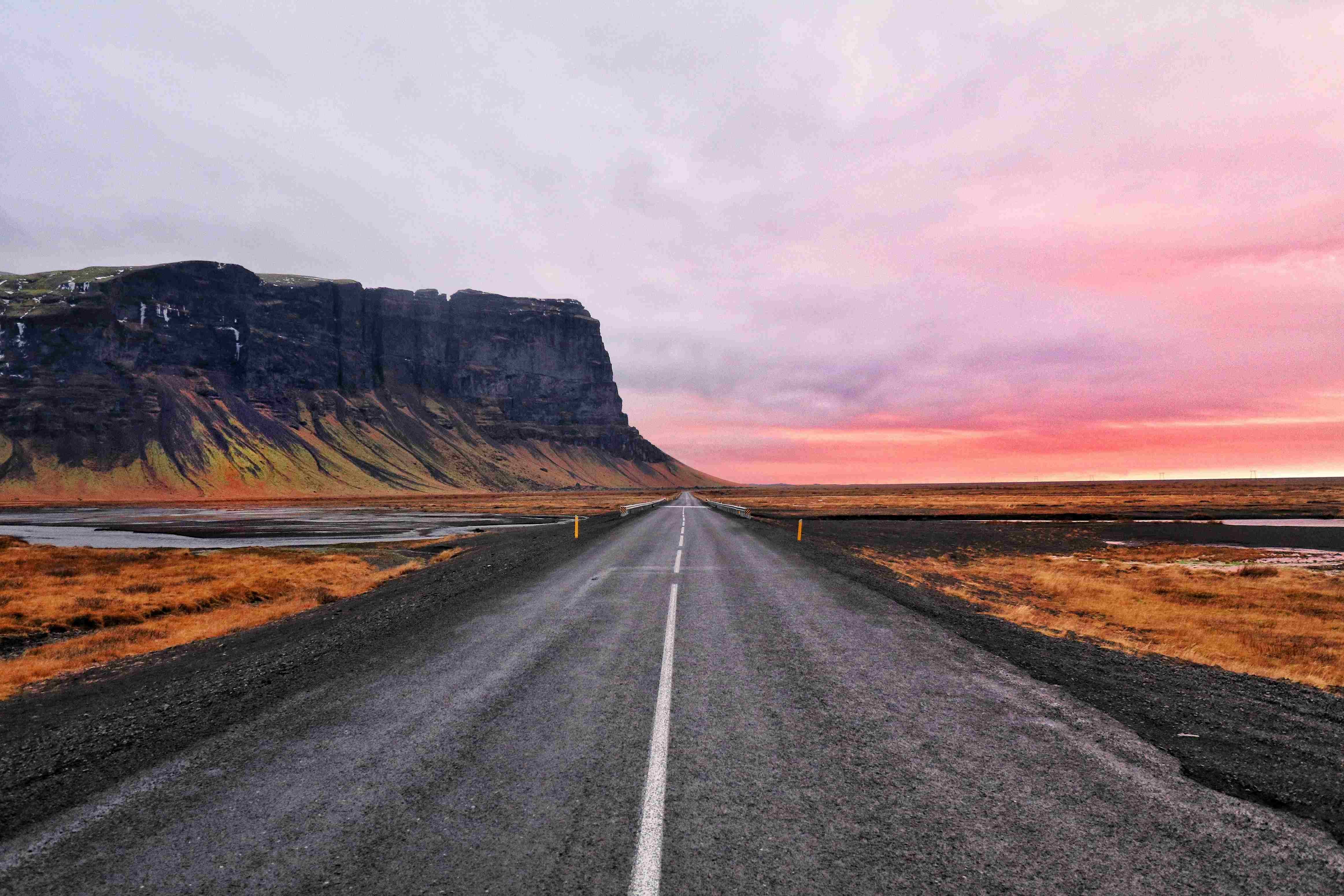 There is no wrong season here, only different versions of the same island. If your heart is set on hiking wide open landscapes under a sky that barely goes dark, June through August is your window. If you would rather chase colour across a black winter sky, the colder months reward you instead. Even the shoulder months, often overlooked in favour of the two extremes, tend to surprise first-time visitors with a comfortable balance of daylight, lower prices, and thinner crowds at the country's best-known stops.
Here is a quick overview before we go deeper:
Season | Months | Weather | Best for |
Summer | June to August | Mild, 10 to 15°C | Midnight sun, hiking, whale watching |
Autumn | September to November | Cool, 5 to 10°C | Aurora season begins, fewer crowds |
Winter | December to February | Cold, often near or below 0°C | Northern lights, ice caves |
Spring | March to May | Cool, 3 to 10°C | Aurora tails off, quiet roads, low prices |
Tribe Travel Tip: If you want a taste of both worlds in one visit, aim for late September or early April. You still get a few hours of proper darkness for aurora hunting alongside milder daytime weather for sightseeing.
What Is the Best Time to Visit Iceland by Season?
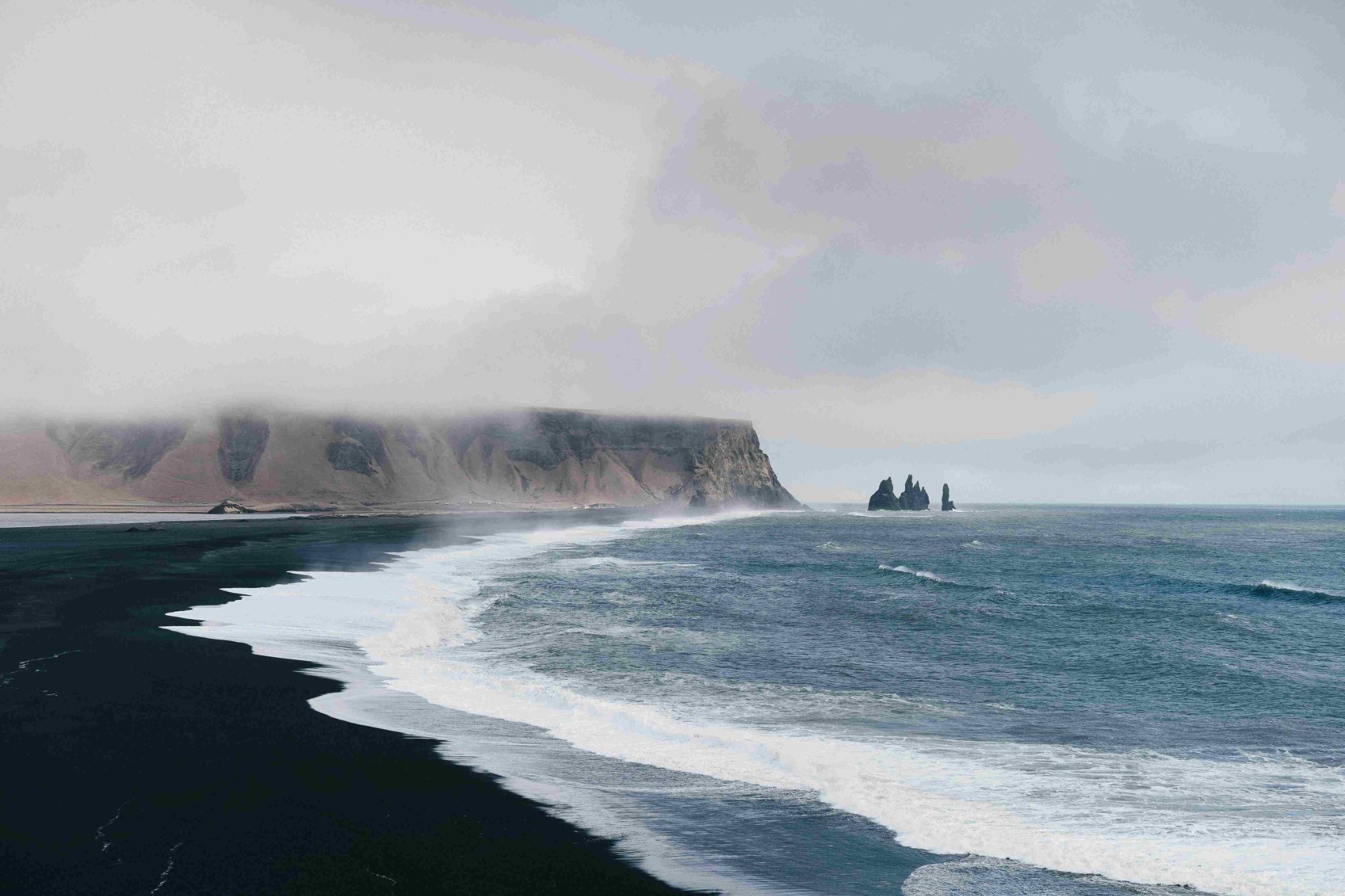 Each season here changes the island so completely that returning visitors often say it feels like a new place every time. Here is what each one actually looks and feels like on the ground.
Summer (June to August)
This really is peak season. In June, you get nearly twenty hours of daylight, the highland roads open up, and the weather is just right for walking. Whale watching tours run every day, waterfalls are full from the melting snow, and puffins nest on the cliffs until mid-August. The downside is that prices go up and the most popular spots, especially along the south coast, get crowded.
Autumn (September to November)
September is usually one of the best months to be there, since the summer crowds disappear, the birch trees in Reykjavik turn gold and, by the third week, the sky is dark enough for the northern lights to reappear. In October the days become shorter, and there is actually a possibility of snow in the highlands. By November proper winter conditions set in.
Winter (December to February)
Winter is cold, dark, and yet quietly magical provided you are ready. At the solstice, December has almost twenty hours of darkness, a duration that may seem extreme but is ideal for searching for the auroras. January is statistically one of the strongest months for aurora activity, even though the skies can still be unsettled, whereas February is often calmer and clearer than the two months before it. It's important to pack several layers because the wind chill can be more severe than the actual temperature indicates.
Spring (March to May)
Spring is an overlooked stretch of the year.. During March, aurora activity remains strong because of the spring equinox; in April the first wildflowers appear and the afternoons become longer, and by May the days have already passed sixteen hours. The roads reopen bit by bit, the prices at hotels drop, and you end up with a rare combination of winter scenery giving way to early summer green.
What Is the Best Time to Visit Iceland for Northern Lights?
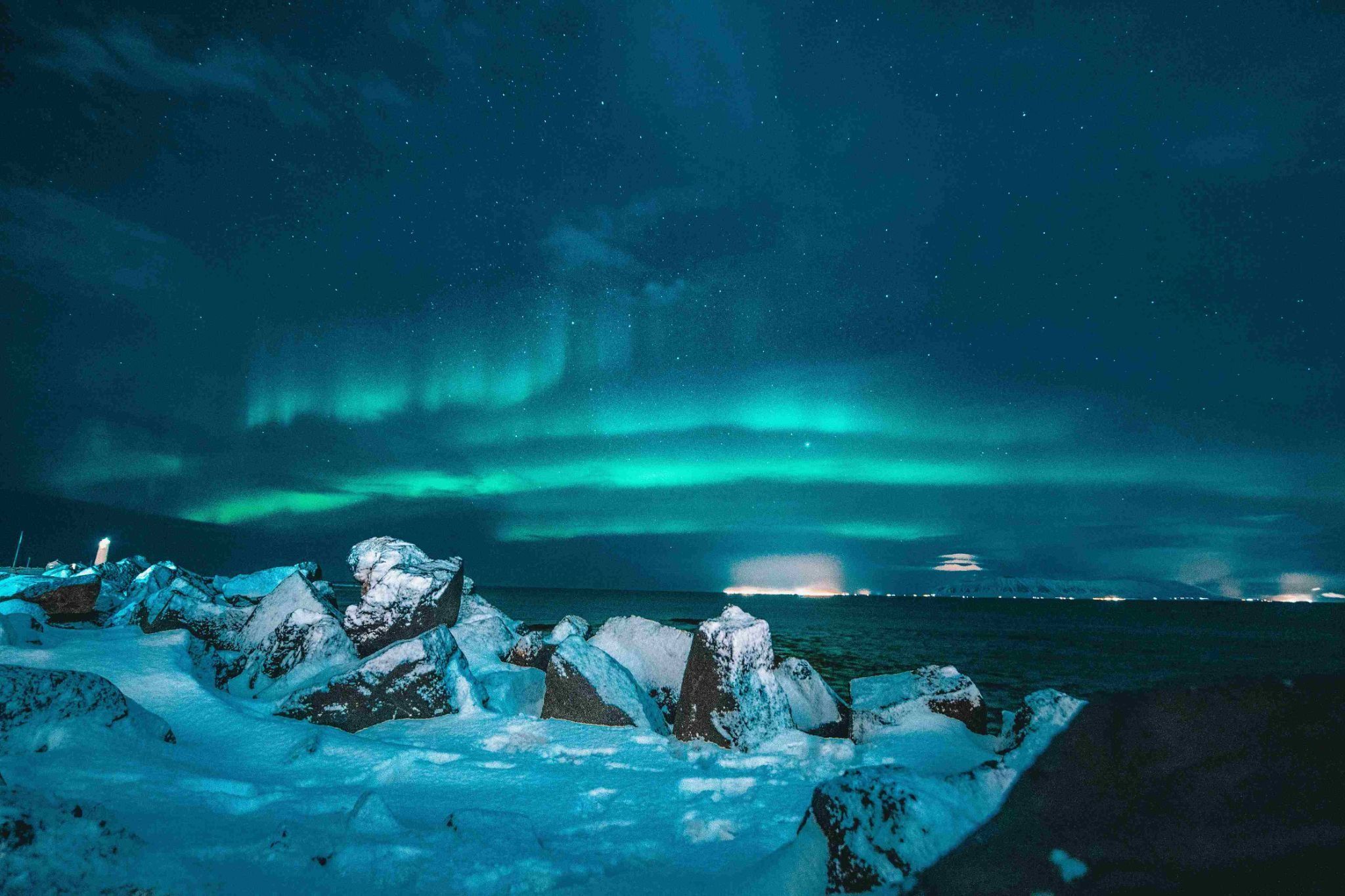 Aurora hunters have a fairly wide window to work with, roughly late September through early April, once the summer's midnight sun has faded and the nights turn properly dark again. Three things need to line up: darkness, clear skies, and enough solar activity, measured on what is called the Kp index. Once you narrow down the best time to visit Iceland for northern lights to a few weeks, the rest comes down to picking a base away from city lights.
A few points worth knowing before you plan around this:
- November to January give you the longest dark windows, close to twenty hours around the solstice, though weather tends to be stormier
- February and March are often considered the sweet spot, since skies are typically clearer and the spring equinox brings a genuine boost in activity
- A Kp reading of 2 or 3 is usually enough for a good show here, so there is no need to chase a high forecast
- The hours around midnight, roughly 11 pm to 1 am, give you the best odds
- June and July are ruled out entirely, since the sky never gets dark enough during the midnight sun
Tribe Travel Tip: Drive at least twenty minutes outside Reykjavik to escape the city glow. Even a short detour toward Þingvellir makes a noticeable difference to what you can see.
What Is the Best Time to Visit Iceland for Whale Watching?
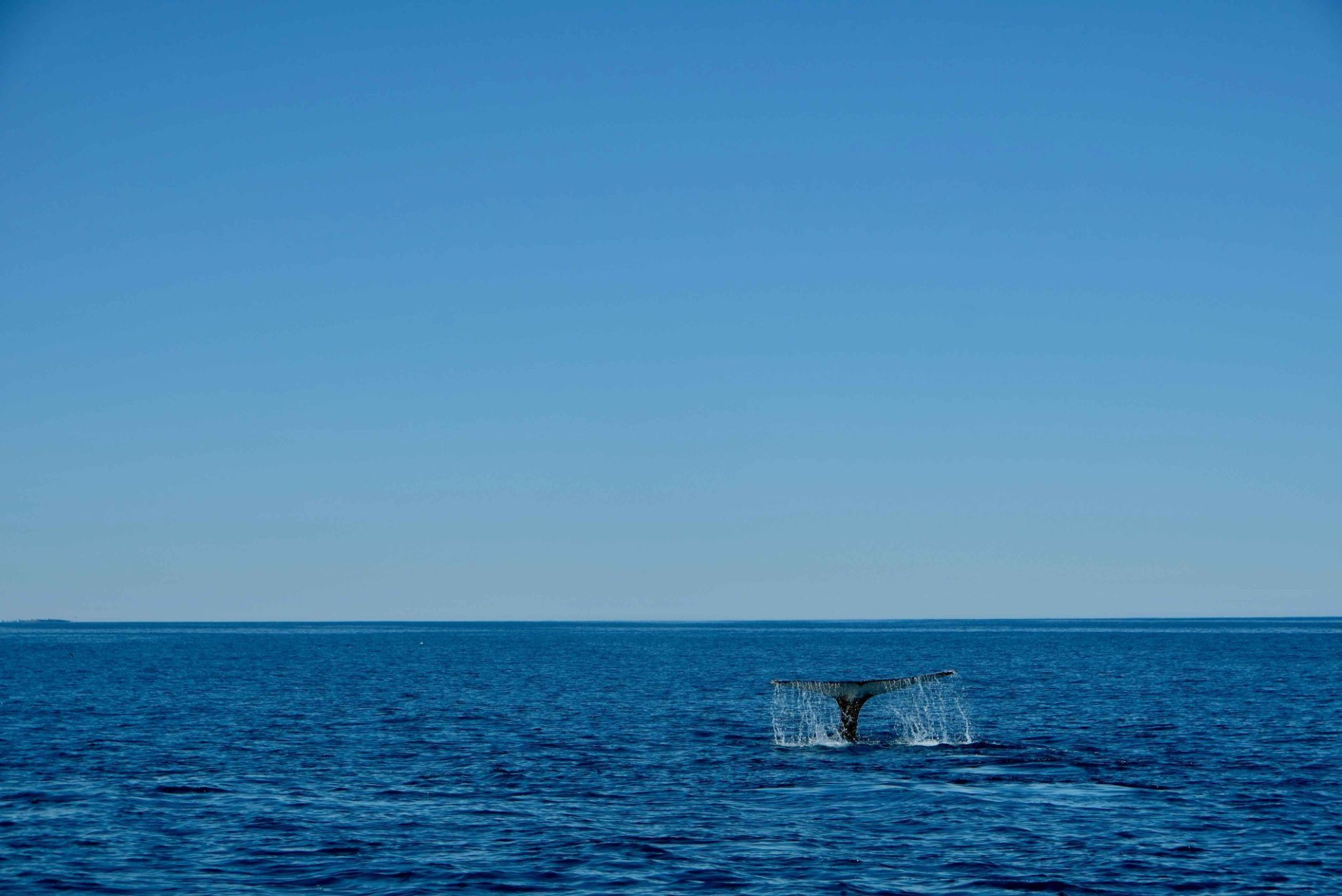 If you want to see marine life, the best time is from April to October. June to August is the peak season for both the number and variety of whales. Most tour operators say that Iceland’s longest and calmest days are ideal for whale watching.
Months | What to Expect |
April to May | Season opens, humpbacks and minke whales return to feed |
June to August | Peak season, calmest seas, highest chance of blue and fin whales |
September to October | Tours wind down, still strong sightings from Husavik and Reykjavik |
November to March | Fewer tours, but orcas gather near Snaefellsnes to follow herring |
Husavik in the north is often called the whale-watching capital of Europe for good reason, with near-constant sightings through summer. If you are visiting outside the warmer months, Snaefellsnes becomes the better bet, since orcas follow herring shoals into its fjords right through winter.
What Is the Best Time to Visit Iceland for a Honeymoon?
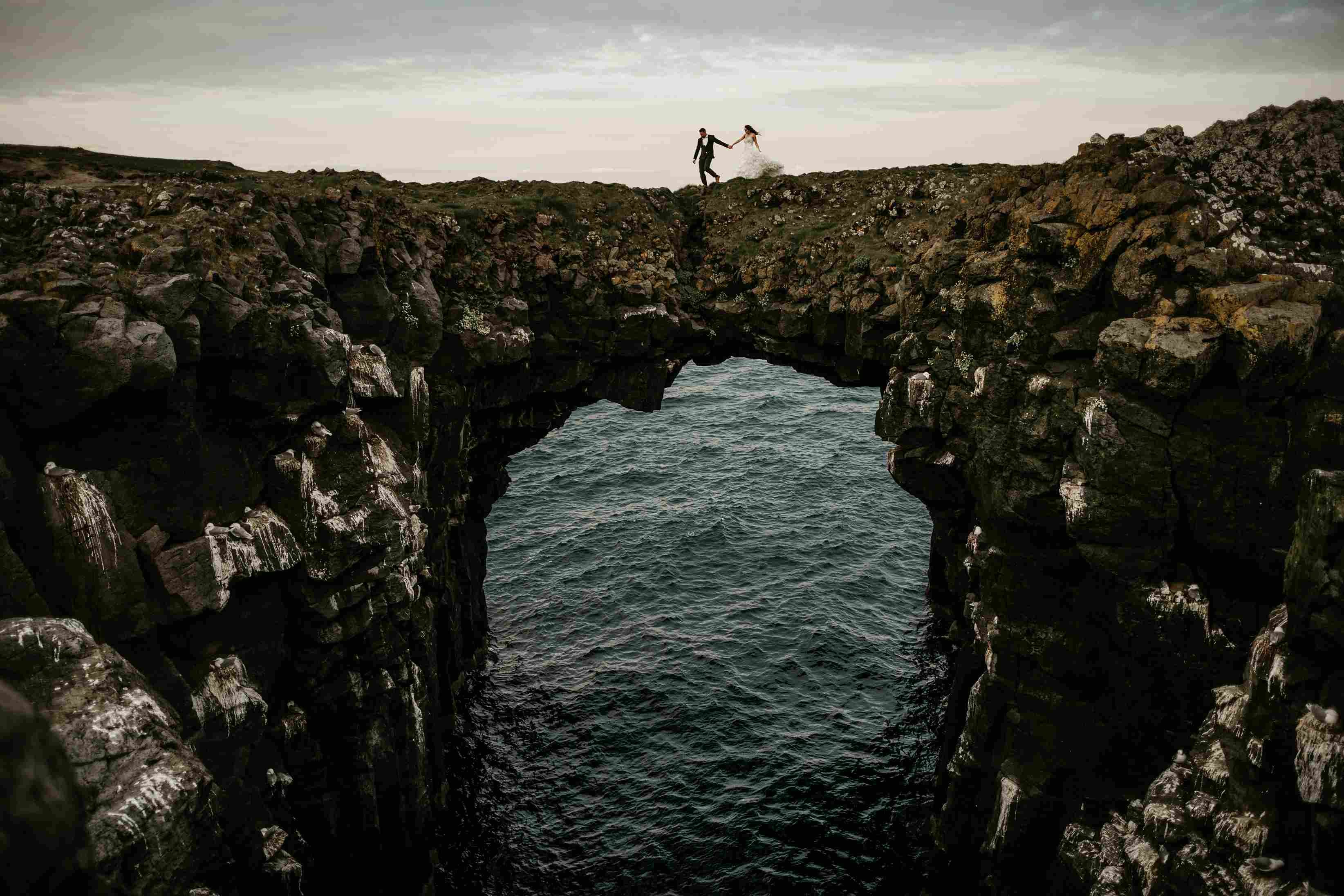 Choosing when to go really comes down to which version of romantic you are picturing, since Iceland has more than one. Couples who want long golden evenings and easy road access lean one way, while those chasing the aurora above a glacier lagoon lean another. Here is how the options for the best time to visit Iceland for honeymoon plans break down:
- June to mid-July: long golden evenings, easy road access, and the novelty of watching the sun barely dip below the horizon together at midnight
- Late January to March: the aurora unfolding above a glacier lagoon, followed by a soak in a geothermal lagoon under the stars, is hard to top for a honeymoon memory, and February and March also bring calmer skies than deep winter
- May and September: a middle ground with fewer crowds at honeymoon-favourite spots like the Blue Lagoon and Jokulsarlon, along with more reasonable hotel rates and smaller guesthouses along the south coast that fill up fast during the two peak windows on either side
Which Months Should You Avoid in Iceland?
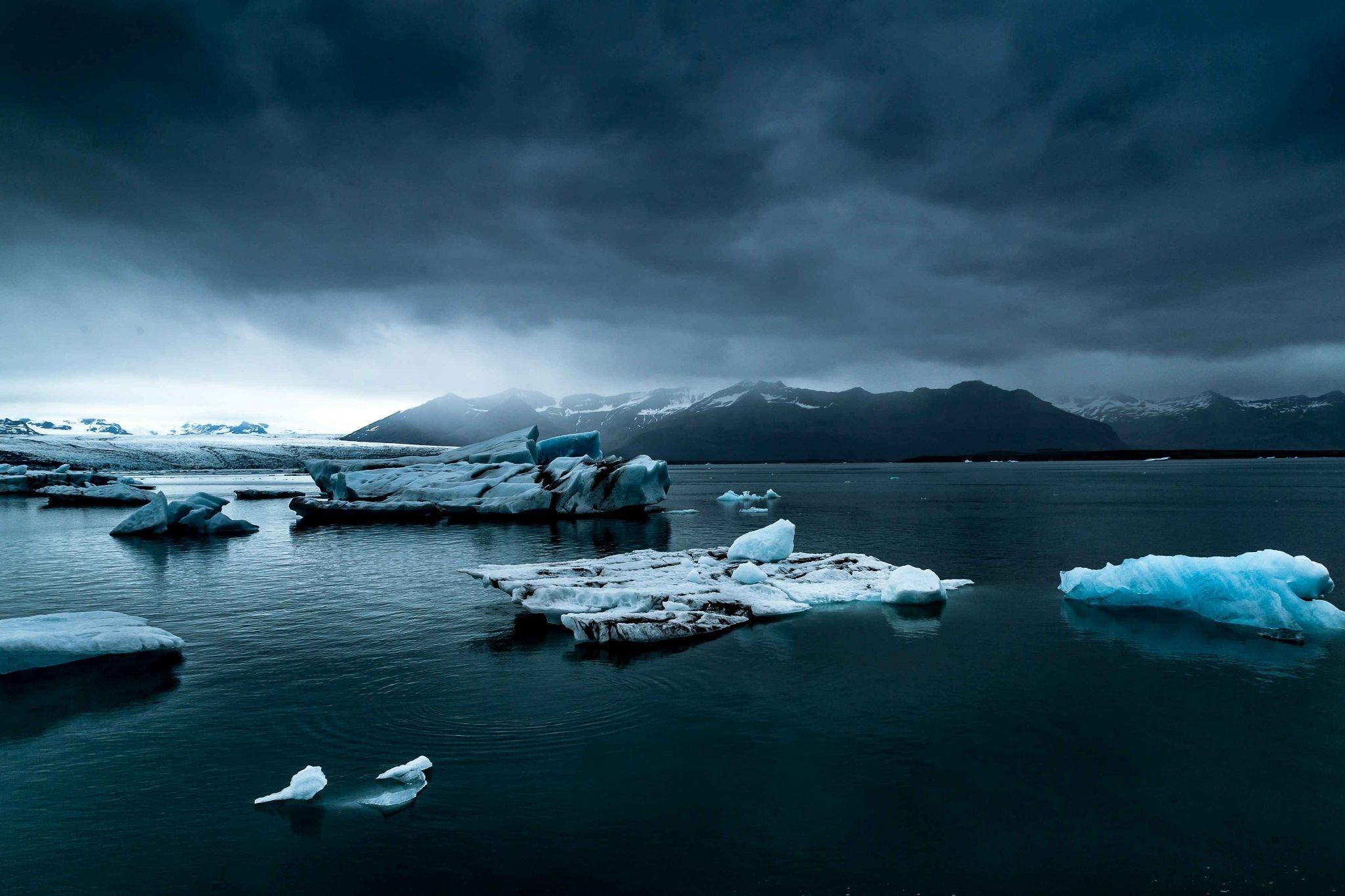 No month here is truly bad, but a few stretches ask for more patience than others:
- Late October to early December often brings the least predictable weather, with grey skies and little of winter's aurora payoff or summer's daylight
- Peak July can feel crowded at popular stops like the Golden Circle and Skogafoss , especially around midday
- Deep winter, particularly late January, sees the harshest storms and occasional road closures in remote regions
If your dates are flexible, shifting even by two or three weeks into a shoulder month often solves most of these issues.
What Is the Best Time to Visit Iceland from India?
Planning from India adds a few extra layers beyond the weather. There are no direct flights connecting India and Iceland, so you will usually route through a hub like Doha, Istanbul, or a European city, with total travel time landing somewhere between fourteen and eighteen hours depending on the layover.
A few practical points worth keeping in mind:
- Visa: Indian passport holders need a Schengen short-stay visa before flying, since Iceland offers no visa-on-arrival option. This falls under the vacation visa category, and applications typically open around six months before travel. Ideally, apply four to six weeks ahead, especially for the busier March to June window.
- Season: June to August remains the easiest entry point for first-time visitors from India, since the milder weather feels closer to what you are used to, while September and February through March suit anyone chasing the northern lights
- Flight timing: fares tend to dip when booked six to eight weeks in advance, and midweek departures are usually the better value
- First-timers: if a winter escape feels like a big jump, spring or early autumn offers a gentler way into colder weather travel
The best time to visit Iceland from India depends on how much cold you can handle and whether you want to see green valleys or colourful skies. It’s a good idea to plan a rest day at the start to recover from the long journey before you begin sightseeing.
Conclusion
Iceland is everything you could imagine it to be: summer gives you endless daylight and open roads, autumn wraps the island in colour, winter lights up that same sky in green and violet, and spring bridges the two halves of the year. Pick what you want to experience most, pack accordingly, and you’re all set for a memorable adventure.
If you would rather skip the hassle of planning, Holiday Tribe offers customised Europe travel packages that cover itineraries, stays, transfers and optional flight and visa assistance. Get in touch to book your vacation today.