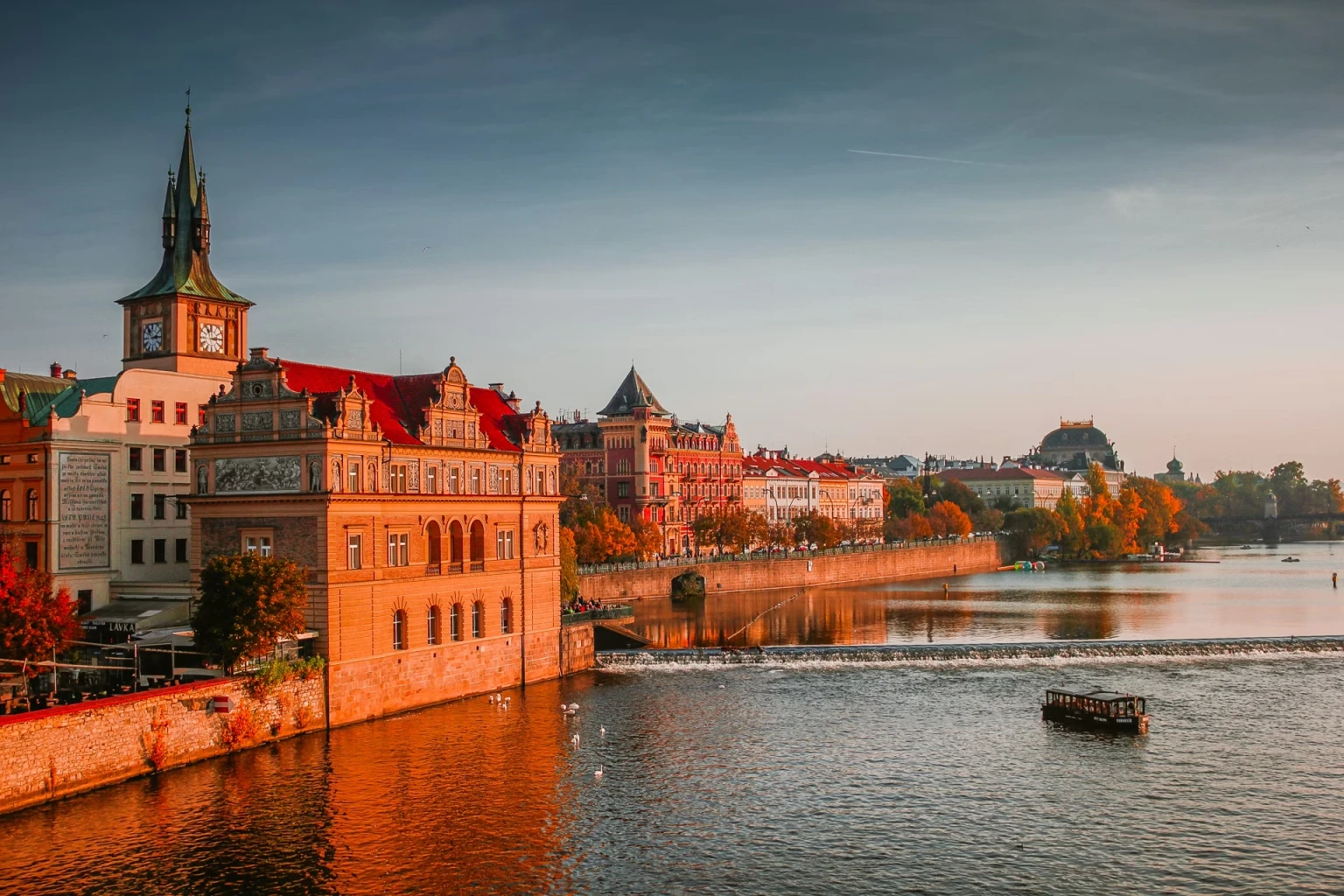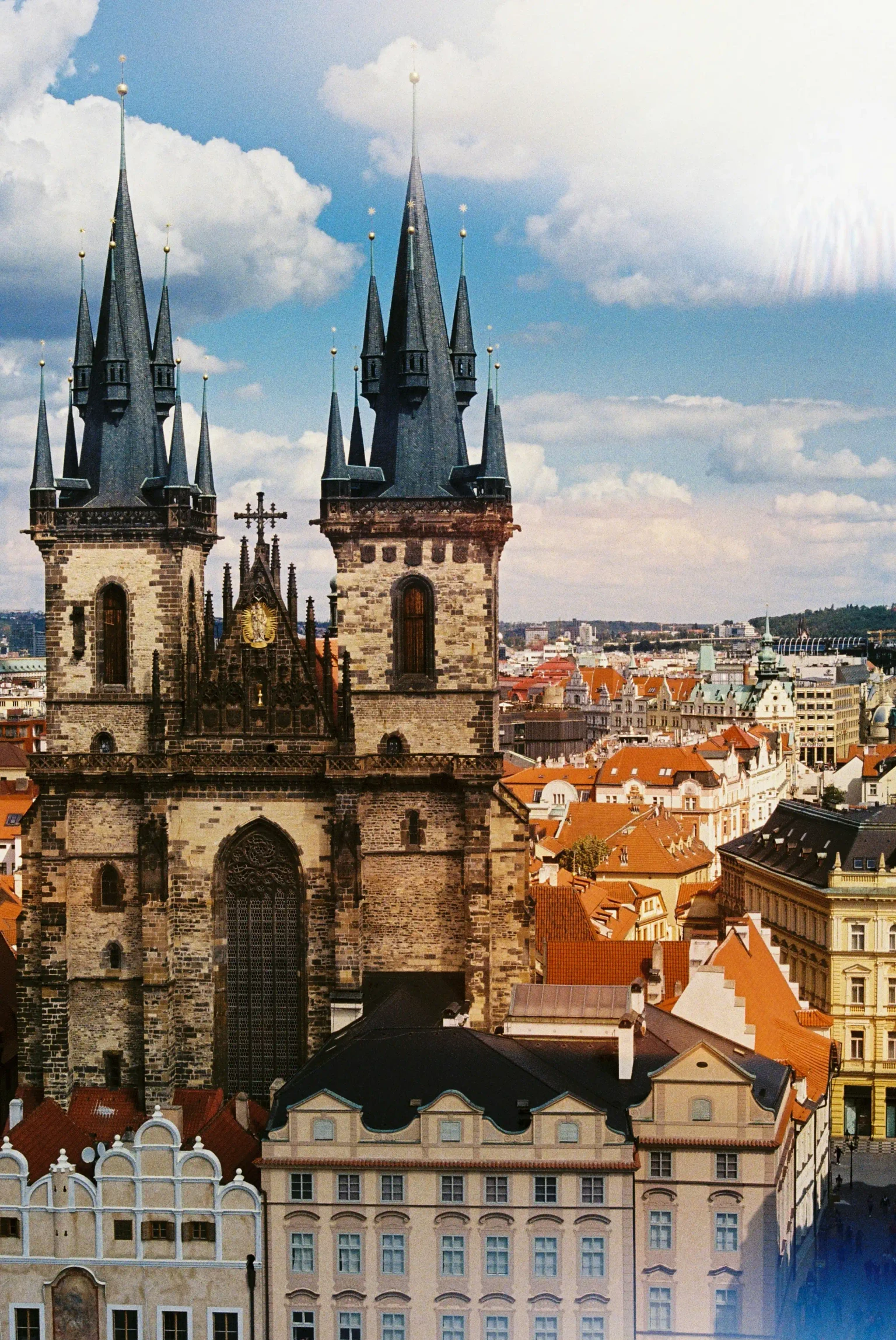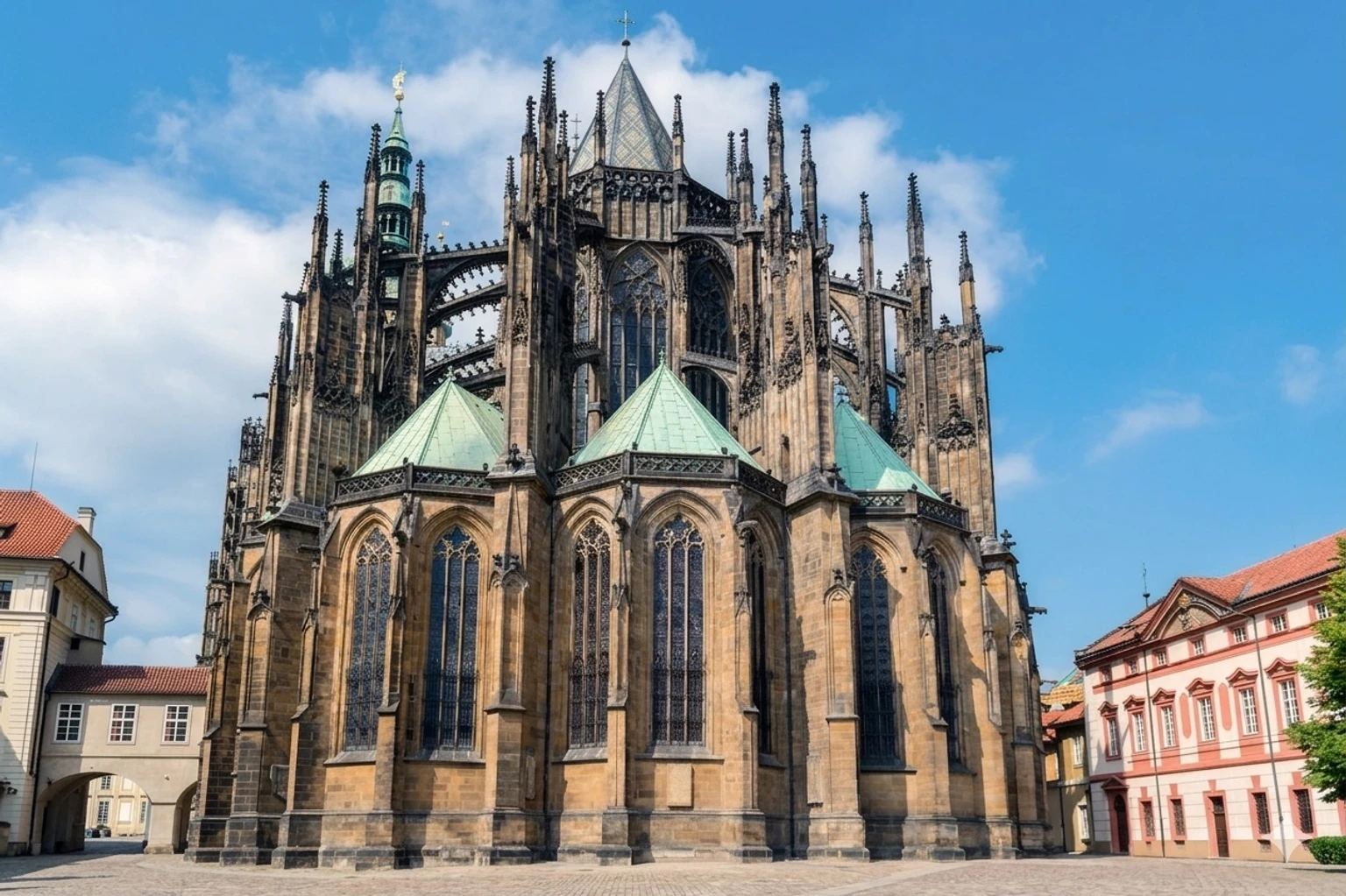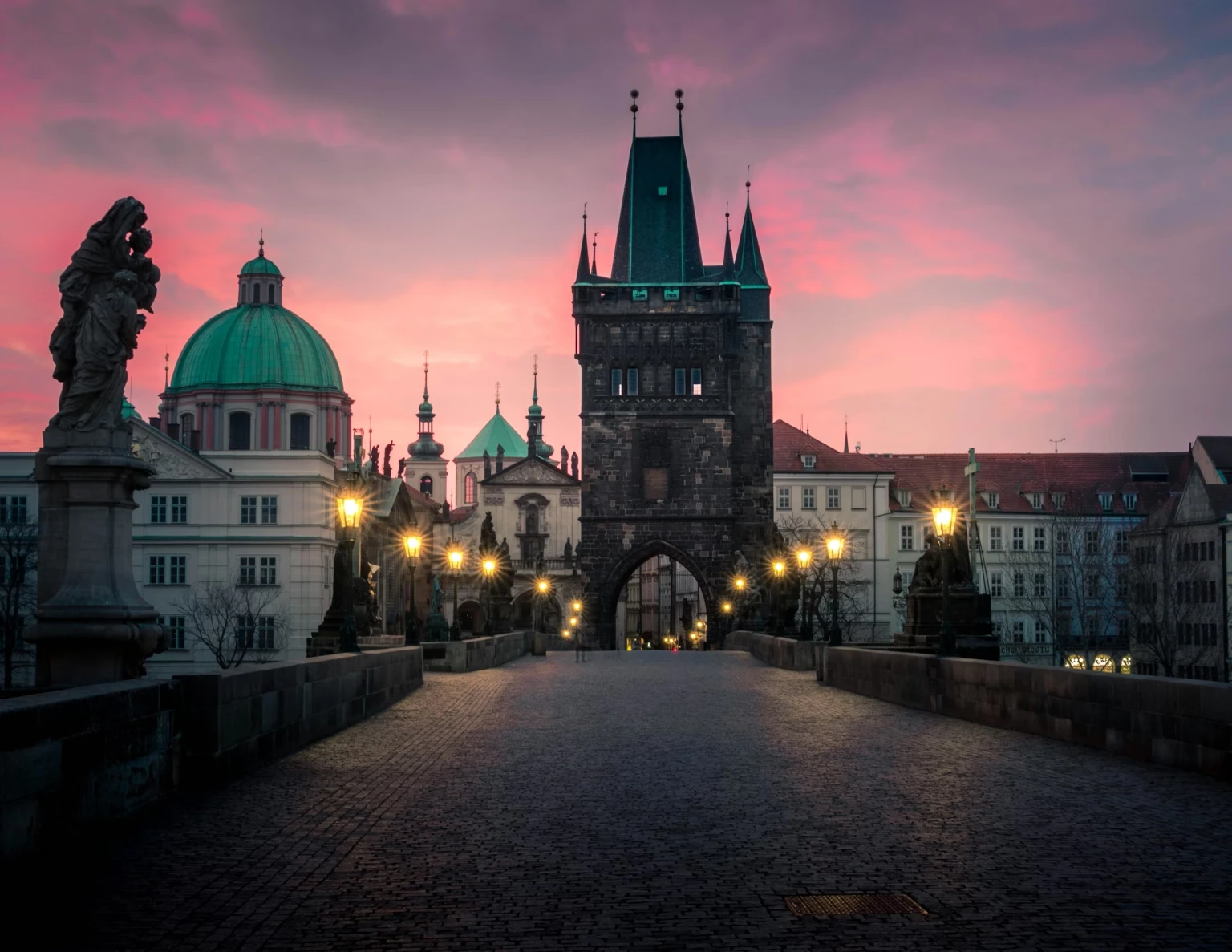


Are you sure Europe is just Paris, Rome, and Santorini?
While everyone is fighting for a table in the same cafes and queuing for the same sunsets, Czechia has been sitting right there. Over 2,000 castles, three UNESCO World Heritage cities, a brewing culture that predates most European nations, and a capital so architecturally intact it feels almost unfair to the rest of the continent.
Czechia is here, it’s beautiful, and can’t wait for you to visit it. And, if you are planning your first visit soon, this Czechia travel guide has everything you need to know before you land. Let’s begin with some essentials to prepare you for your holiday there!
Things to Know Before Visiting Czechia
Visiting a new destination without knowing the essentials can easily catch first-time travellers off guard, so here are a few important things worth knowing before you go-
- Currency is not the Euro: Czechia is in the EU but uses the Czech koruna (CZK). Some places in central Prague list prices in euros, but the exchange rate applied is always poor. Paying in koruna wherever possible will save you money.
- English is widely spoken in Prague, but less so outside the capital: A few basic Czech phrases- ‘Dobrý den’ (good morning/good day), ‘Děkuji’ (thank you), and ‘Prosím’ (please)- go a long way.
- Tipping is customary, not mandatory: Rounding up the bill or leaving about 10% is the norm for good service in restaurants; in pubs and cafes, rounding up is also common. Cash tips are generally preferred over cards.
- Public toilets are almost always paid: Typically 15 to 30 CZK. Always carry small change to save the inconvenience.
Best Time to Visit Czech Republic
Season | What to Expect |
Spring (Apr-Jun) | Mild temperatures, green countryside, manageable crowds (is basically the ideal time to visit) |
Summer (Jul-Aug) | Warmest weather, liveliest atmosphere, highest crowds and prices |
Autumn (Sep-Oct) | Comfortable temperatures, fewer tourists, excellent for city and nature trips, ideal time to visit |
Winter (Nov-Feb) | Cold but atmospheric, Prague Christmas markets in December, quietest and most affordable after the holidays |
Spring and early autumn are generally considered the best times to visit the Czechia. The weather is comfortable, the landscapes are at their most appealing side, and the major sites are busy but not overwhelming.
Summer is the peak season. Prague in particular fills up quickly in July and August, and accommodation prices reflect that. Winter, on the other hand, is quieter and more affordable, with December offering some of the best Christmas market atmospheres in Europe.
Czechia Food & Cultural Etiquette
Following are some must-try traditional Czech foods-
1. Vepřo-knedlo-zelo (Pronunciation- Vep-roh kneh-dloh zeh-loh)
Roast pork served with bread dumplings and sauerkraut, considered the national dish.
2. Svíčková na smetaně (Pronunciation- Svee-ch-koh-vah nah smeh-tah-nyeh)
Beef sirloin in a creamy root vegetable sauce, often garnished with cranberries and served with dumplings.
3.Bramboráky (Pronunciation- Brahm-boh-rah-kee)
Crispy potato pancakes flavoured with marjoram and garlic, typically enjoyed as a snack or side dish.
4. Koláče (Pronunciation- Koh-lah-cheh )
Traditional pastries filled with various ingredients like fruits, cheese, or poppy seeds.
5. Guláš (Pronunciation- Goo-lahsh)
Hearty beef stew seasoned with paprika, often paired with bread or dumplings.
Additional Note on Cultural Etiquette
- Social Interaction: Engage with locals by greeting and wishing them well; this fosters a welcoming atmosphere.
- Respect personal space: Especially in social settings, as Czechs value a moderate distance.
- Dress Code: Dress smartly for social and dining occasions; casual attire may be acceptable in some settings but staying presentable is appreciated.
- Conversation: Topics such as politics and personal finances may be sensitive; focus on lighter subjects or cultural interests when initiating conversations.
Places to Visit Beyond Prague in Czechia
Český Krumlov (South Bohemia)
- Distance: 170 km south of Prague
- Travel Time: About 2 hours by bus or train
- Attractions: UNESCO World Heritage site, winding Vltava River, State Castle, and Cloak Bridge.
Kutná Hora (Central Bohemia)
- Distance: 65 km east of Prague
- Travel Time: About 1 hour by train
- Attractions: Sedlec Ossuary (Bone Church) and St. Barbara’s Church.
Brno (South Moravia)
- Distance: 200 km southeast of Prague
- Travel Time: Approximately 2-2.5 hours by direct train
- Attractions: Špilberk Castle, underground tunnels, Villa Tugendhat (UNESCO site).
Karlovy Vary (West Bohemia)
- Distance: 125 km west of Prague
- Travel Time: About 2 hours by bus or train
- Attractions: Spa town with mineral hot springs, Rococo colonnades, and thermal springs tasting.
Mikulov (South Moravia)
- Distance: About 50 km south from Brno
- Travel Time: Varies by train or car
- Attractions: Mikulov Castle, Holy Hill, and surrounding vineyards.
Bohemian Switzerland National Park (Severní Čechy)
- Distance: 130 km north of Prague
- Travel Time: By car or train to Děčín, then local bus
- Attractions: Pravčická brána (largest sandstone arch in Europe) and scenic hiking trails.
Czechia Visa and Entry Rules
Czechia is part of the Schengen Area, which sets unified entry rules for most visitors. Understanding the visa process and the upcoming new regulations will help you prepare effectively.
Nationality | Entry Rule |
US, UK, Canada, Australia, most EU countries | Visa-free for up to 90 days in any 180-day period |
India and most non-Schengen nationals | Short-stay Type C Schengen visa required |
Visa applications for Indian citizens and other visa-required travellers must be submitted in person at a Czech Embassy or authorised VFS Global centre. Applications can be submitted between six months before travel and 15 days before departure. Processing usually takes 15 calendar days, but may extend up to 45 days in some cases. As appointment slots fill quickly during peak seasons, applying two to three months in advance is recommended.
Documents you will typically need for your visit to the Czech Republic:
- Valid passport issued within 10 years and with at least three months' validity beyond your departure date
- Two blank pages in your passport
- Two recent passport-sized photographs
- Travel insurance with a minimum of 30,000 euros of Schengen coverage
- Proof of accommodation and return flights
- Proof of financial means
- Employer letter or proof of ties to your home country
Getting Around Czechia
Getting around Czechia is simple, affordable, and well organised. For Indian travellers used to navigating busy cities, the public transport system here is a genuine pleasure to use once you understand how it works.
No. of days to travel within Czechia
- Short Stay (3-5 Days):
- Focus: Primarily on Prague.
- Activities: Visit Old Town, Charles Bridge, and Prague Castle; consider one or two half-day trips (e.g., Karlštejn Castle).
- Classic Route (7 Days):
- Focus: Prague, South Bohemia and South Moravia.
- Breakdown: 3-4 days in Prague, plus visits to Český Krumlov and Karlovy Vary ; 2 days in Brno and South Moravia
- In-Depth Tour (10-14 Days):
- Focus: Comprehensive exploration.
- Destinations: Includes Prague, Cesky Krumlov, Brno & South Moravia wine region, Karlovy Vary, Olomouc, and more.
Public Transport in Prague and Czechia
Prague's metro, trams, and buses run as one integrated network under a single ticket. Here is what to know before you board.
One rule above all others: Every ticket must be validated in the yellow machines before travel, not just purchased. Travelling unvalidated, even with a valid ticket, carries a fine of around 1,500-2,000 CZK.
Tickets are available at metro station machines, Trafika newsagent kiosks, or through the PID Lítačka app. For longer stays, a 24-hour or 72-hour pass is better value than buying single tickets each time.
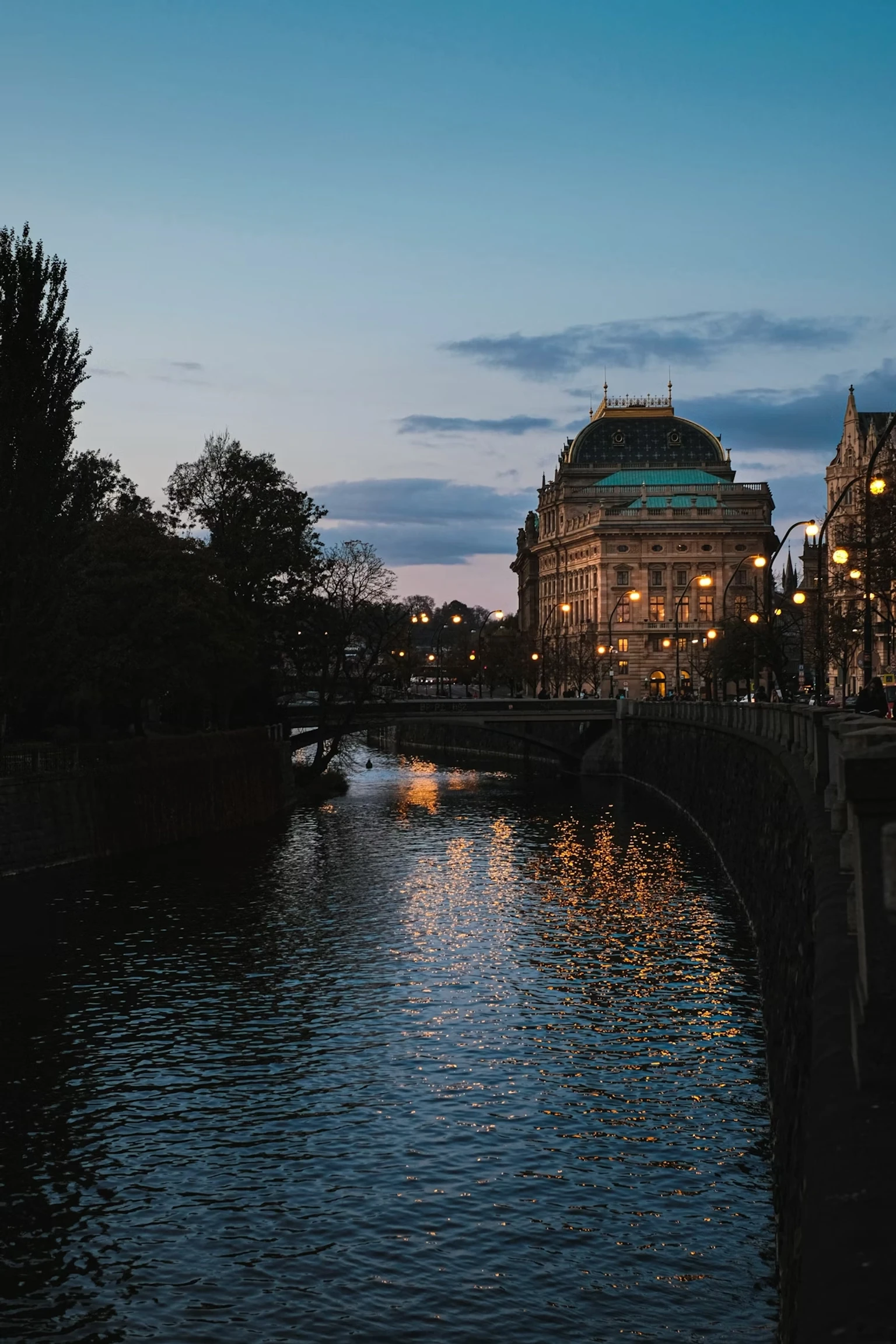
The tram network fills in where the metro does not reach. Tram 22 is one of Prague’s most scenic routes and passes major landmarks including Prague Castle, Malostranka and the National Theatre and is worth taking on your first day simply to get your bearings.
For travel between cities, RegioJet and FlixBus are reliable and affordable for intercity routes and day trips. Czech Railways is the more comfortable choice for longer journeys.
Taxis and Ride Hailing
Getting around Prague is easiest with apps like Bolt or Liftago, which show fares upfront, are easy to find across the city, and are usually more convenient for travellers than hailing taxis directly on the street. If you do take a street taxi, confirming the fare beforehand is always a good idea.
Czech Currency and Money Tips for Indian Travellers
Tip | What To Do |
Where to withdraw | ATMs attached to Komerční Banka, Česká Spořitelna, UniCredit, Raiffeisenbank |
ATMs to avoid | Euronet machines, common near tourist sites, known for high fees |
Dynamic currency conversion | Always decline if prompted, the rate is always worse |
Exchange offices | Use bank branches or established bureaux, never street kiosks near tourist spots |
Carrying cash | Always have some koruna for small purchases, public toilets, tips, and local markets |
For the best exchange rates in Prague, many travellers prefer using a travel-friendly debit or forex card to withdraw Czech koruna directly from local bank ATMs instead of converting through multiple currencies beforehand.
Cards are widely accepted in hotels, most restaurants, and larger shops in Prague. In smaller towns, local markets, and traditional pubs, cash is more common. A mix of card and cash works best throughout the trip.
Is Czechia Safe for Indian Tourists?
Yes. Czechia is widely regarded as one of the safest destinations in Europe for international travellers, including visitors from India. Violent crime is rare and the country is generally safe for sightseeing, public transport and independent travel
Still, here are some practical steps to avoid any mishap:
- Keep valuables in front pockets or a secure crossbody bag.
- Be alert around street performances and in crowded spots.
- Use Bolt or Liftago rather than street taxis.
- Use bank-branch ATMs rather than standalone street machines.
- Avoid exchange kiosks near major tourist attractions.
Indian solo travellers and women travelling alone generally report feeling safe throughout the country. Standard awareness applies, particularly late at night around bars and nightlife areas.