


Ladakh’s synonymous with desert sands, snow peaks, and giant Buddha statues, and Diskit fits that description perfectly. Known as the headquarters of Nubra Valley, Diskit is famous for its monastery, the colossal Buddha statue, and its great connectivity to some of Ladakh's most iconic stops. Whether you want to relax after the climb over Khardung La or explore Nubra Valley, Diskit is a must-visit. Here’s everything you need to know about the town to add it to your plans.
What Makes Diskit Such an Essential Stop in Ladakh?
Diskit, Ladakh, sits at around 10,310 feet, making it noticeably milder than Leh once you have crossed the pass to reach it. It is the largest and one of the oldest settlements in Nubra Valley and serves as the region's headquarters, so it has more facilities than most nearby villages, including a market, a hospital, and a petrol pump.
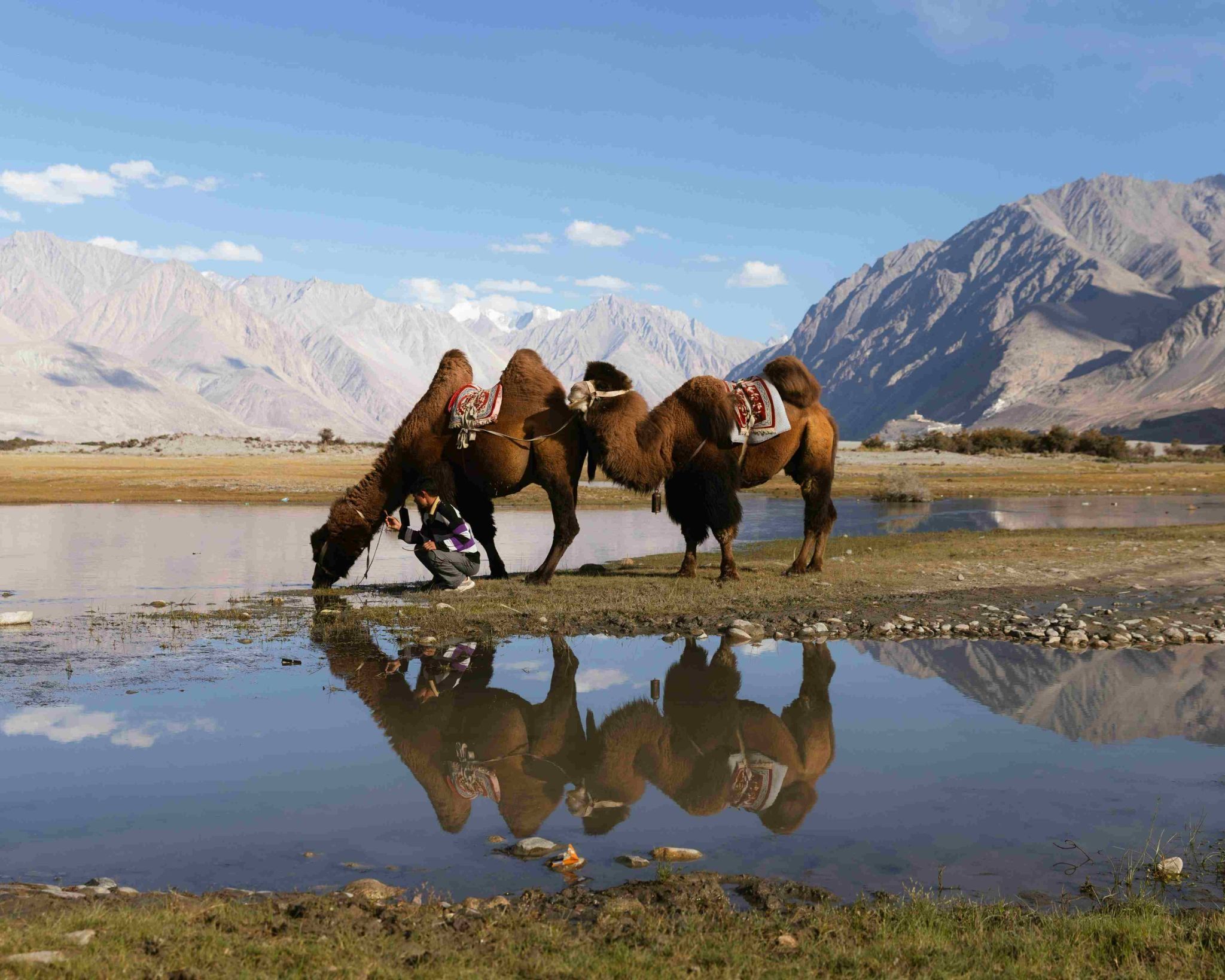
What makes it special is the contrast it offers. On one side, apricot orchards and willow trees line the road. On the other, dunes roll out toward the Shyok River, with Bactrian camels wandering across them. Above it all sits a centuries-old monastery watching over the valley.
- Largest village in Nubra Valley and its administrative centre
- Milder climate than Leh due to lower elevation
- A natural base for exploring Hunder, Turtuk and the Shyok route to Pangong
Tribe Travel Tip: Spend at least one night in Diskit rather than rushing through on a day trip. The valley's colours change a lot at sunset, and you would not want to miss that from a moving vehicle.
What Is the Weather Like in Diskit Through the Year?
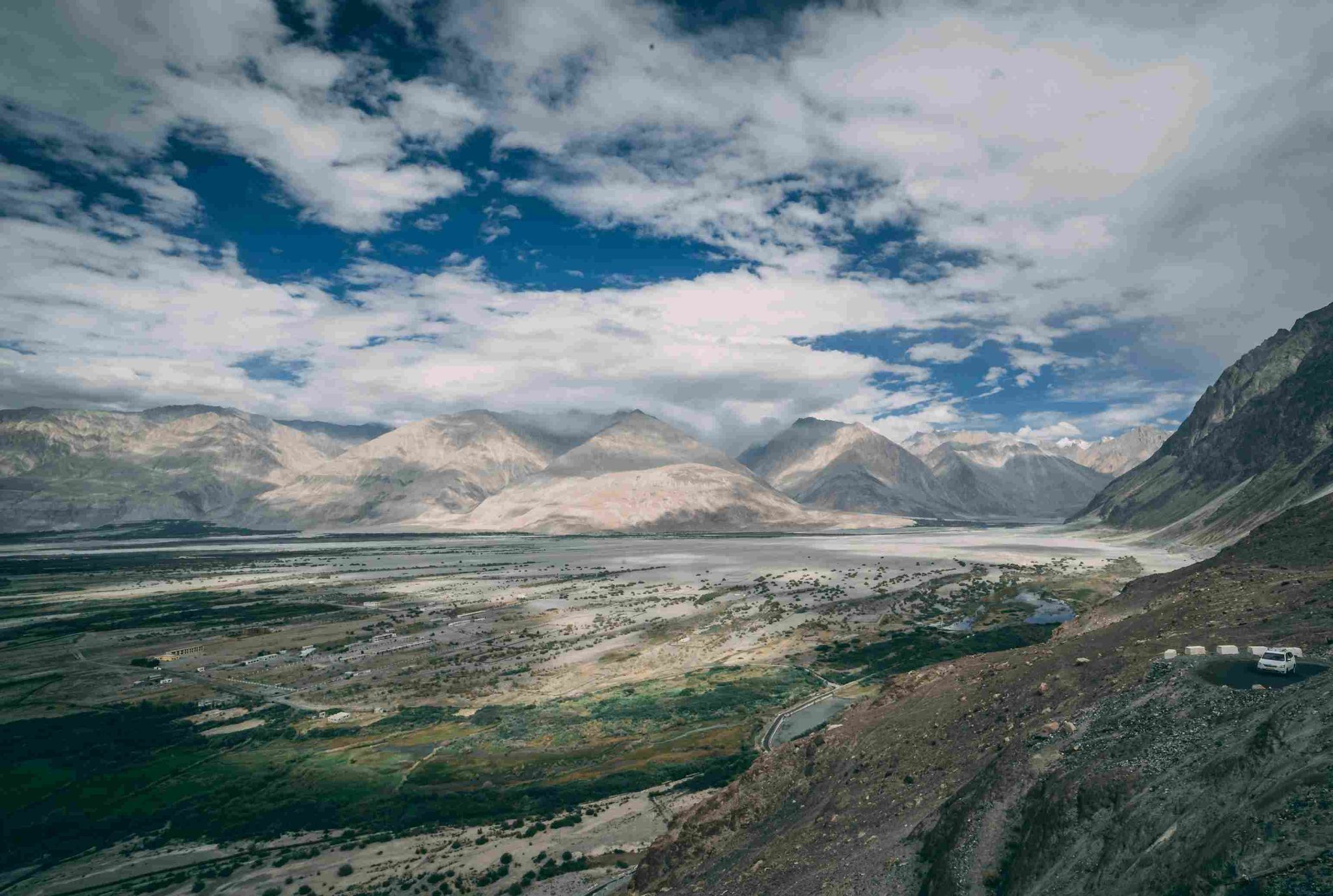 Diskit has a cold desert climate, with long winters and short, mild summers. Since it is lower than Leh, it is usually a bit warmer, but nights can still get cold, even in summer. Most of the year is dry, except for a short increase in rain during the monsoon.
Season | Approx. Day Temperature | Approx. Night Temperature |
Summer (June to August) | 17°C to 24°C | 5°C to 11°C |
Early Autumn (September) | 15°C to 20°C | 2°C to 6°C |
Winter (December to February) | Below 0°C to 3°C | -15°C to -20°C |
Spring (April to May) | 10°C to 17°C | 0°C to 6°C |
Best Months to Visit Diskit
June through September is generally considered the most comfortable stretch, since the Khardung La and other access roads stay open and skies remain clear. April and May can also work if you do not mind cooler evenings and the odd dust storm.
Months to Avoid
Heavy snow closes the passes between Nubra Valley and Leh from late October to March, which means Diskit is often cut off for long periods. If you are not planning a winter expedition, it is better to visit at another time.
Why Should Diskit Monastery Be on Your List?
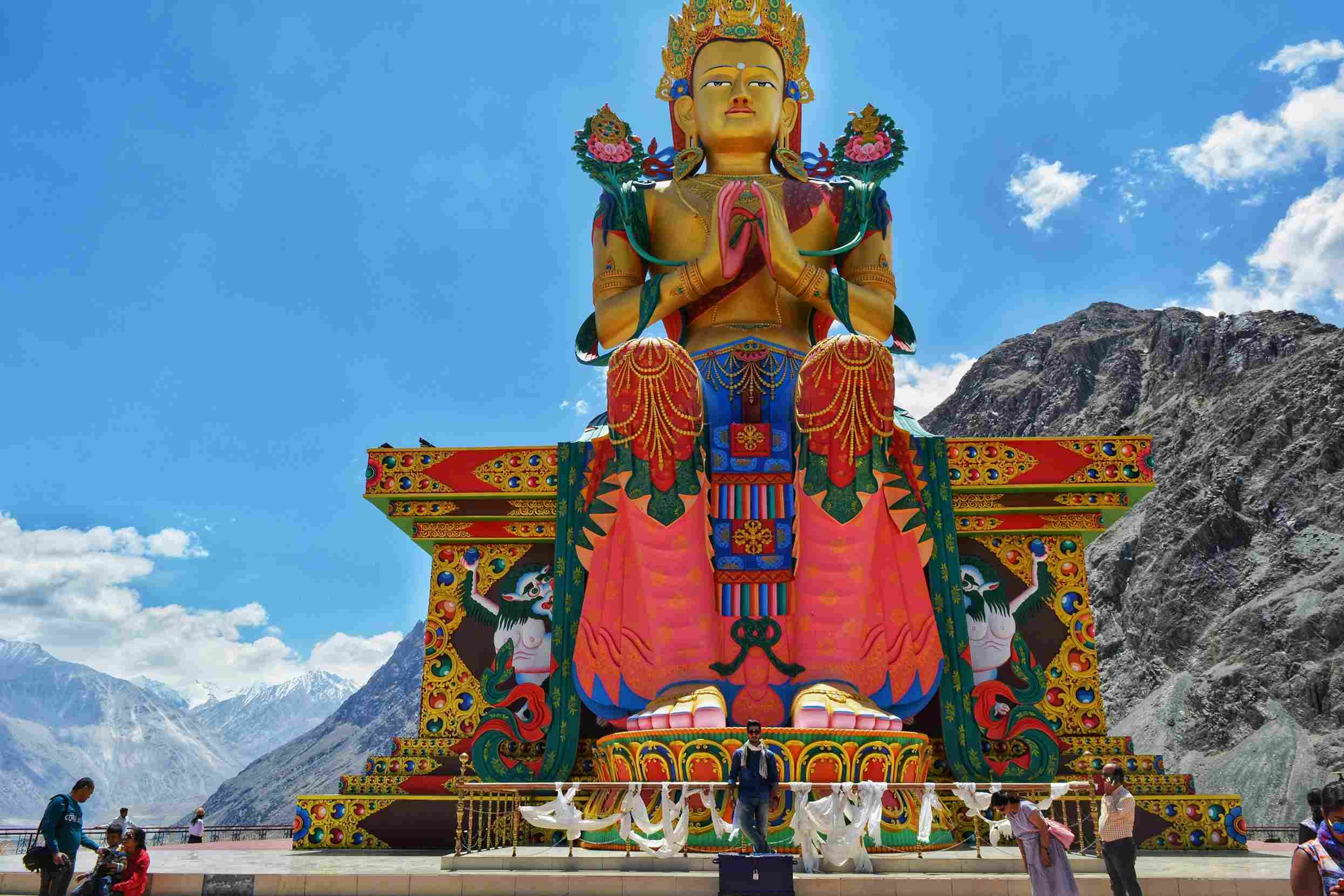 Diskit Monastery, also called Diskit Gompa, is over 350 years old and belongs to the Gelugpa sect of Tibetan Buddhism. Perched on a hillside, it looks out over the entire village and the Shyok riverbed below.
The monastery's biggest draw is the 106-foot Maitreya Buddha statue installed near its base, which faces the river and, symbolically, the direction of the India-Pakistan border. Locals see it as a marker of protection and peace. Inside the monastery, you will find old murals, thangkas and prayer halls that have survived centuries of Ladakhi history.
- Home to around a hundred resident monks
- Hosts the Dosmoche festival every February, marked by masked Chham dances
- Open roughly from 7 am to 7 pm with a midday break
Climbing up to the monastery involves a short but steep walk, so pace yourself given the altitude.
How Far Is Diskit From Leh, and How Do You Reach It?
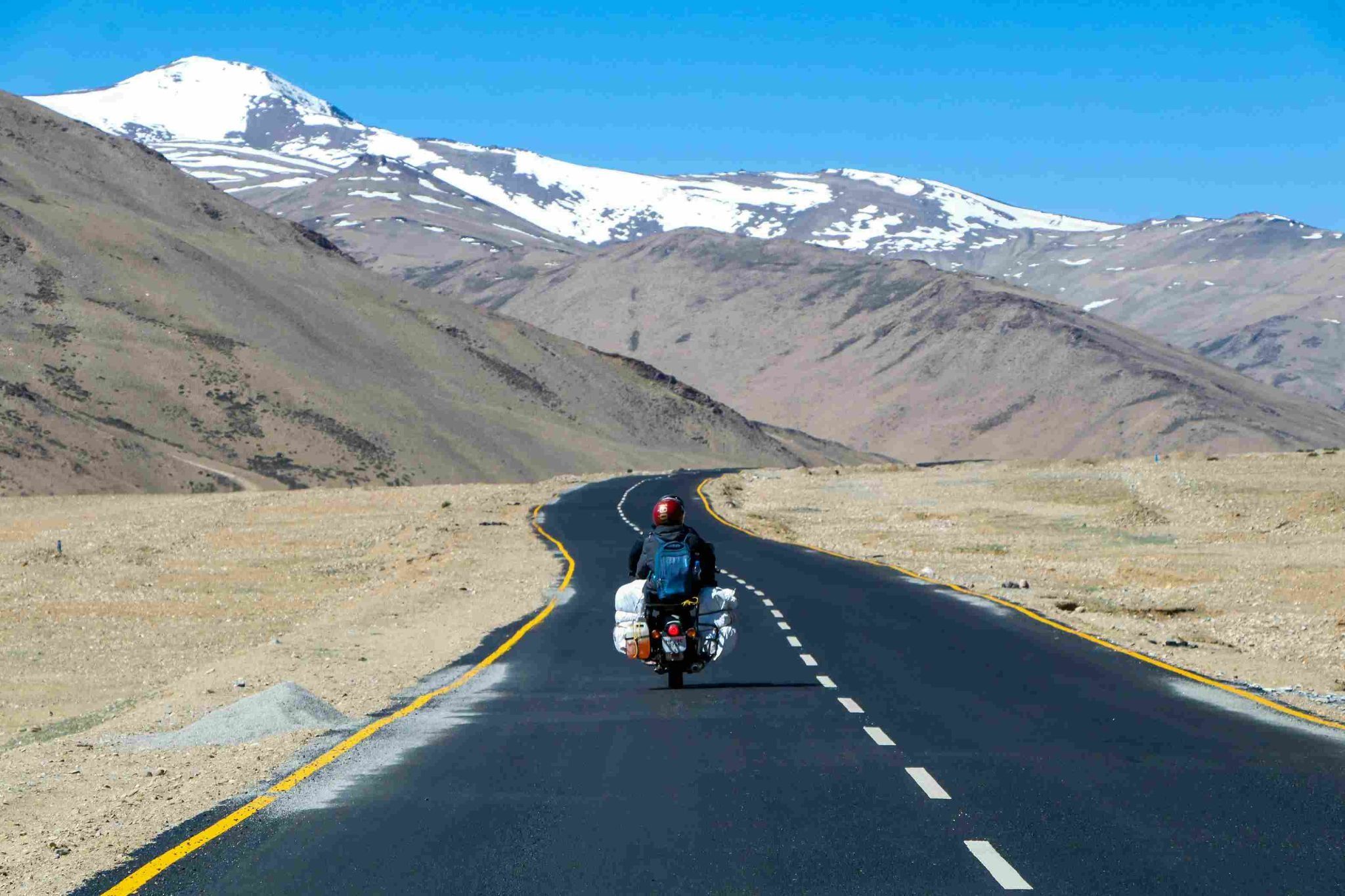 The distance from Leh to Diskit is about 115 to 120 km, and the drive usually takes 4 to 5 hours. Travel time can vary based on road conditions and any stops you make at Khardung La. After crossing this high pass, the road goes down to Khalsar village, where it splits: one way leads to Diskit and Hunder, while the other heads toward Sumur and Panamik.
Route | Distance | Approx. Travel Time |
Leh to Diskit via Khardung La | 115 to 120 km | 4 to 5 hours |
Delhi to Diskit (flight plus road) | Approx. 1,050 km | Flight to Leh, then road |
Shared taxis, private cabs and self-driven vehicles are all common on this stretch. Whichever you pick, an Inner Line Permit is mandatory for Nubra Valley, and it is easy enough to arrange in Leh before you set off.
Where Can You Stay in Diskit?
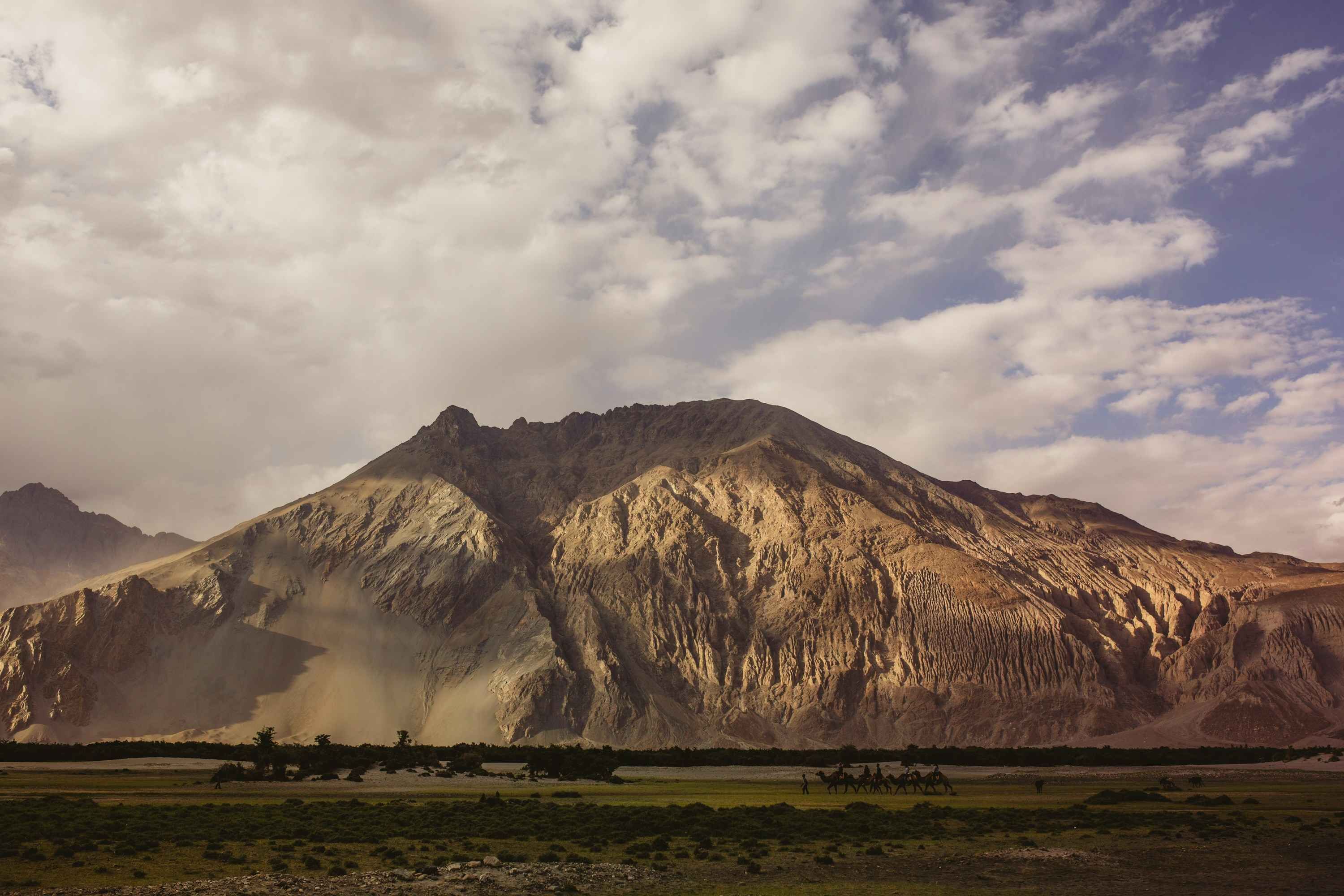 In Diskit, you can find everything from basic guesthouses to boutique camps with mountain views. As the valley's largest town, Diskit usually offers more options than smaller places like Hunder or Sumur.
Here are the different types of stays you can get in Diskit:
Type of Stay | What to Expect |
Guesthouses and homestays | Basic rooms, home cooked meals, warm local hospitality |
Mid range hotels | Attached bathrooms, hot water, garden seating |
Boutique camps and cottages | Tented luxury, mountain views, curated dining |
Carry enough cash for your stay, since ATMs in Diskit are unreliable and often out of service. Most properties also expect advance notice during peak season, since rooms fill up quickly between June and September.
How Far Is Pangong Lake From Diskit?
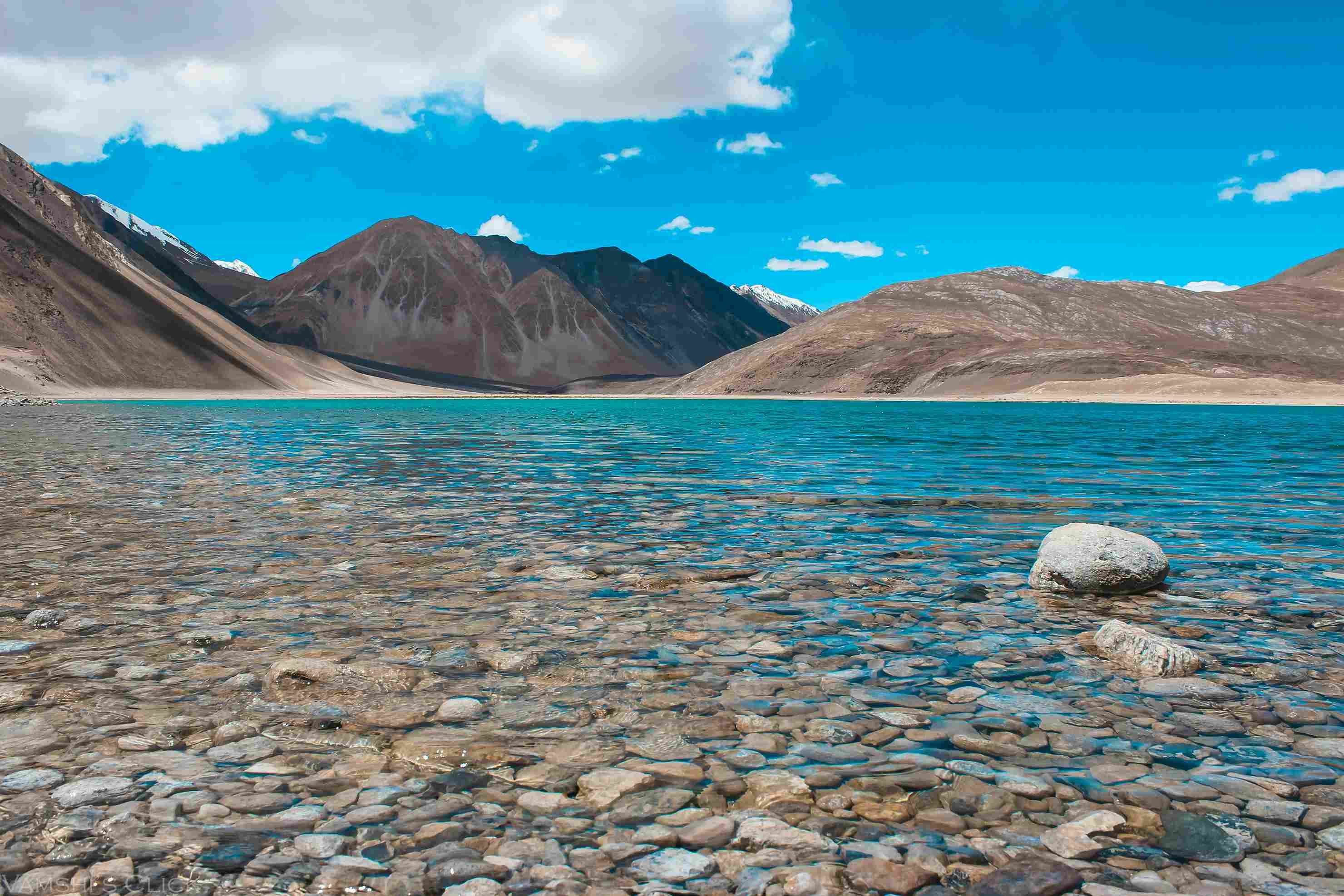 Diskit to Pangong Lake is around 160 to 170 km if you take the Shyok route through Agham and Durbuk, and it takes about 5 to 7 hours to cover. This direct road has improved considerably in recent years and is now the preferred way to reach Pangong without backtracking to Leh.
There is also a longer alternative through Wari La Pass, which stretches to roughly 220 km and takes closer to 10 hours, crossing a second high-altitude pass along the way. Most travellers stick to the Shyok route since it saves both time and fuel.
- Wari La route: approximately 220 km, around 10 hours
- Road generally open from May to October
Fill your tank before leaving Diskit, since fuel stations along this stretch are few and not always functional.
Can You Reach Turtuk From Diskit?
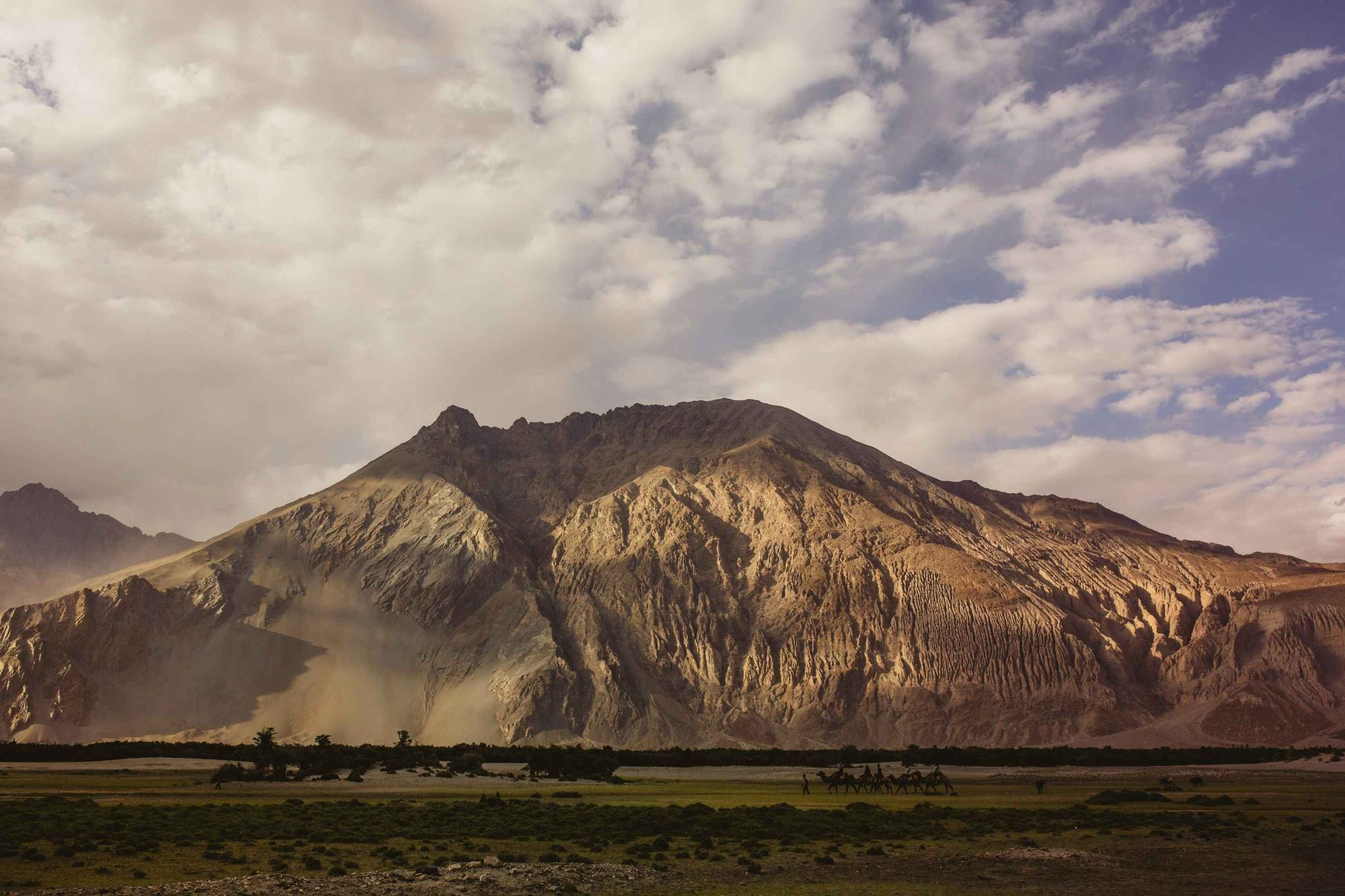 The distance from Diskit to Turtuk is close to 80 to 90 km, and the drive takes roughly 2.5 to 3 hours along the Shyok River. The road stays smooth for much of the way before narrowing in the final stretch closer to Turtuk, so a high-clearance vehicle is a sensible choice.
Turtuk itself is one of Ladakh's more unusual stops. Once part of Baltistan, it came under Indian control only in 1971 and carries a distinct culture, cuisine and architecture compared to the rest of Ladakh. Apricot orchards, stone houses and a slower pace make it worth the detour, especially if you have an extra day to spare in Nubra Valley.
Tribe Travel Tip: Make sure Turtuk is included on your Nubra Inner Line Permit application
What Are the Best Places to Visit in Diskit and Nearby?
 Attractions in Diskit extend well beyond the monastery itself, since the village makes a convenient base for exploring the wider valley.
Place | Distance from Diskit | Known for |
Hunder Sand Dunes | 7 km | Camel rides on Bactrian camels amid desert dunes |
Samstanling Monastery | 20 km (via Sumur) | Quiet Gelugpa monastery with detailed murals |
Yarab Tso Lake | 15 km plus a short trek | Sacred, untouched high altitude lake |
Panamik Hot Springs | 45 km | Natural sulphur springs believed to have healing properties |
Even a couple of days here lets you cover the essentials. Hunder's dunes pair particularly well with a sunset visit, while Yarab Tso works best with an early start.
Conclusion
If you want the most authentic Ladakh experience, Diskit is the perfect place, whether you are drawn by the Maitreya Buddha statue, the quiet of Yarab Tso, or simply the change of scenery after Leh, this village is a must-visit on any Ladakh vacation.
Planning a Ladakh tour can be tricky, which is where Holiday Tribe comes in, with customised Ladakh travel packages that cover itineraries, stays, transfers and optional flight assistance. Get in touch with holiday advisors to book your adventure today.