

Most people visiting Japan stick to the usual route: Tokyo to Kyoto, then Kyoto to Osaka, and sometimes a quick bullet train ride to Hiroshima. Fukuoka in Japan, at the far end of the Shinkansen line, is often overlooked. They are missing out. Fukuoka comes alive at night, is famous for its pork bone broth, and has many highlights close together. You can walk from Hakata Station to the river in twenty minutes. The yatai food stalls open at sunset, and the shrines here are so old that some in Kyoto seem new by comparison. This Fukuoka Japan guide will show you the city’s neighbourhoods, the best day trips, what to eat, where to stay, and the places most travellers miss on the usual Japan route.
Why Fukuoka Japan Deserves More Than a Weekend
Fukuoka in Japan is the biggest city on Kyushu island and the nearest major Japanese city to Asia. Its location has influenced every part of its character. For centuries, Hakata served as Japan's main trading port with China and Korea, so the food, street life, and even the pace in Fukuoka feel different from other parts of Japan.
Here are a few things to know before you visit:
- Fukuoka and Hakata refer to the same city. The name Fukuoka was chosen in 1889 when the samurai castle area joined with Hakata's merchant district. Even today, locals call the older neighborhoods Hakata.
- In 2026, Fukuoka has about 100 licensed yatai, or outdoor food stalls. This is the highest number in Japan, according to Tictivity's May 2026 Fukuoka guide.
- Ichiran Ramen, now known around the world, started here. Its first store opened in Nanokawa, Fukuoka, in 1993.
- The Gion Yamakasa festival, held from July 1 to 15, features teams racing one-ton wooden floats through Hakata's streets before sunrise. It is one of the most impressive and physically demanding street events in Japan.
What to Do in Fukuoka Japan: The City's Best Districts
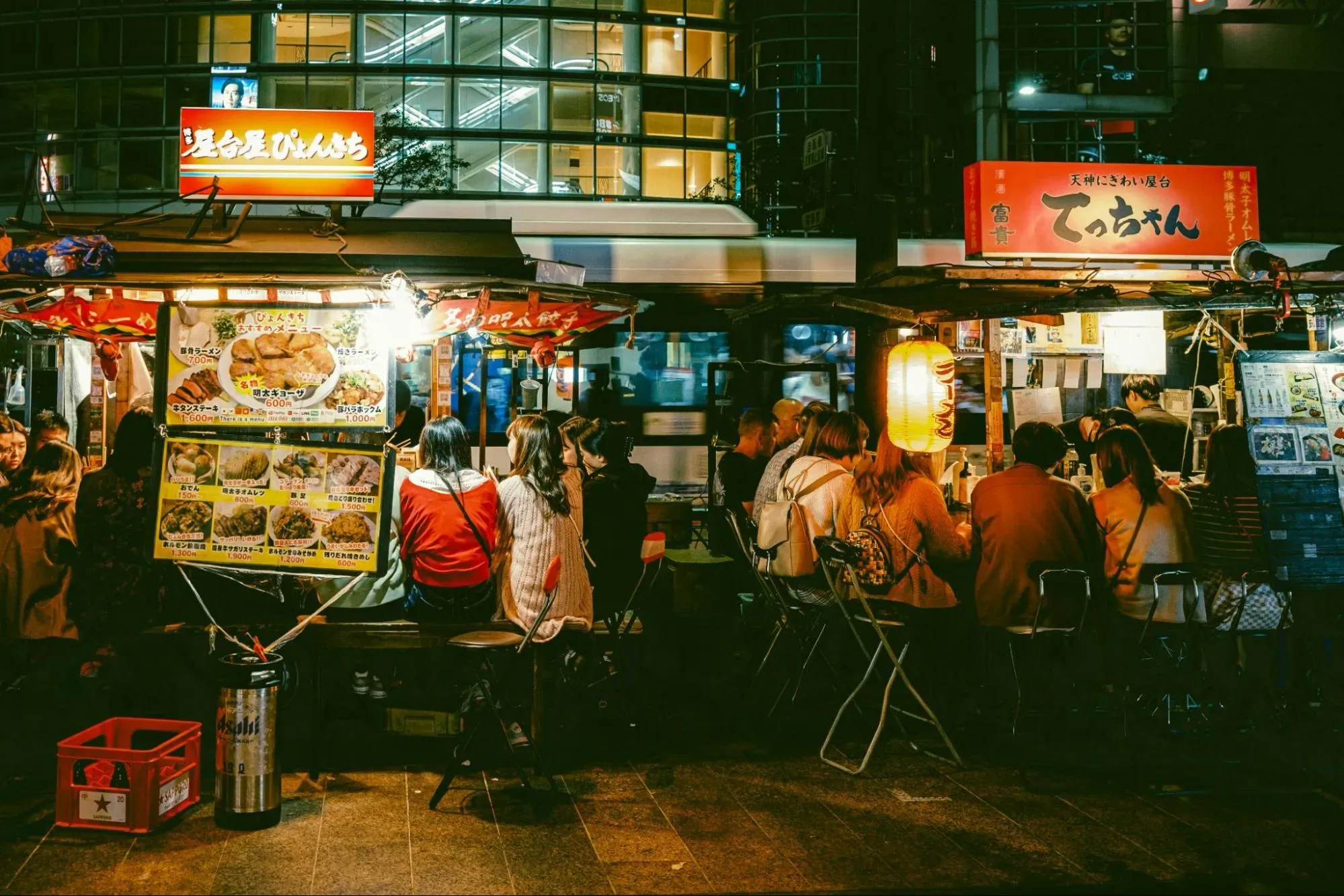
The city is divided into three main areas. If you know which one to visit at different times of day, your experience will be much better.
Hakata: The Heart of Old Fukuoka
Most visitors arrive here since Hakata Station is the Shinkansen terminal, and this area is also home to the city’s oldest neighbourhoods. If you’re wondering what to do in Fukuoka, Japan, this is the best place to start.
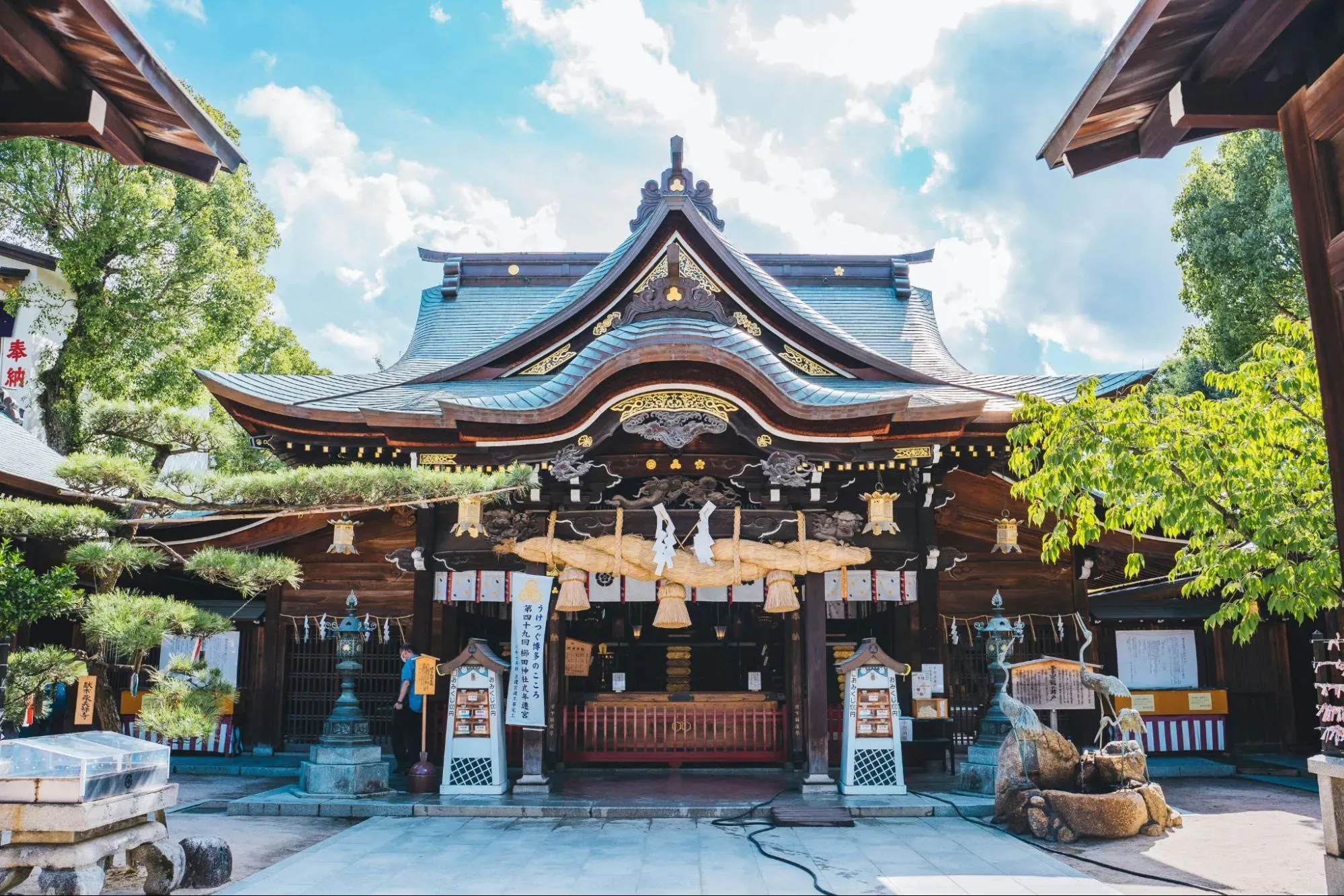
- Kushida Shrine: This is Hakata’s spiritual center and the site of the Gion Yamakasa float festival. You can see a retired festival float on display all year. The craftsmanship is truly impressive. Entry is free.
- Tochoji Temple: This temple has one of Japan’s largest wooden seated Buddha statues. It’s often peaceful, even during busy seasons.
- Hakata Traditional Craft Centre: Here, you can watch artisans weave Hakata-ori, a silk weaving style unique to Fukuoka and recognized as a traditional craft by the Japanese government. It’s a short but interesting visit.
- Canal City Hakata: This is a big open-air shopping complex with daily fountain shows in the central canal. It’s worth spending an hour here for the architecture and the good food choices.
Tribe Travel Tip: Hakata Station is just five minutes from the airport by subway. If you have a layover, you can easily grab a bowl of ramen, visit Kushida Shrine, and return to your gate in under three hours.
Tenjin and Nakasu: Where Fukuoka Comes Alive at Night
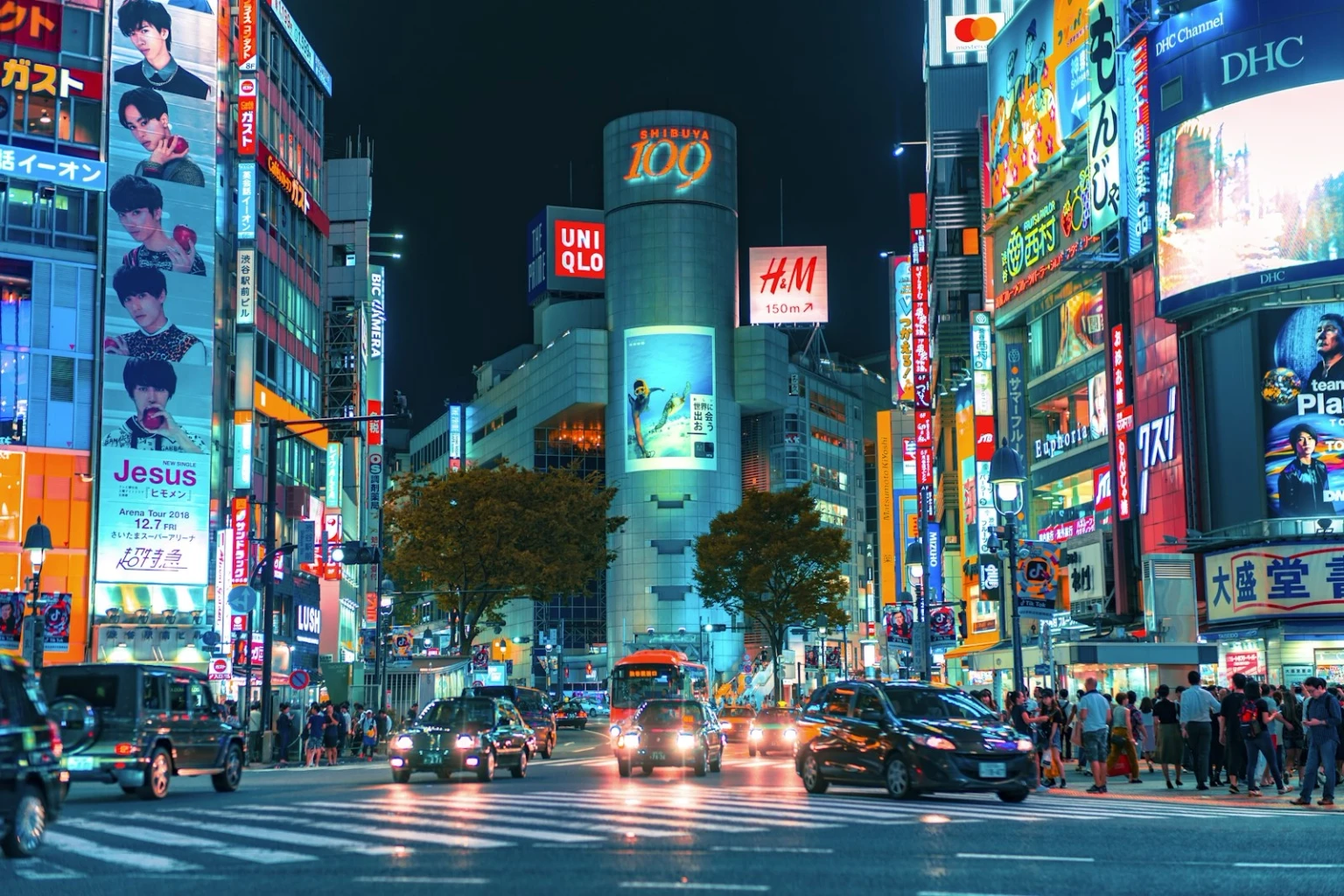
Tenjin is Fukuoka’s main area for shopping and nightlife, just three subway stops from Hakata. Between them is Nakasu, an island in the Naka River and the biggest entertainment district in Kyushu.
- Yatai stalls: There are about 100 licensed yatai stalls along the Nakasu riverside, in Tenjin, and in Nagahama. They open at dusk and close by 1 AM. Bring cash, as cards aren’t accepted. Most dishes cost 500 to 800 yen. Try tonkotsu ramen, yakitori, oden, or gyoza, and remember to order a drink before your food.
- Nakasu riverside: The stalls line the river, with paper lanterns reflecting on the water. The whole area has a unique energy that you won’t find anywhere else in Fukuoka, Japan.
- Tenjin Underground Mall: The Tenjin Underground Mall stretches for 600 meters and connects several department stores. It’s a great place to explore, especially on a rainy day.
Tribe Travel Tip: The Nagahama yatai area, at the western end of the strip, is older and quieter than Nakasu riverside. If you prefer a spot with more locals than tourists, head there instead of staying in the main area.
Hotels in Fukuoka Japan: Where to Base Yourself
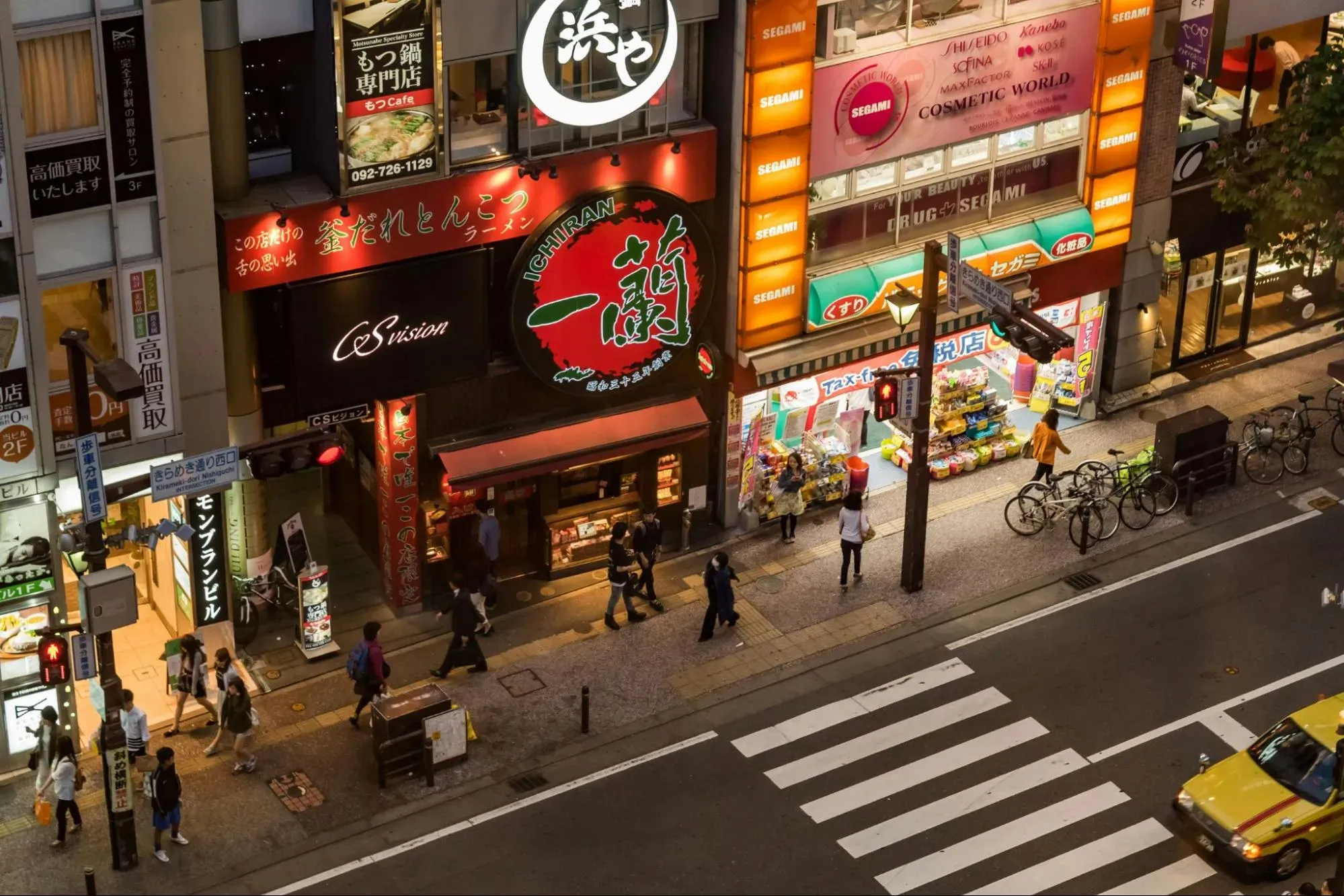
Your decision depends on the type of experience you’re looking for. Both central areas are good options and are only three subway stops from each other.
Area | Best For | Travel to Airport |
Hakata | Easy airport access, ramen streets, traditional neighbourhoods | 5 minutes by subway |
Tenjin | Nightlife, yatai access, shopping, less corporate atmosphere | 20 minutes by subway |
Itoshima coast | Quieter stays, boutique guesthouses, beaches and coastal cafés | 40 minutes from Hakata by train |
Hotels in Fukuoka, Japan, usually offer better value than similar options in Tokyo or Osaka. The Hakata Station area stands out for its good range of clean and affordable business hotels. If you book four to six weeks in advance, you should find plenty of choices, except during Golden Week, Gion Yamakasa week in July, and the autumn festival season.
Kitakyushu and Asakura: Beyond Fukuoka City
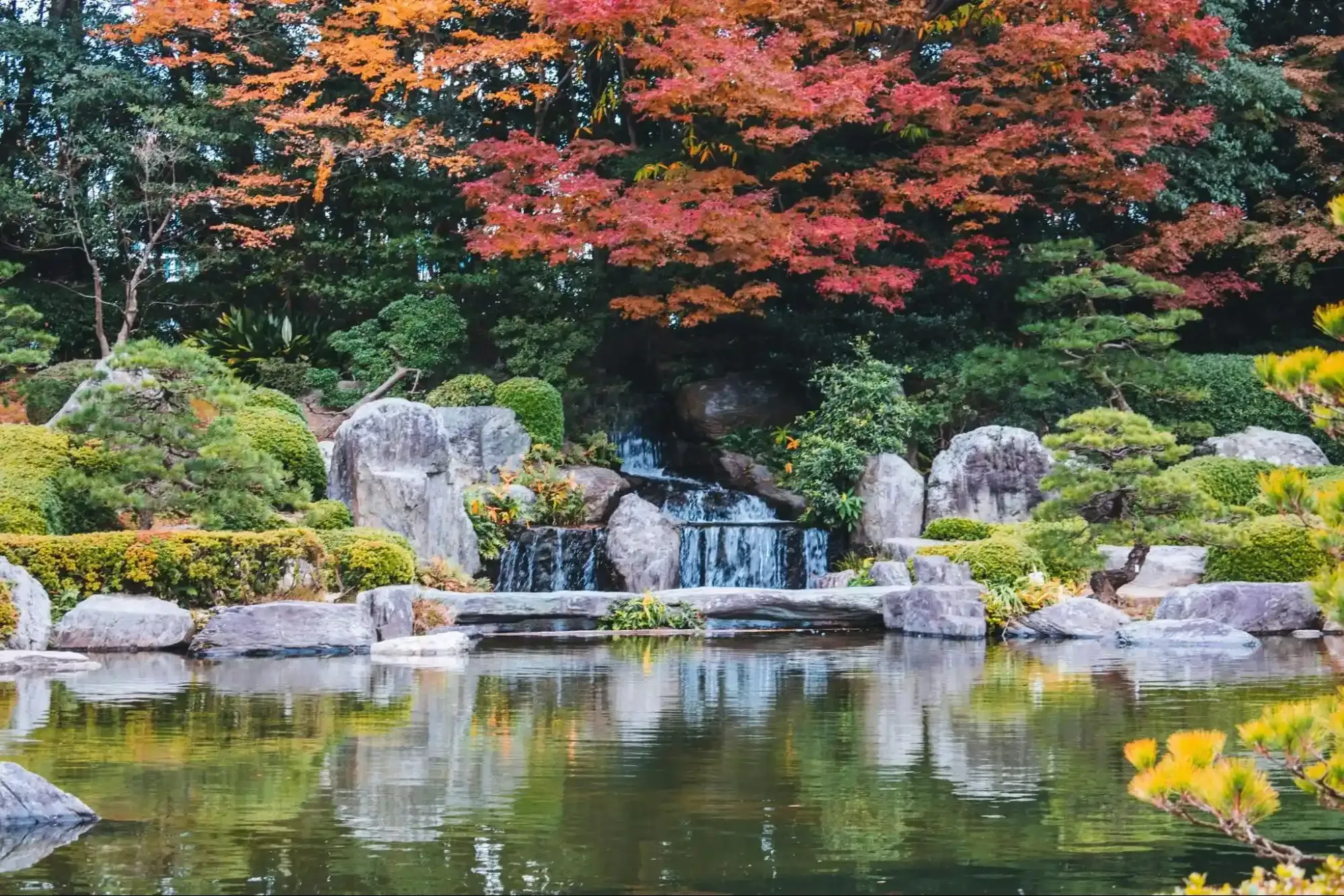
A great reason to stay in Fukuoka, Japan, for more than two nights is the variety of day trips you can easily take by train.
Kitakyushu Fukuoka Japan
Kitakyushu is the northernmost city in Fukuoka Prefecture and is just one stop from Hakata on the Shinkansen. What sets it apart is its history: Kokura, the old castle town, was the original target for the second atomic bomb in August 1945. Because of morning fog, the mission was redirected to Nagasaki. The city does not make a big display of this past, but it adds a unique sense of significance to the area.
- Kokura Castle: Kokura Castle was first built in 1602 by Hosokawa Tadaoki, and the current tower was reconstructed in 1959. It is listed among Japan's "100 Great Castles" and has panoramic views from the fifth floor. The garden around the castle is especially beautiful in spring when the cherry blossoms are in bloom.
- Riverwalk Kitakyushu: Riverwalk Kitakyushu is a modern shopping and arts complex right next to the castle ruins. The mix of old stone and modern glass makes Kitakyushu in Fukuoka, Japan, an interesting place to take photos.
Asakura Fukuoka Japan
Asakura offers a very different day trip experience. It is rural and peaceful, and it is best to visit in autumn or spring. This inland part of Fukuoka Prefecture is known for:
- Akizuki: Akizuki is a small castle town that was once a stronghold of the Kuroda clan. In November, the path to the Akizuki Castle ruins is lined with maple trees that turn deep red and gold. It looks just like the Japan you see in travel posters, but without the crowds you find in Nara or Kyoto.
- Waterfall routes: The area around Amago and Yamakasa in Asakura has several easy-to-reach waterfalls and forested hiking trails. You do not need any special planning or equipment to enjoy them.
Tribe Travel Tip: Asakura is best enjoyed as a peaceful autumn morning trip from the city. Try to avoid public holidays, as the walk to Akizuki Castle can get surprisingly crowded.
Plan Your Fukuoka Getaway with Holiday Tribe
Fukuoka, Japan is a city best enjoyed at a relaxed pace. Take time to enjoy good food and explore without a strict plan. The yatai food stalls stay open past 10 PM. Visit the shrines early, before the tour groups arrive at 9 AM. Dazaifu is just a forty-minute train ride away, and Kitakyushu is only twenty minutes on the Shinkansen.
At Holiday Tribe, we plan Japan holidays in two ways. If you want a curated package that includes Fukuoka as part of a larger Kyushu or full-Japan tour, we have options for different holiday lengths and travel styles. If you prefer to create your own route based on your dates, interests, and places that standard tours often miss, our advisors can build a custom holiday for you. Just let us know what you want, and we’ll handle the rest.