

The ruins of ancient Greece aren’t just piles of stones behind ropes. You can still walk through them, sit inside, and stand on them, even after more than two thousand years. This guide highlights the top 10 ancient Greek ruins you can visit today, from Athens’ famous marble landmark to a sacred island where no one was allowed to be born. Most of these sites are only a few hours apart, so you can easily visit several on one holiday. For each place, you’ll find its location, why it’s important, what to see first, and the best time to go. This way, you can plan your visit around crowds, heat, and opening hours. Think of this as a practical shortlist for planning your getaway, not just a history lesson.
What Makes Ancient Greece Ruins Worth Seeing In Person?
Photos can’t capture the true feeling of these places. When you stand among them, you notice the scale, the sounds, and the surroundings; these are what bring ancient Greek history to life. Here’s what you’re really seeing:
- Living religion: These places were sanctuaries where people in ancient Greece came for oracles, festivals, and healing.
- Early engineering: Theatres and temples here still function just as they were meant to.
- The roots of ancient Greek civilisation: These places are where ideas about democracy, sports, and drama began; ideas that shaped Greek culture and influenced the world.
Which Are the Top 10 Ancient Greece Ruins to Visit?
These ten sites offer the best way to experience ancient Greece and also rank among the best places to visit in Greece, starting with the most famous and ending with some hidden gems.
1. The Acropolis Of Athens
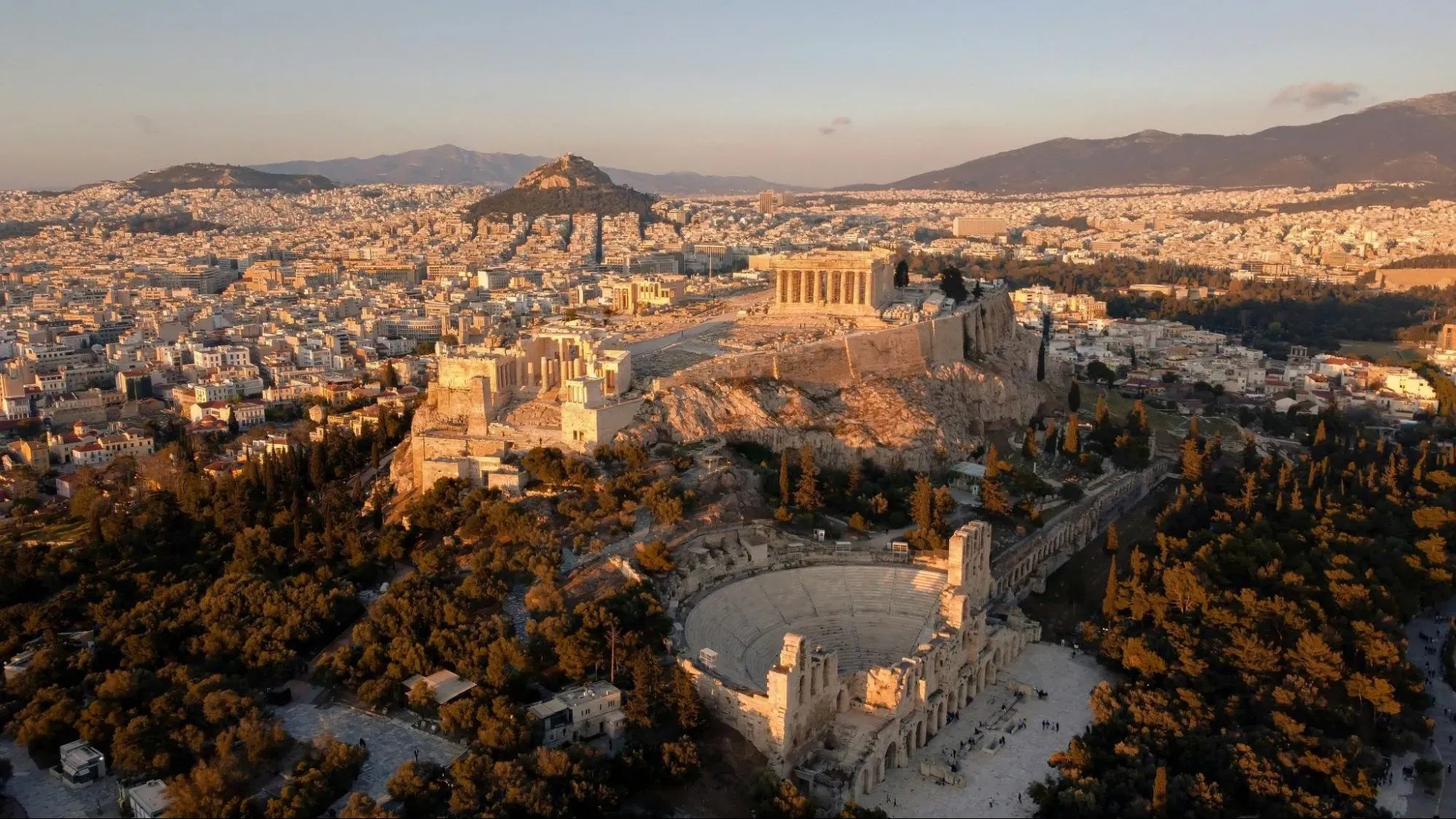
The Acropolis is the most iconic site in ancient Greece. This limestone hill is topped by the Parthenon and three other temples from the fifth century BC. It’s the busiest attraction in the country, so when you visit it can make all the difference.
- Location: Central Athens, just a short walk from the Acropolis Museum.
- Opening hours: Summer (Apr-Oct) 08:00-20:00; winter (Nov-Mar) 08:00-17:00. Entry is limited to 20,000 visitors per day, so be sure to book your tickets in advance on the official website.
- Why visit: The Acropolis represents the peak of ancient Greek civilization in Athens and was built during the golden age of Pericles.
- Don’t miss: The Parthenon, which is now free of scaffolding for the first time in decades, and the Caryatids at the Erechtheion.
2. Delphi
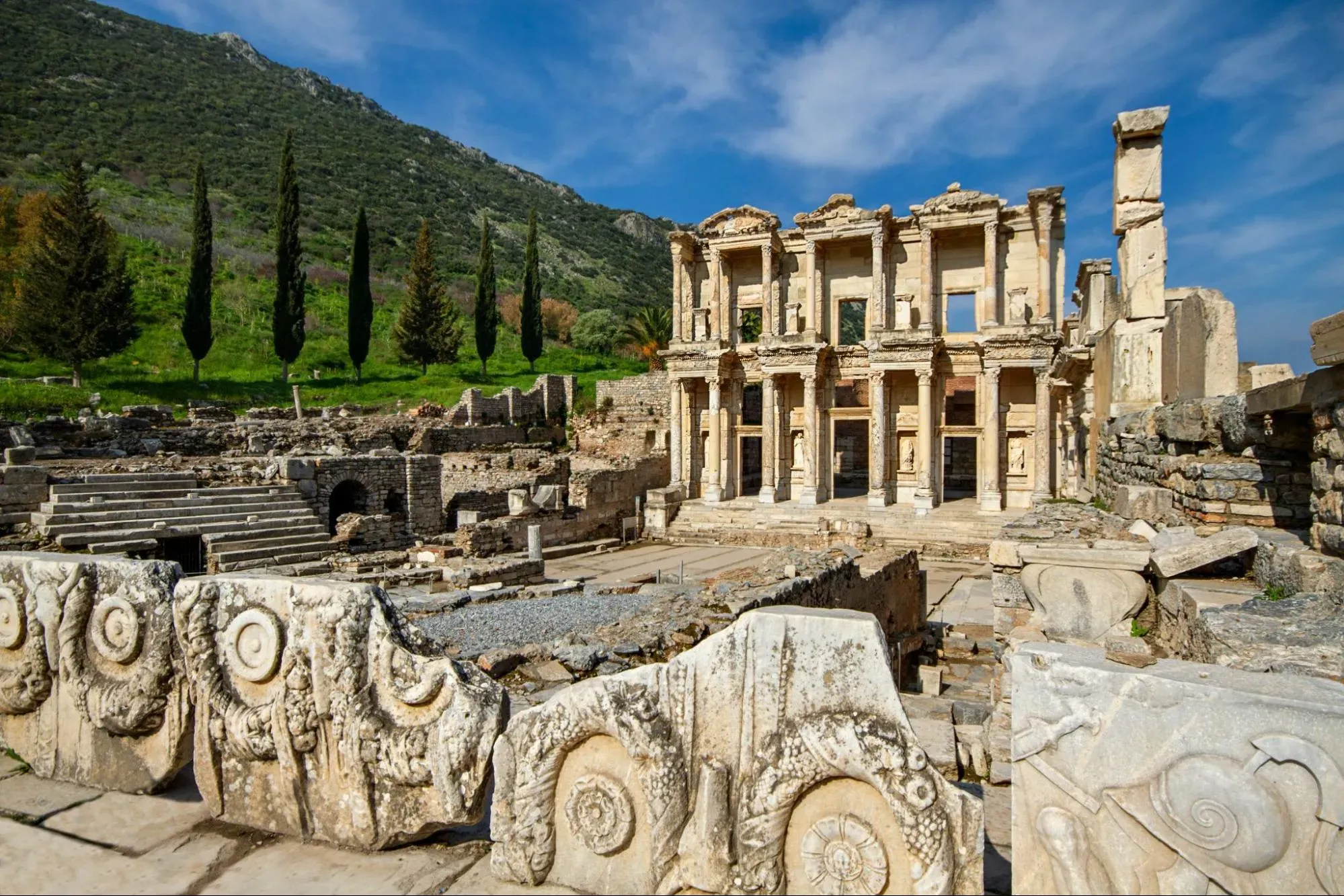
For hundreds of years, Delphi was the spiritual heart of ancient Greece. People believed it was the center of the world. Kings and generals traveled up Mount Parnassus to ask the oracle, the priestess called the Pythia, about their futures.
- Location: Central Greece, roughly 2.5 hours from Athens by road.
- Opening hours: Summer 08:00-20:00; winter 08:30-15:30
- Why visit: Delphi was home to the most trusted oracle in Greek history and the famous saying 'know thyself'.
- Don’t miss: Be sure to see the Temple of Apollo, the ancient stadium, and the bronze Charioteer of Delphi in the museum.
3. Ancient Olympia
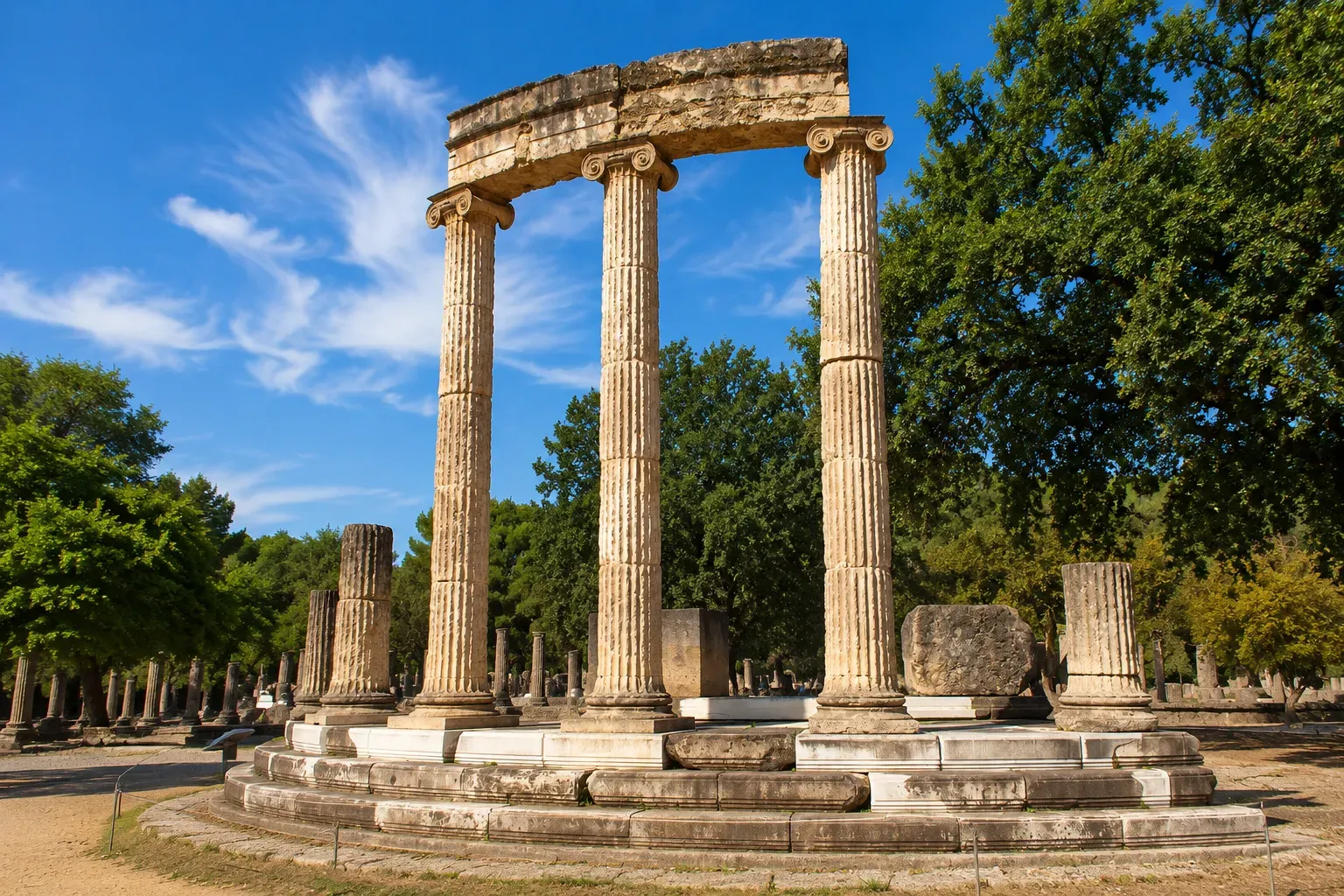
The Olympic Games started here in ancient Greece, with the first games recorded in 776 BC and held every four years for about a thousand years. Before it became a stadium, Olympia was a sanctuary dedicated to Zeus.
- Location: Western Peloponnese. The easiest way to get there is by car, or you can plan an overnight stop if you are looking for more things to do in Greece around the Peloponnese.
- Opening hours: Summer 08:00-20:00; winter 08:30-15:30
- Why visit: This is where the Olympic Games began, and it was once home to a huge gold-and-ivory statue of Zeus, one of the Seven Wonders of the Ancient World.
- Don’t miss: The original running track, where you can still stand on the ancient stone starting line.
4. The Theatre Of Epidaurus
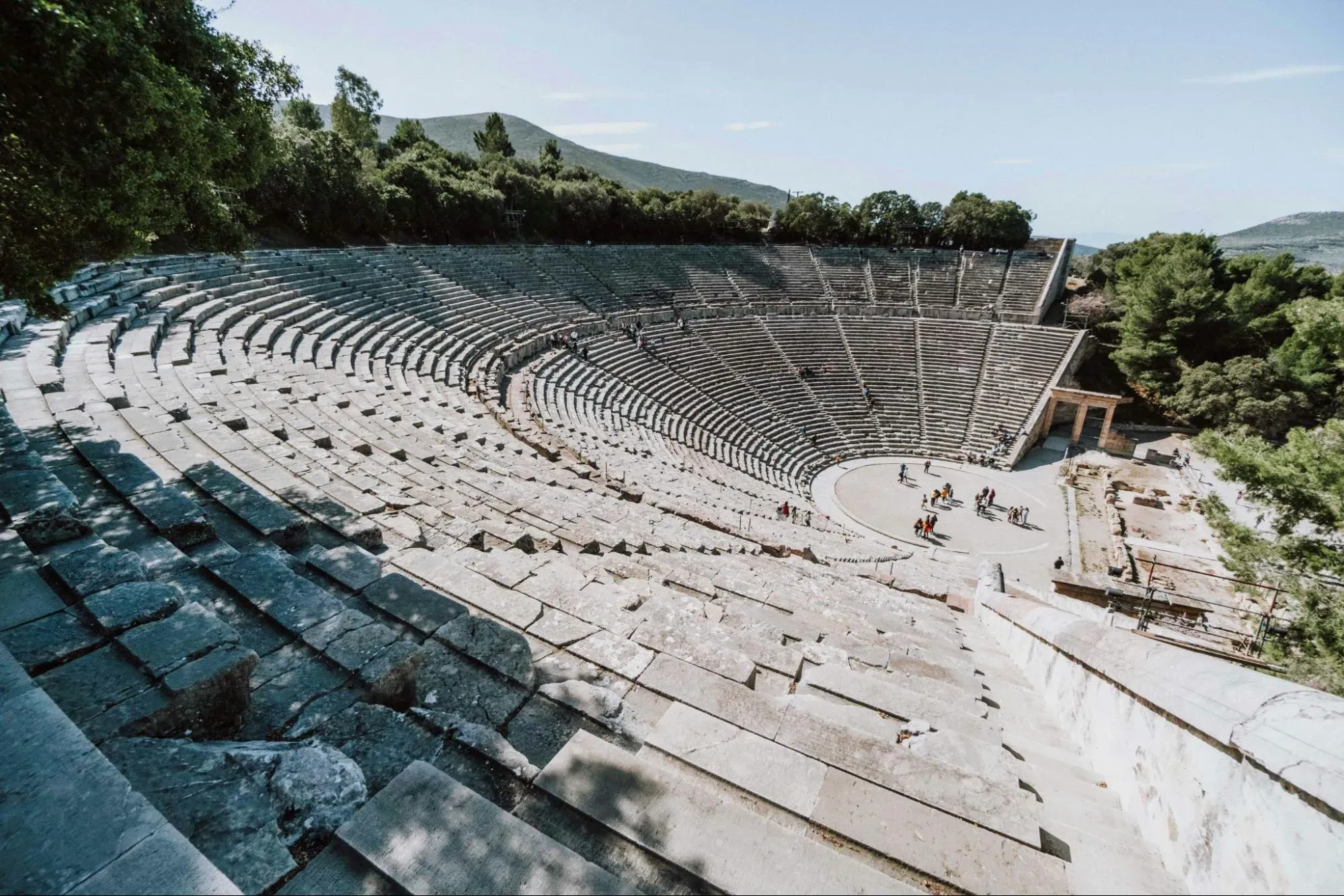
Epidaurus is home to the best-preserved theatre of ancient Greece, which seats 14,000 people and dates back to the fourth century BC. The acoustics are so good that you can hear a coin drop on stage from the very last row.
- Location: The Argolid region in the Peloponnese, often visited together with Mycenae.
- Opening hours: Summer 08:00-20:00; winter 08:30-15:30
- Why visit: This is a stunning example of ancient Greek engineering and is still used for live shows every summer.
- Don’t miss: Trying out the acoustics yourself by listening from the top row.
5. Mycenae
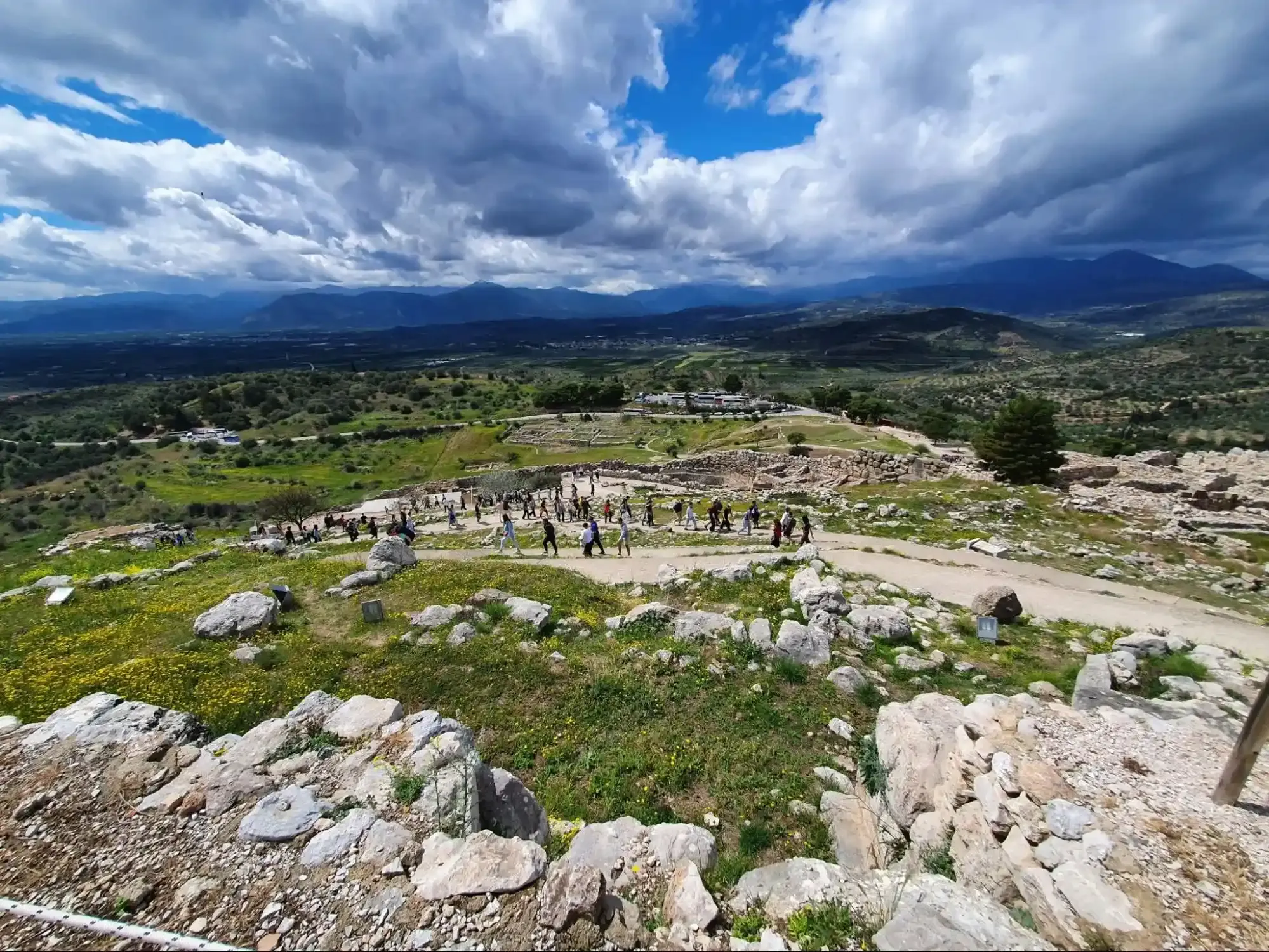
Before classical Athens, Mycenae stood on a hilltop, surrounded by huge walls that later Greeks thought only giants could have built. This Bronze Age site was the heart of ancient Greece and the legendary home of King Agamemnon.
- Location: The Argolid region in the Peloponnese, near Epidaurus.
- Opening hours: Summer 08:00-20:00; winter 08:30-15:30
- Why visit: Mycenae was the centre of Mycenaean power and played a major role in ancient Greek history.
- Don’t miss: Be sure to see the Lion Gate and the beehive-shaped Treasury of Atreus.
6. Knossos
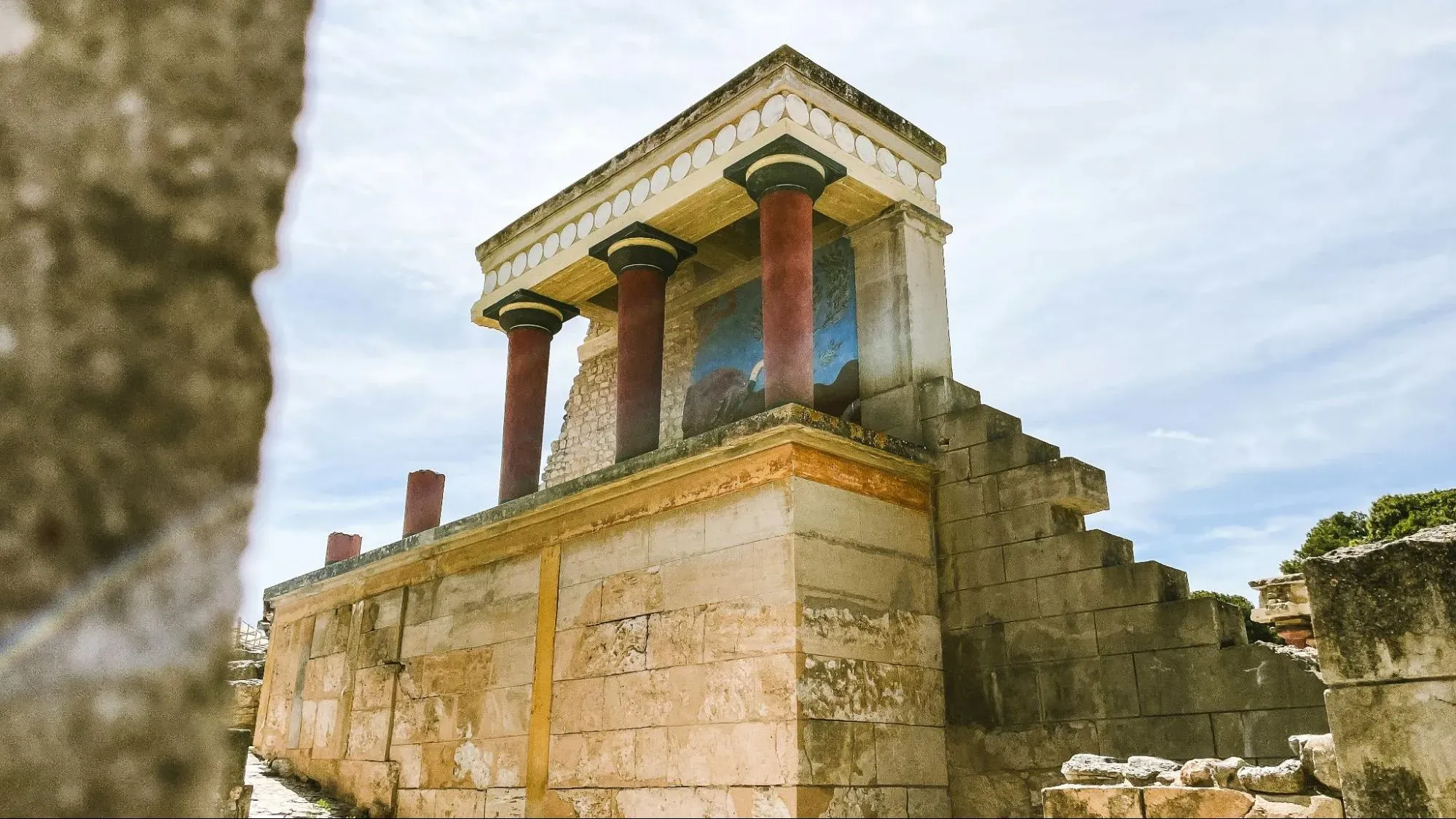
Knossos is the oldest place featured here. This Bronze Age Minoan palace was built centuries before the rest of ancient Greece. It is linked to the myth of the Labyrinth and the Minotaur, and its maze-like rooms make that easy to imagine.
- Location: Just outside Heraklion, Crete.
- Opening hours: Summer 08:00-20:00; winter 08:30-17:00
- Why visit: Europe's oldest known palace and a seed of later Greek civilisation.
- Don't miss: The throne room and the vivid restored frescoes.
7. Delos
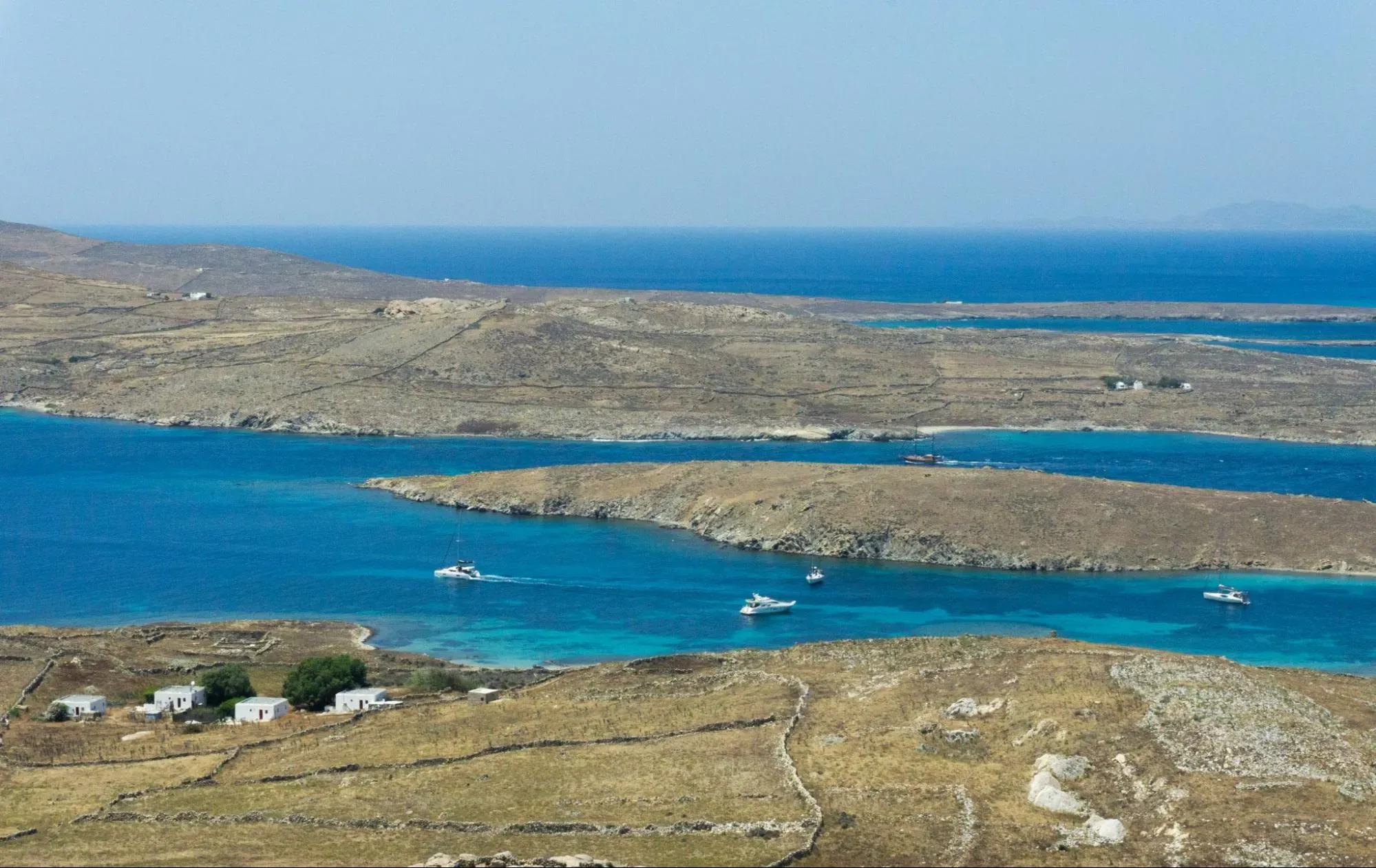
Delos is a small, uninhabited island that was once one of the most sacred places in ancient Greece. Unlike the best islands in Greece known for beaches and nightlife, Delos is known for something rare. People believed Apollo and Artemis were born here, and the island was so holy that births and deaths were not allowed.
- Location: You can reach Delos with a short boat ride from Mykonos.
- Opening hours: The island is open from April to November and closed on Mondays. You can only get there by boat from Mykonos, and the last boats leave in the afternoon. There is no shade, no hotels, and you cannot stay overnight.
- Why visit: Delos was a pilgrimage site and served as the treasury for the Delian League, an alliance of Greek city-states.
- Don't miss: Be sure to see the Terrace of the Lions and the beautiful mosaics in the old merchant houses.
8. Ancient Corinth
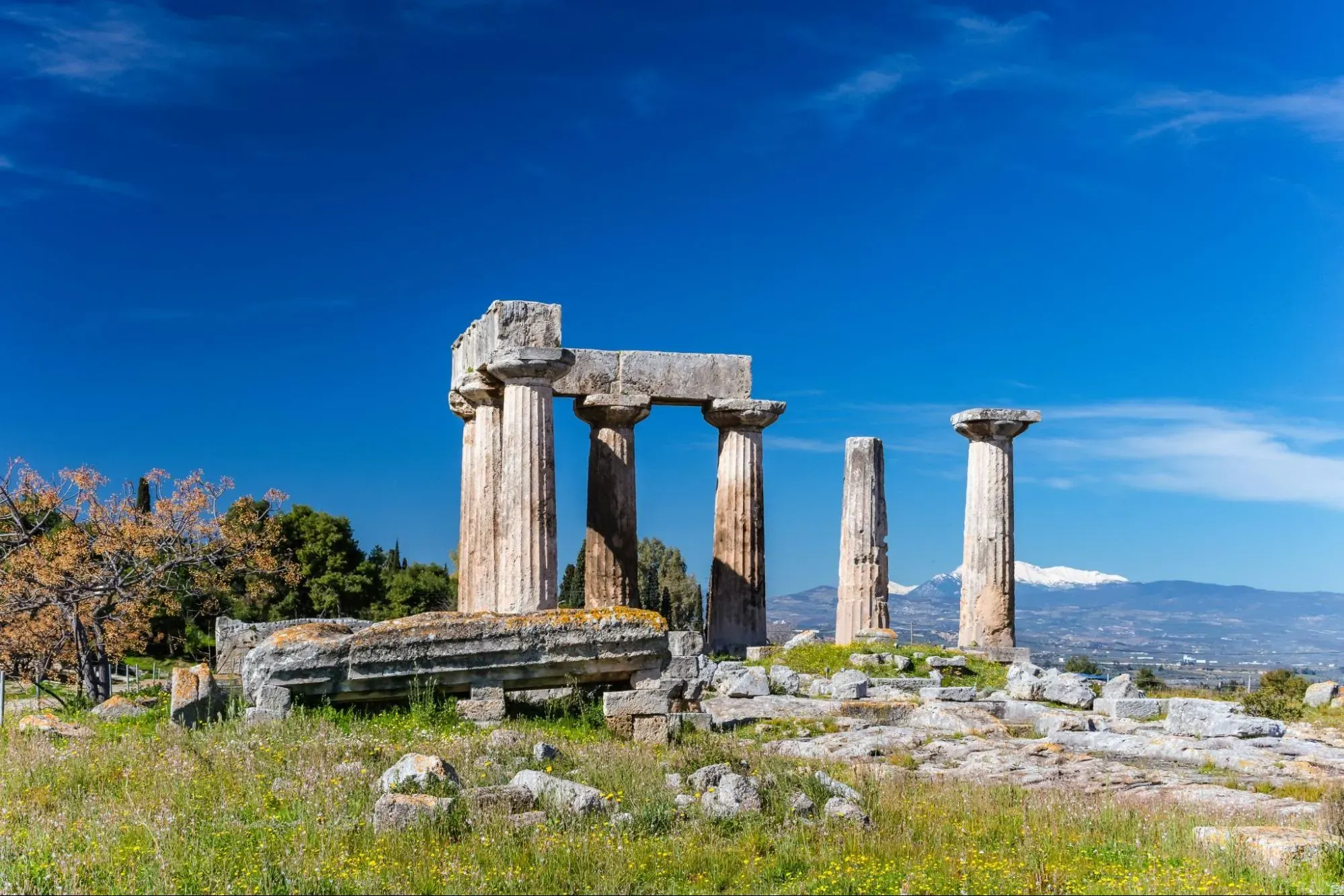
Corinth was a wealthy and lively city, perfectly located for trade. It was one of the major cities of ancient Greece where the worlds of Greece and Rome met. The Apostle Paul also lived and preached here, so it attracts both pilgrims and history fans.
- Location: About an hour and a half from Athens, close to the Corinth Canal.
- Opening hours: Summer 08:00-20:00; winter 08:30-15:30
- Why visit: Corinth was a major trading city and is one of the few places where you can see the history of both Greece and Rome together.
- Don’t miss: Be sure to see the Archaic Temple of Apollo and the Acrocorinth fortress on the hill above the city.
9. The Temple Of Poseidon At Cape Sounion
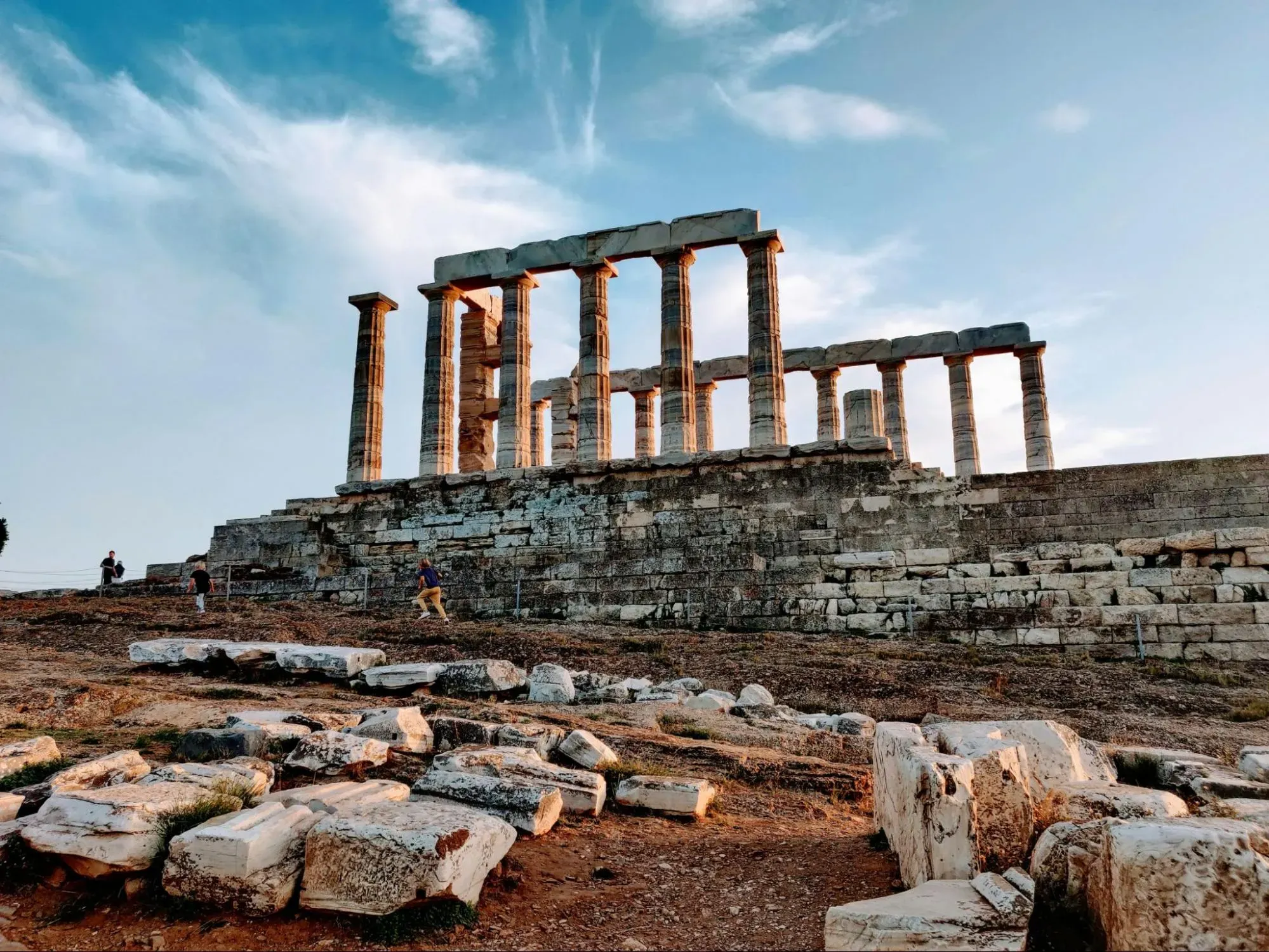
This temple stands on a cliff at the end of Attica and is known as the best place to watch the sunset in ancient Greece. When the sky is clear, the marble columns shine with a golden light over the Aegean Sea.
- Location: At the southern tip of Attica, around an hour and a half from Athens.
- Opening hours: Daily, 09:30 to sunset (later closing in summer for the sunset crowd)
- Why visit: This site is one of the atmospheric sites to visit in Greece was a key landmark for ancient Greek sailors and was later admired by the poet Lord Byron.
- Don’t miss: The column where Byron is believed to have carved his name in 1810.
10. The Royal Tombs Of Aigai
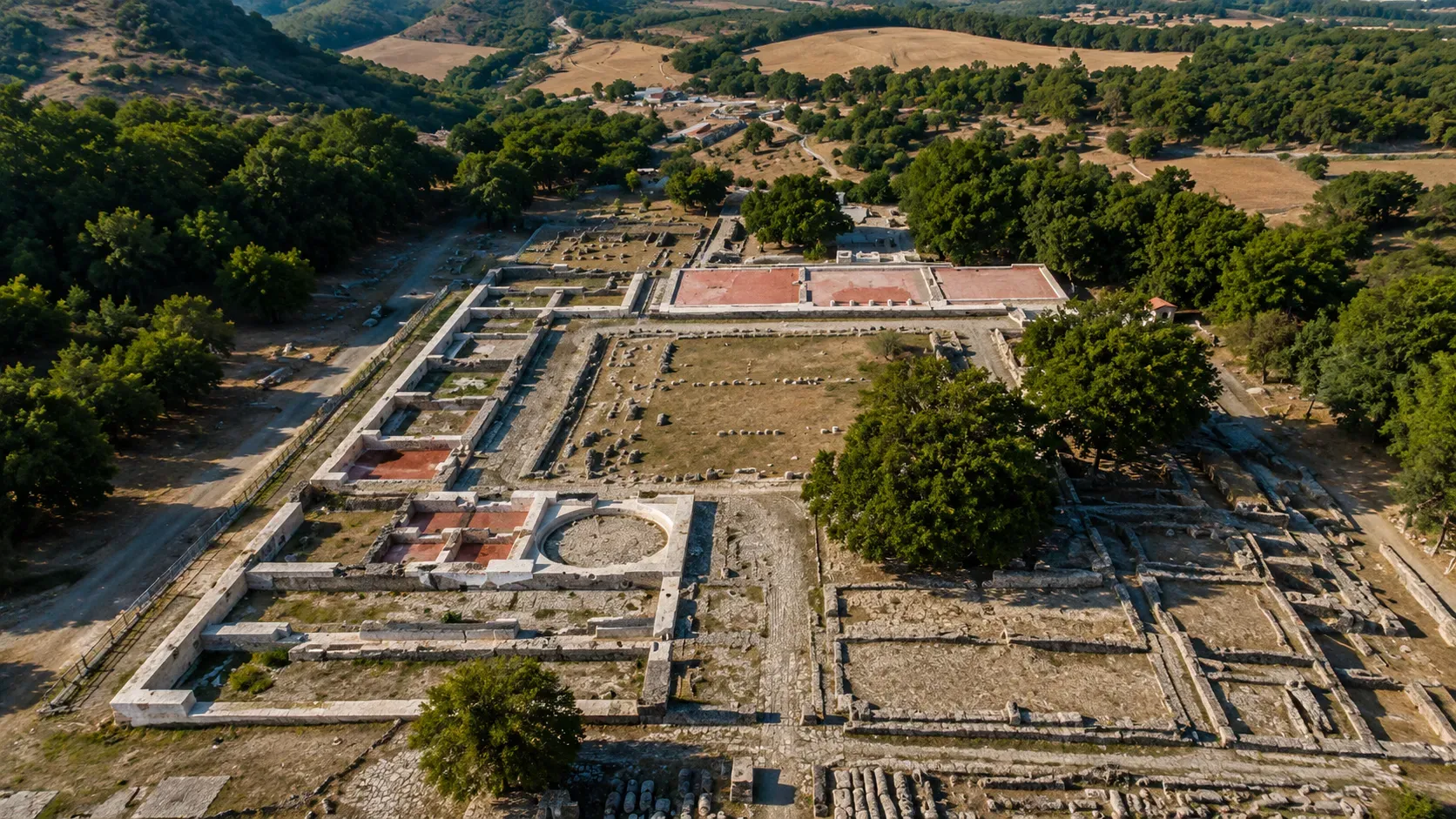
This site may not be the most famous, but it is truly breathtaking. Beneath a grassy hill near Vergina are the untouched royal tombs of the Macedonian kings of ancient Greece, including Philip II, who was Alexander the Great’s father.
- Location: Close to Vergina, around 75 kilometres from Thessaloniki in northern Greece.
- Opening hours: Summer 08:00-20:00 (Tuesdays from 12:00); shorter in winter. The museum is indoors, so it works in any weather.
- Why visit: The tomb remains intact and holds golden treasures from Macedon, the capital of a growing Greek empire.
- Don’t miss: To see Philip II’s golden burial casket and wreath, which are shown underground in the place where they were discovered.
How Do These Ancient Greece Ruins Compare?
Not sure which ruins to visit first? This simple table lists ancient Greek sites by region and suggests which type of traveller might enjoy each one.
Site | Region | Era | Time needed | Best for |
Acropolis | Athens | 5th c. BC | Half day | First-timers |
Delphi | Central Greece | 8th c. BC on | Full day | History lovers |
Olympia | Peloponnese | 776 BC on | Half day | Families |
Epidaurus | Peloponnese | 4th c. BC | 1-2 hours | Families |
Mycenae | Peloponnese | Bronze Age | Half day | Myth fans |
Knossos | Crete | Bronze Age | Half day | Families |
Delos | Cyclades | From the 3rd mill. BC | Half day | Island-hoppers |
Corinth | Peloponnese | Archaic on | Half day | Pilgrims |
Sounion | Attica | 5th c. BC | 1-2 hours | Couples |
Vergina | N. Greece | 4th c. BC | Half day | Quiet-seekers |
How Many Days Do You Need to See Them?
Most of the ancient Greece ruins are found in three main regions, which makes planning your trip easier:
- Athens and Attica (2-3 days): Visit the Acropolis, take a day trip to Delos from Mykonos, and see the sunset at Cape Sounion.
- The Peloponnese (2-3 days): Explore Mycenae, Epidaurus, Olympia, and Corinth in one holiday.
- The north and Crete (add 2-3 days): Visit Vergina from Thessaloniki and Knossos from Heraklion.
You can see the main sites in a week at a relaxed pace. Spring (April to June) and autumn (September to October) are the best time to visit Greece offering warm weather, fewer crowds, and open ruins. In July, the heat can close the Acropolis at midday.
Standing Where It All Began
There aren’t many places where you can get so close to the origins of western democracy, sport, and theatre. If you visit these ancient Greek ruins at the right time and in the right order, your holiday will become a story you’ll want to share. At Holiday Tribe, our advisors create land-only itineraries that fit your travel style, matching the sites, timing, and pace to what you enjoy. You can shape your own route instead of following a set plan. Just let us know which part of ancient Greece interests you, and we’ll take care of everything else.