

Sri Lanka may be about the size of Ireland, but it packs in 8 UNESCO World Heritage Sites, 15 national parks, 1,330 kilometers of coastline, and a culture over 2,500 years old. If you’re searching for things to do in Sri Lanka, you’ll find an incredible variety that’s hard to beat anywhere else in Asia.
This guide highlights the best things to do in Sri Lanka, including ancient cities, wildlife safaris, Ella’s scenic hills, Galle’s historic streets, surfing, wellness retreats, and practical tips to help you plan your holiday.
What Are the Cultural and Historical Highlights?
Sri Lanka’s culture has deep roots. Before it was famous for beaches and safaris, the island was home to ancient kingdoms, sacred temples, and rock fortresses that still stand today. Visiting these three sites shows why things to do in Sri Lanka are truly unique.
Climb Sigiriya Sri Lanka, the Ancient Rock Fortress
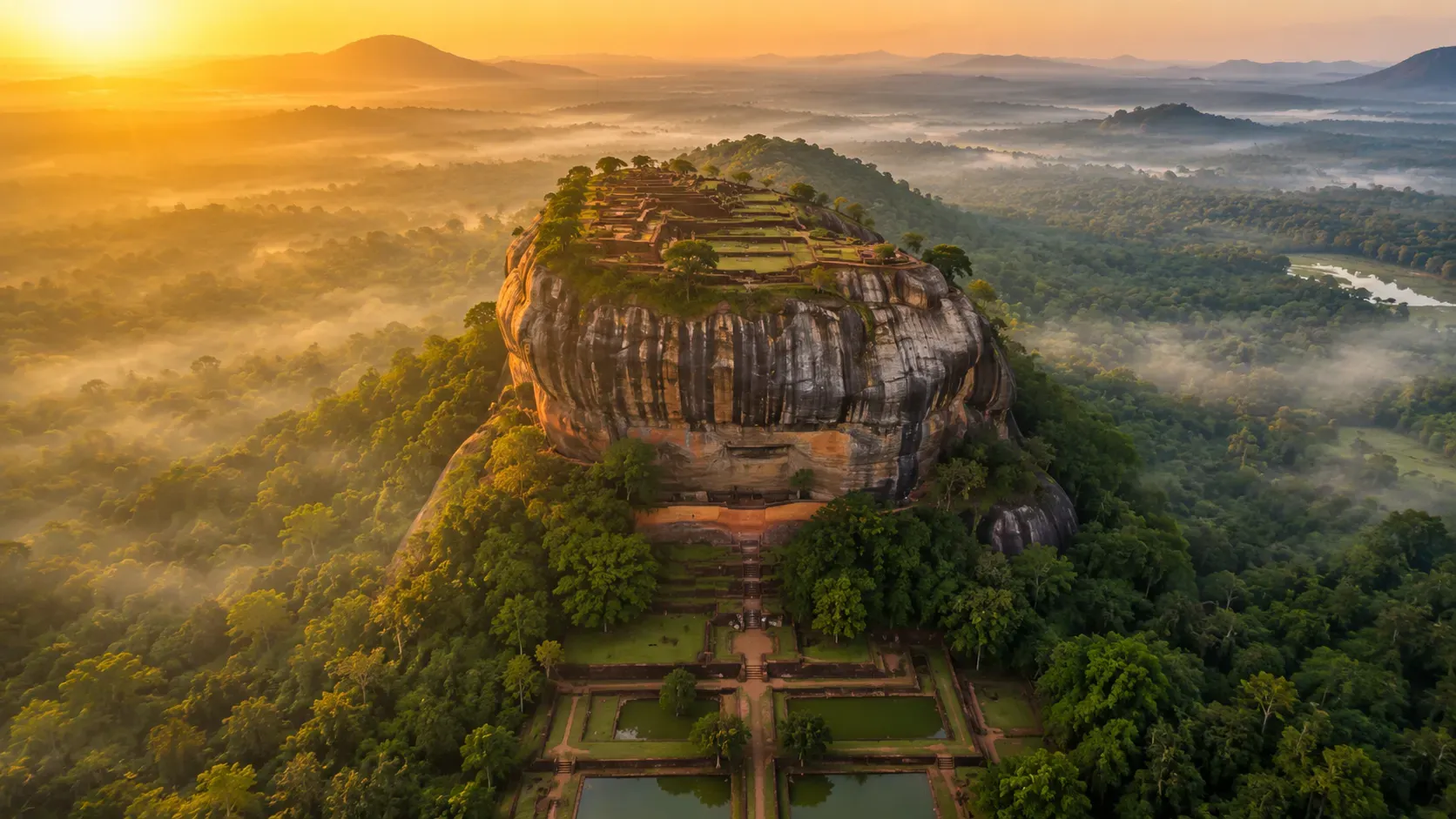
Sigiriya Sri Lanka is one of the most visited sites on the island, and for good reason. This 5th-century rock fortress rises 200 metres above the jungle and holds UNESCO World Heritage status.
- Entry fee: USD $35 for non-SAARC visitors; USD $20 for SAARC nationals. The ticket includes entry to the Sigiriya Museum. Cash and card accepted at the ticket counter
- Steps to the top: Around 1,200 steps. The full climb and time spent at the ruins takes 2 to 3 hours
- What you see on the way up: Ancient water gardens at the base, the famous Sigiriya Damsel frescoes on the rock face, and the Mirror Wall with inscriptions dating back to the 8th century
- At the summit: The ruins of King Kashyapa's 5th-century palace, with sweeping 360-degree views of the surrounding jungle
- For the best external view of Sigiriya Sri Lanka: Head to Pidurangala Rock, a short tuk-tuk ride away. Entry is LKR 1,000. Most people hike it at sunrise to catch Sigiriya Sri Lanka glowing in the early light
- Best time to visit: Arrive at the site at 6:30am to avoid the midday heat and larger crowds.
- Watch out for: Monkeys near the summit. Do not carry food or loose items on the climb
Visit the Temple of the Sacred Tooth Relic in Kandy
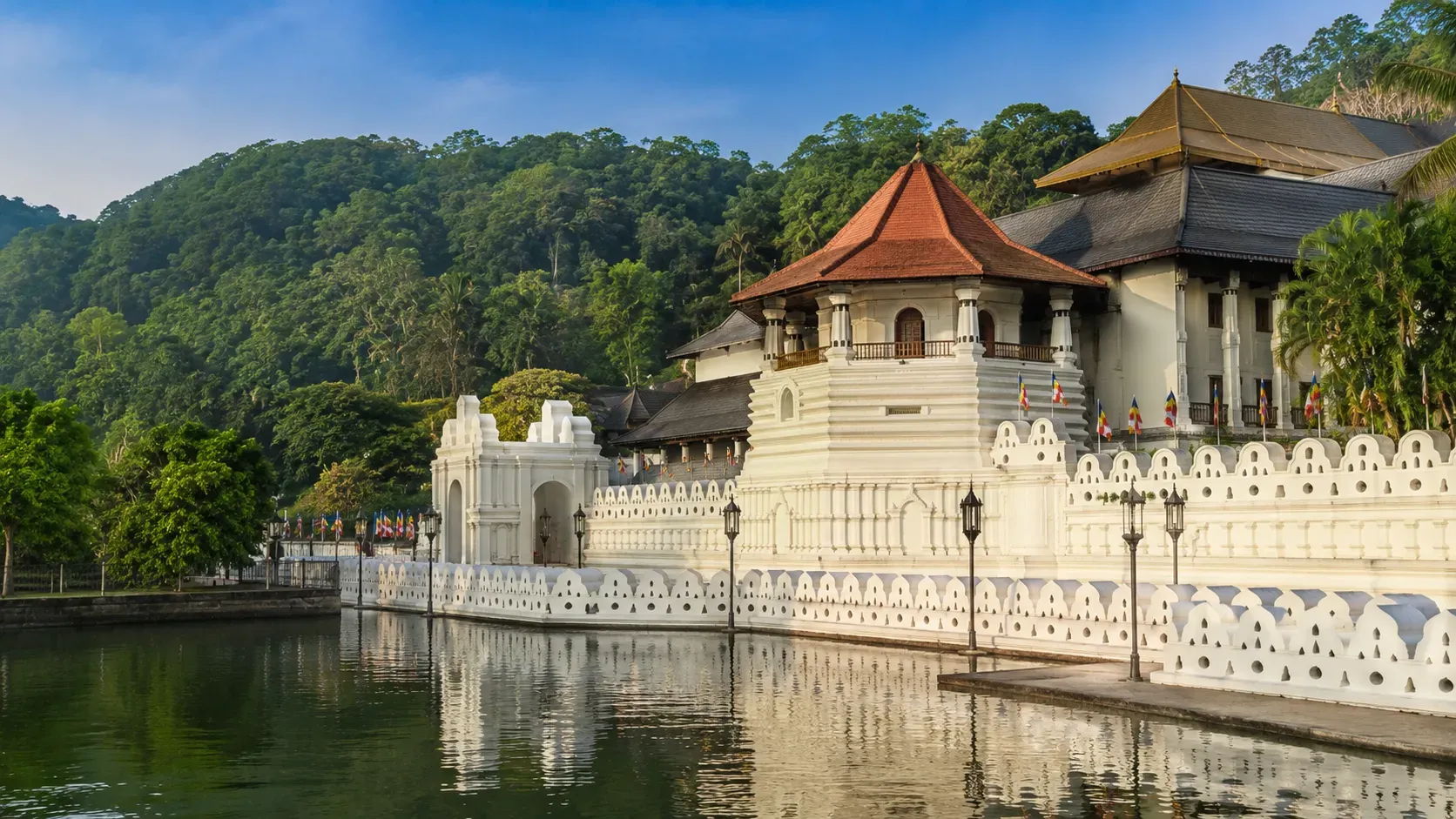
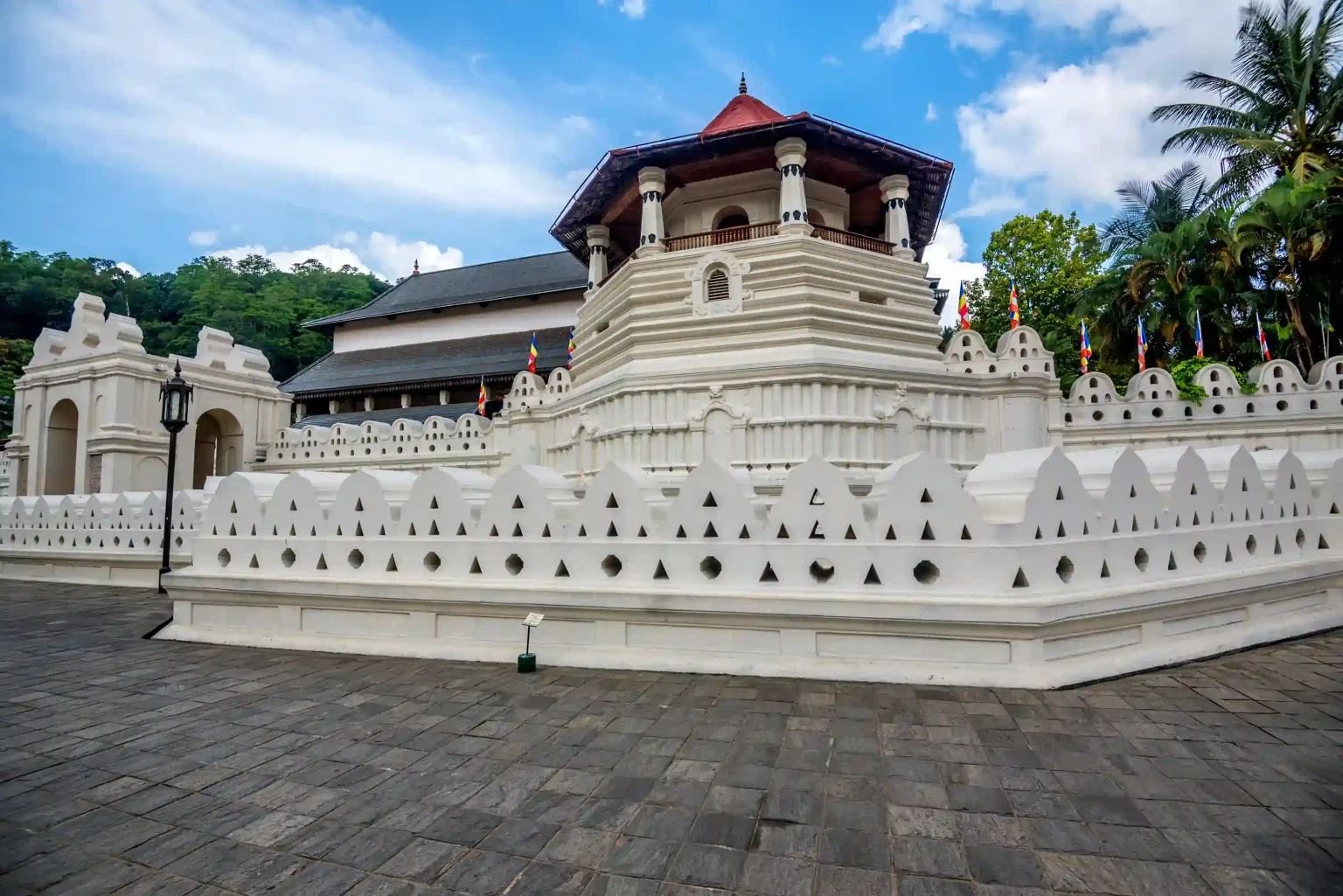
The Temple of the Sacred Tooth Relic (Sri Dalada Maligawa) is the most sacred Buddhist site in Sri Lanka. It is believed to house a tooth relic of the Buddha and draws thousands of visitors daily.
- Entry fee: From 1 July 2026, tickets are revised to LKR 3,000 (approx. USD 10) for most foreign visitors and LKR 2,500 for SAARC, Thailand, and Myanmar nationals. The ticket covers the Dalada Museum, World Buddhist Museum, Tusker Museum, and Royal Elephant Stable
- Opening hours: Daily from 5:30am to 8:00pm
- Daily rituals (Thewawa): Three times a day at 5:30am, 9:30am, and 6:30pm. These are worth timing your visit around
- Dress code: Shoulders and knees must be covered. No shorts, sleeveless tops, or body-revealing clothing. Shoes must be removed before entering the inner chambers
- Festival to know: The Esala Perahera (held in July or August) is a grand procession where the sacred tooth relic is carried through the streets on a decorated elephant, accompanied by traditional drumming and dancers. One of the biggest festivals in Sri Lanka
- Location tip: The temple sits beside Kandy Lake in the city centre. Combine your visit with a walk along the lake
Hike Adam’s Peak at Sunrise
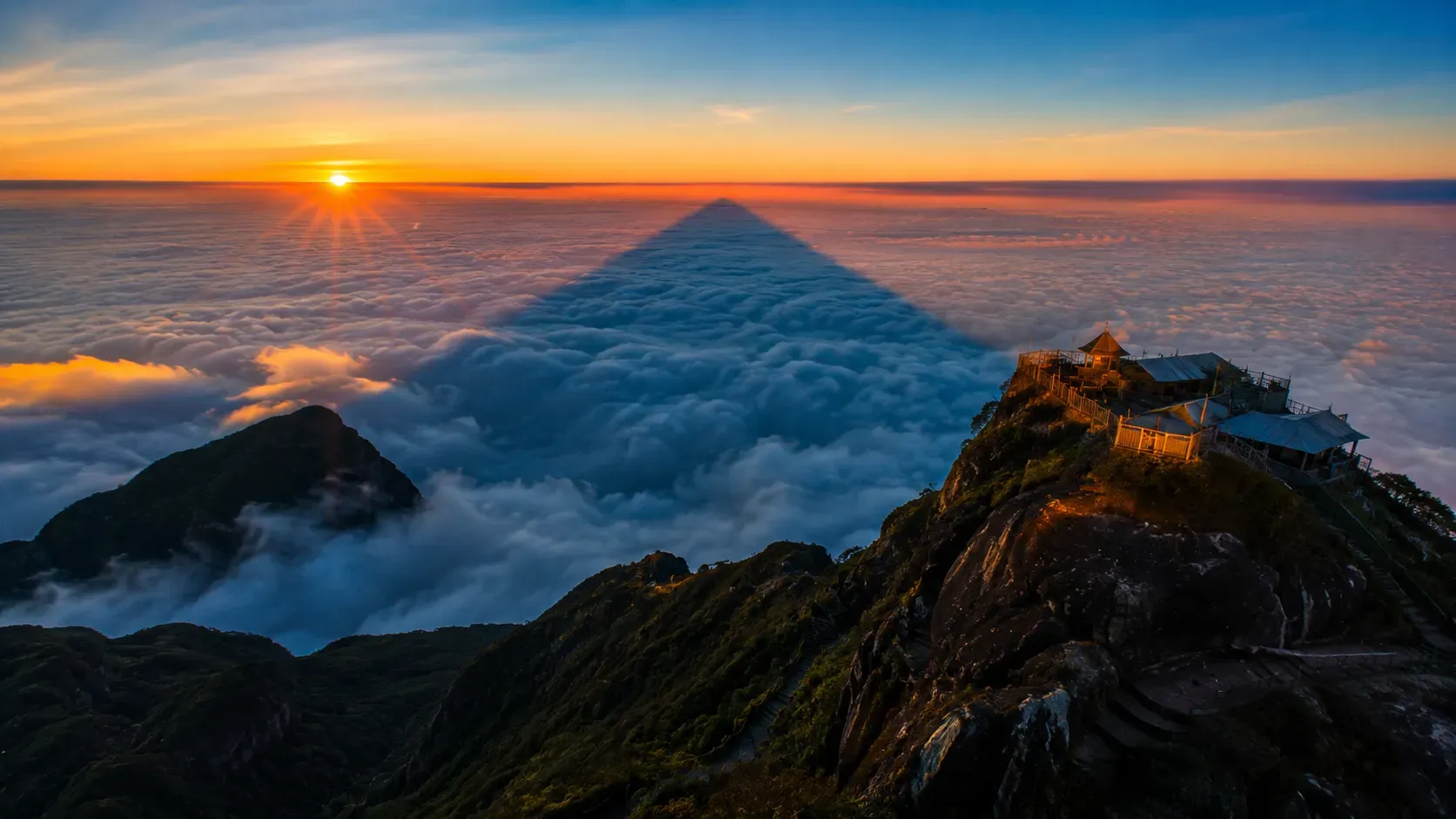
Adam’s Peak (Sri Pada) is one of Sri Lanka's most sacred mountains, revered across four religions. The climb is demanding, but the view from the top at sunrise makes every step worth it.
- Summit height: 2,243 metres above sea level. The Hatton (Nallathanniya) route, the most popular trail, involves around 5,500 steps
- Time to summit: Between 2 and 5 hours depending on your pace. Most hikers allow 3 to 4 hours
- Pilgrimage season: December full moon to April/May full moon. During this period, the trail is lit up, and small tea and food stalls are open along the route, which makes the night climb much safer and more social
- Best start time: Leave your base between 2:00am and 2:30am to reach the summit before sunrise (usually around 6:00 to 6:30am). Going too late means you miss the shadow spectacle at dawn
- Starting point: The small town of Dalhousie (Nallathanniya) is the trailhead for the Hatton route. Arrange a tuk-tuk from Hatton or Maskeliya if your accommodation is not within walking distance
- Entry fee: No formal fee to climb Adam’s Peak, but a donation is expected at the summit shrine
- Off-season note: May to November is the monsoon period. The path is not lit, and conditions can be slippery. Not recommended unless you are with an experienced guide
Where Can You Experience Sri Lanka's Wildlife?
Sri Lanka packs an extraordinary amount of wildlife into a very small island. With 15 national parks, you have real choices. This section covers the most reliable spots for seeing a Sri Lankan elephant and the parks that give you the best safari experience. For wildlife lovers, the things to do in Sri Lanka are genuinely hard to match anywhere in Asia.
Spot a Sri Lankan Elephant on Safari
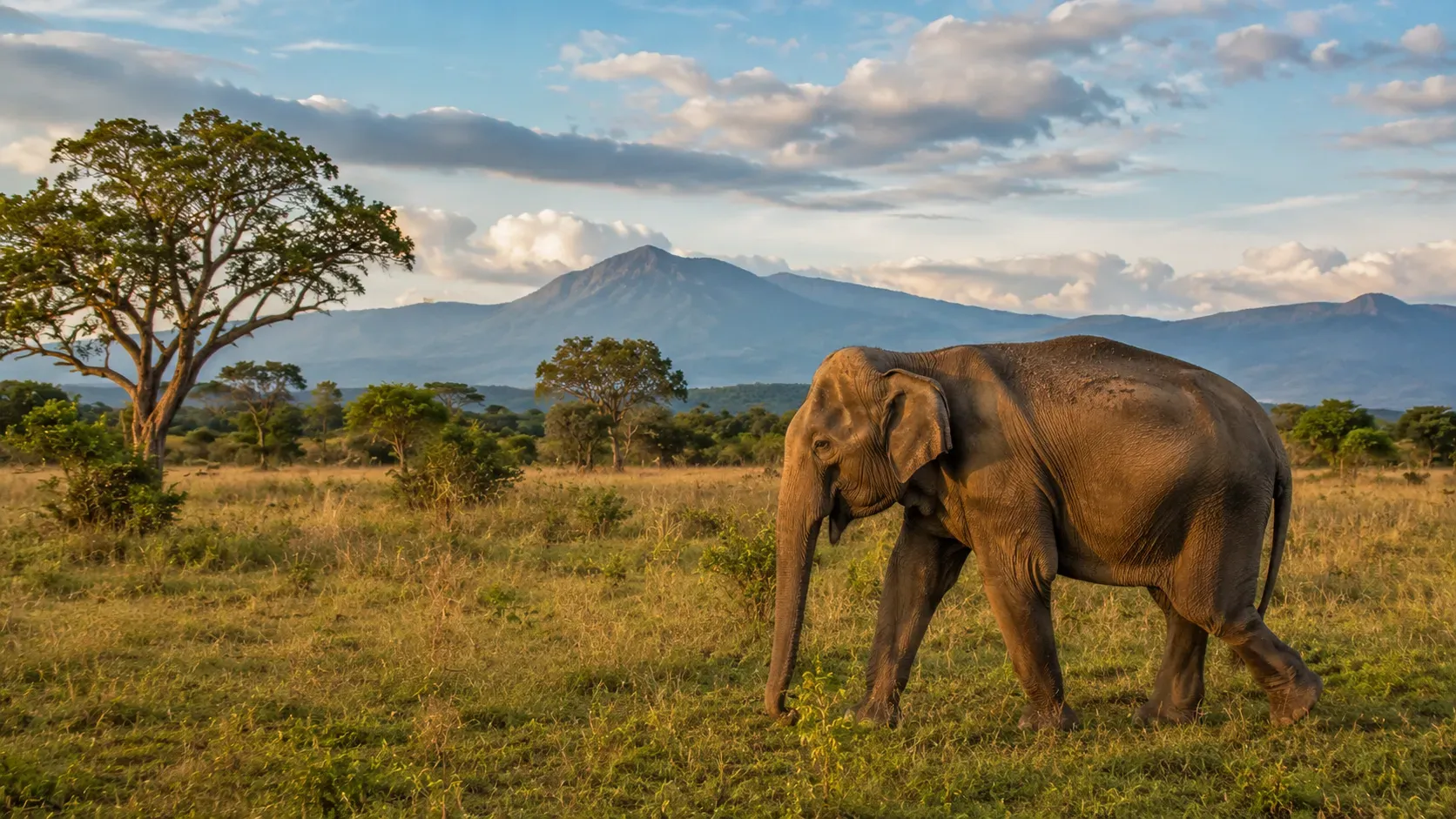
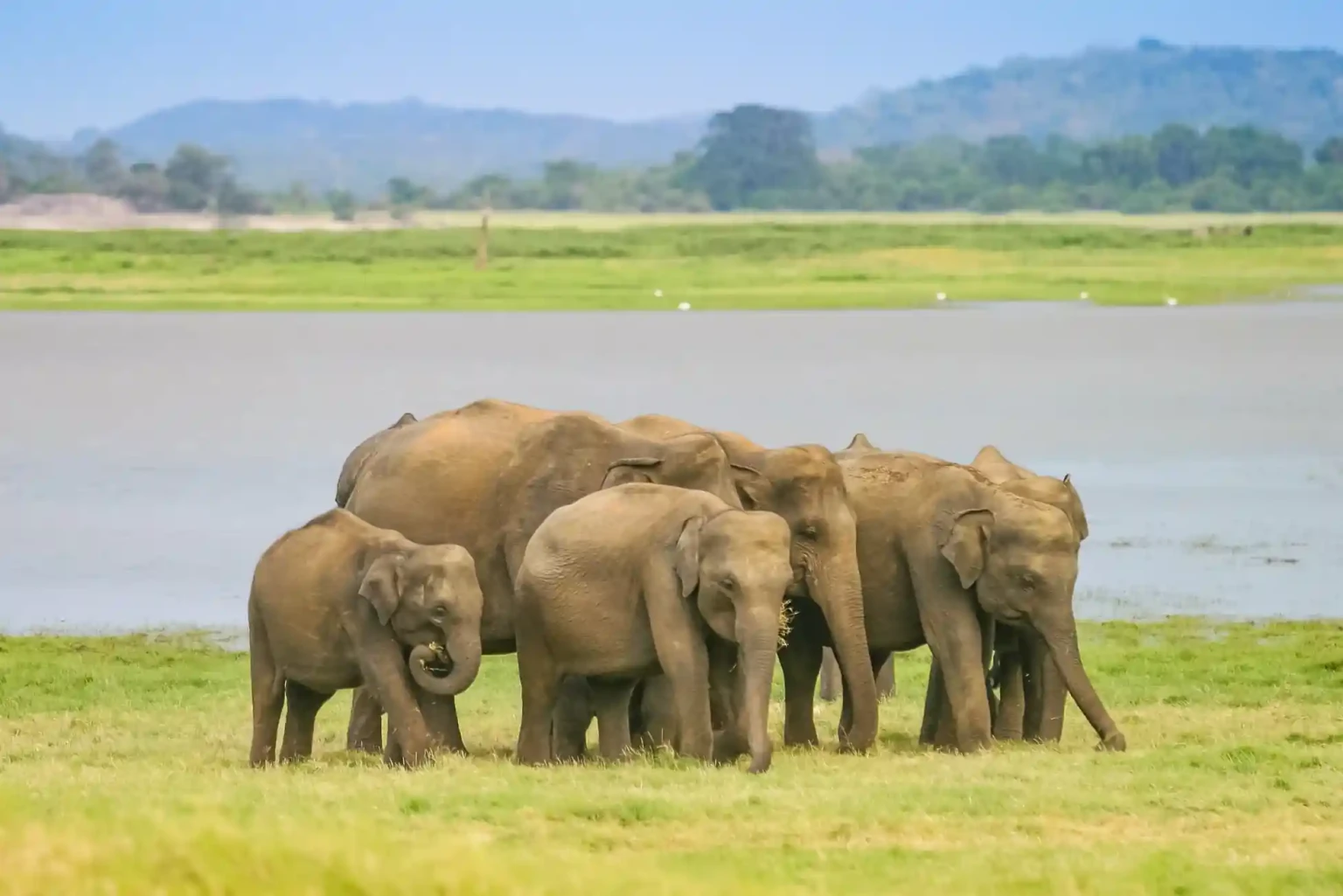
Seeing a Sri Lankan elephant in the wild is one of those travel moments you don't forget. Sri Lanka has some of the highest concentrations of wild Asian elephants in the world.
Here is a quick comparison of the top parks for wildlife in Sri Lanka:
Park | Best For | Best Months | Approx. Cost (per person) |
Udawalawe | Sri Lankan elephant herds (year-round reliable) | Year-round | From USD $27 for 3 hrs |
Minneriya | "The Gathering" (hundreds of elephants at the reservoir) | July to October | From USD $25 for 3 hrs |
Kaudulla | Sri Lankan elephant, quieter than Minneriya | July to October | From USD $20 for 3 hrs |
Yala | Leopards (highest density in the world), sloth bears, crocodiles | February to October | From USD $45 all-in |
Wilpattu | Leopards, quiet atmosphere, villus (natural lakes) | May to September | From USD $35 all-in |
Tips before you book:
- Morning (7am) and afternoon (3pm) slots give the best sightings. Midday is when animals rest and are harder to spot
- All safaris in Sri Lanka are done in shared or private jeeps with a licensed guide
- Avoid elephant rides and elephant orphanages that allow physical contact; these are not ethical wildlife experiences
- Book your jeep in advance during peak season (December to March), as slots fill up fast
What Are the Best Things to Do in Ella, Sri Lanka?
Sri Lanka’s central highlands feel completely different from the coast. The air is cooler, the hills are covered in tea estates, and the scenery changes every few kilometres. The famous Kandy to Ella train passes through its most scenic stretches, and Ella serves as the most popular base for things to do in Sri Lanka's hill country.
Ride the Kandy to Ella Train
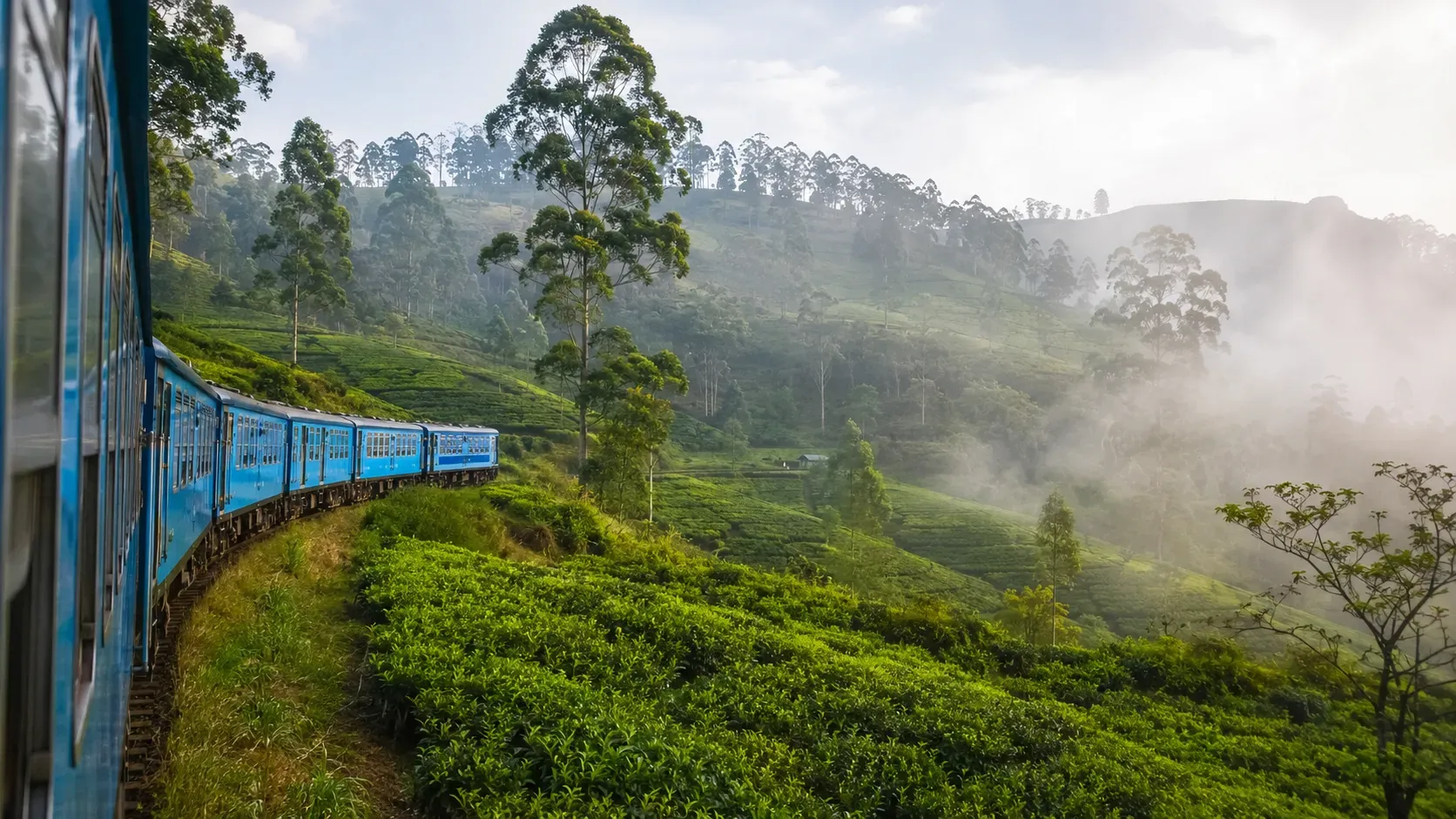
The Kandy to Ella train is widely called one of the most scenic rail journeys in the world. It winds through tea estates, misty mountains, and small hill stations for about 7 hours.
- Route: Kandy to Ella (or Badulla). The full journey takes approximately 7 hours
- Blue train departure from Kandy: 08:47am. This is the one most travellers aim for. The red train covers the same route with the same views
- Ticket classes:
Class | Experience | Approx. Cost |
Third class | Wooden benches, no reservation, open doors, most social | From LKR 175 |
Second class | Reserved seat, open-door option, more comfortable | From LKR 800 |
First class | Air-conditioned, reserved, least atmospheric | From LKR 7,200 |
- How to book: Reserved seats for the Kandy to Ella train sell out fast, especially in peak season. Book in advance through the Sri Lanka Railways website or via your hotel
- Seating tip: Sit on the right side of the train when travelling from Kandy to Ella for the best valley and waterfall views
- Station to note: The train passes through Nanu Oya (for Nuwara Eliya), Haputale, and several small hill stations before reaching Ella
- Photography tip: Many travellers photograph the scenery from the open carriage door. Hold on securely and follow railway staff instructions at all times.
Note (July 2026): The Kandy end of this route is currently suspended following damage from Cyclone Ditwah in late 2025. The scenic highland journey is still running, but it currently begins at Ambewela rather than Kandy. Travellers can cover the Kandy-to-Ambewela leg by car and join the train there. Reconfirm the current status via the official Sri Lanka Railways website before booking.
Things to Do in Ella Sri Lanka
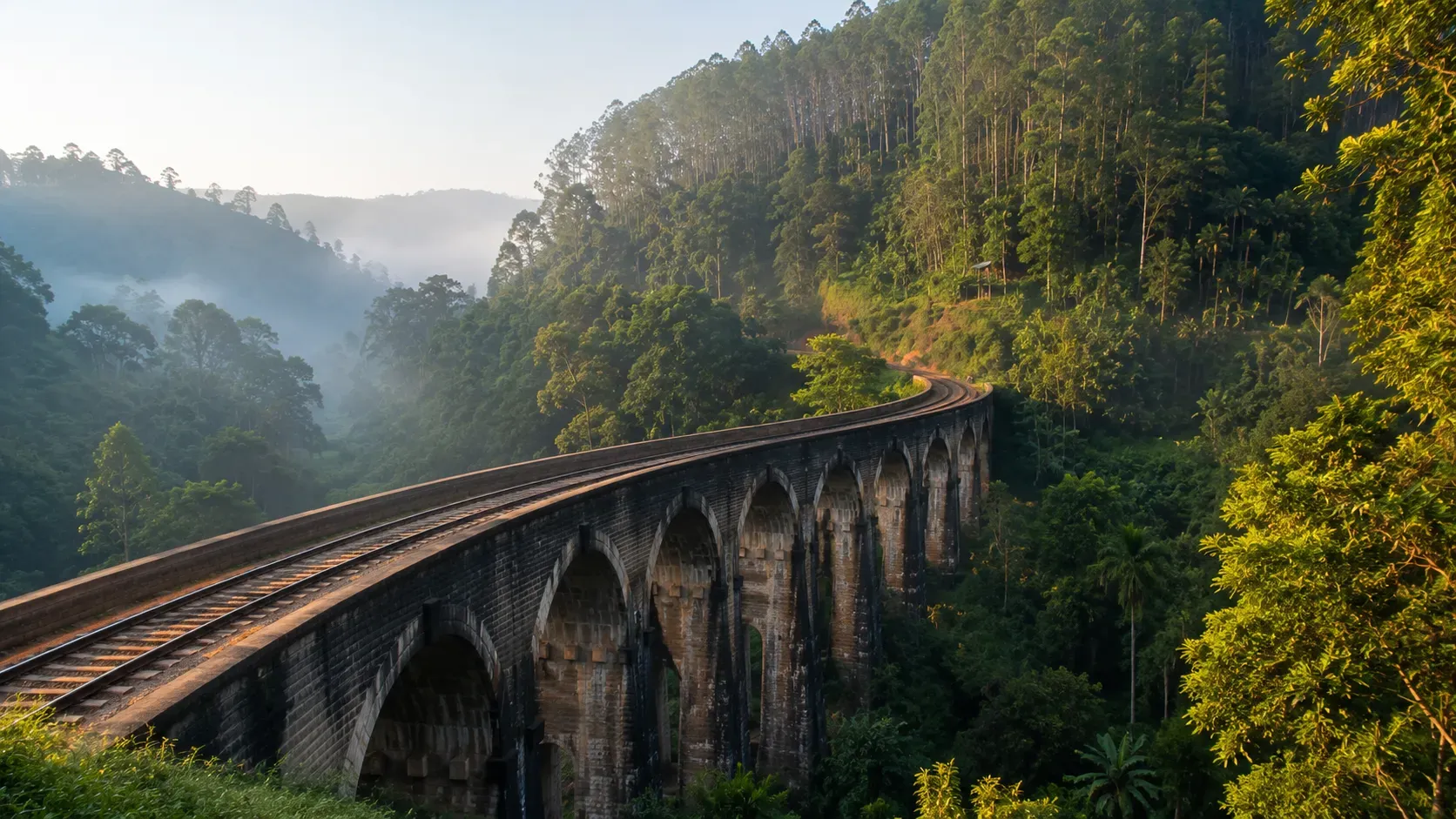
Ella is a small hill town with a lot to offer. Here are the top things to do in Ella, Sri Lanka, if you have a day or two.
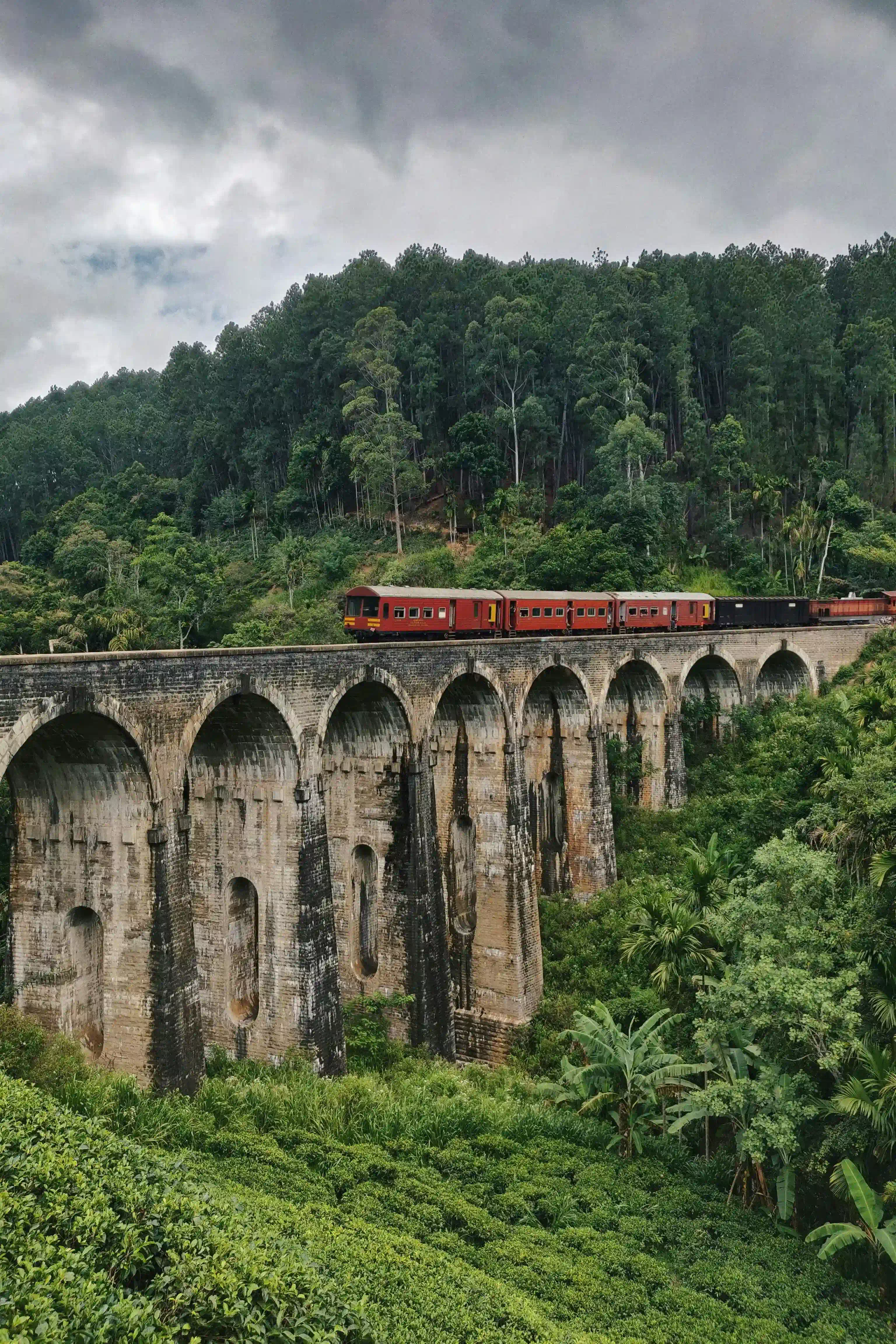
- Nine Arch Bridge: The Nine Arch Bridge is the most photographed structure in Ella. Built in the early 20th century during British colonial rule, using brick, stone, and cement, entirely without steel, it sits inside a valley of jungle and tea. To see it best, the viewpoint from the tea plantation above the bridge gives the clearest full-arch shot. Ask locally for the train timetable so you can time your visit to watch it cross. Get there before 8am to have it mostly to yourself; it gets busy by mid-morning.
- Little Adam's Peak: A 45-minute hike from Ella town through tea estates and along the valley ridge. Comfortable walking shoes are enough. Sunrise and sunset are both popular. Dogs often join you near the top.
- Diyaluma Falls: Sri Lanka's second-highest waterfall, with natural rock pools at the top that form a natural infinity pool effect. It is about a 30-minute hike from the village of Poongalla to the upper pools. Only safe to swim in during the dry season (roughly November to April).
- Halpewatte Tea Factory: Located 20 to 30 minutes from Ella, this working Ceylon tea factory offers guided tours of the full production process, from leaf to cup. Tours include a tasting session with views of the valley. Entry from LKR 3,000 per person.
What Are the Top Things to Do in Galle, Sri Lanka?
Sri Lanka’s south coast is where history and the sea come together. Galle is the island’s most historic town, and it gives you a full day's worth of things to do in Galle, Sri Lanka, all within a walkable area. Things to do in Sri Lanka along the south coast beyond the fort walls as well.
Things to Do in Galle Sri Lanka
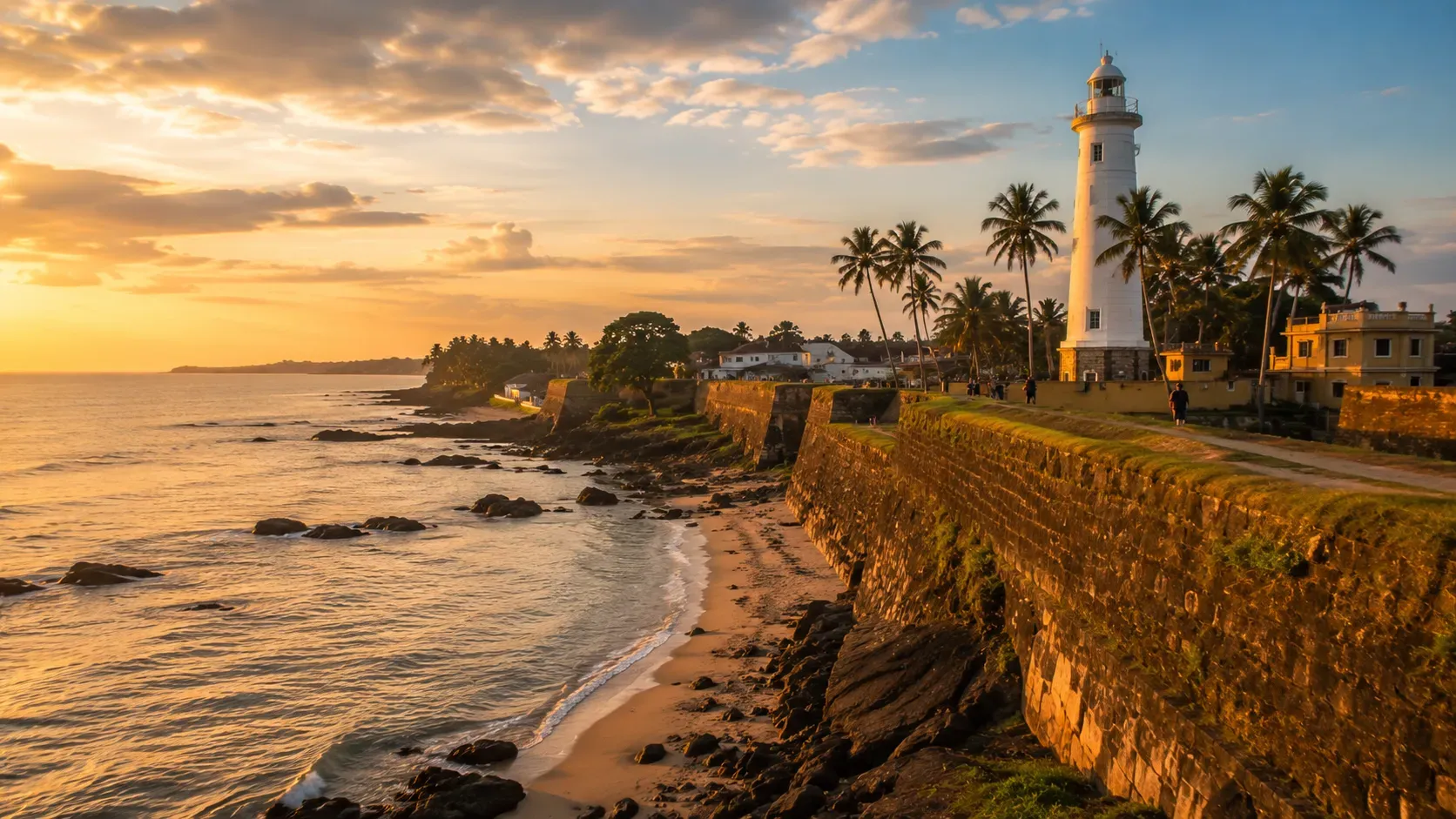
Galle Fort, a UNESCO World Heritage Site, was first built by the Portuguese in the 16th century and expanded by the Dutch in the 17th century. Covering 52 hectares, it’s one of Asia’s best-preserved colonial sea fortresses in Asia. The things to do in Galle, Sri Lanka, go well beyond the walls.
Inside the Fort
- Walk the fort walls: The full circuit is about 3 km. You get ocean views on the seaward side and colourful colonial streets on the other. The best sunset point is Triton Bastion on the southwest corner of the walls
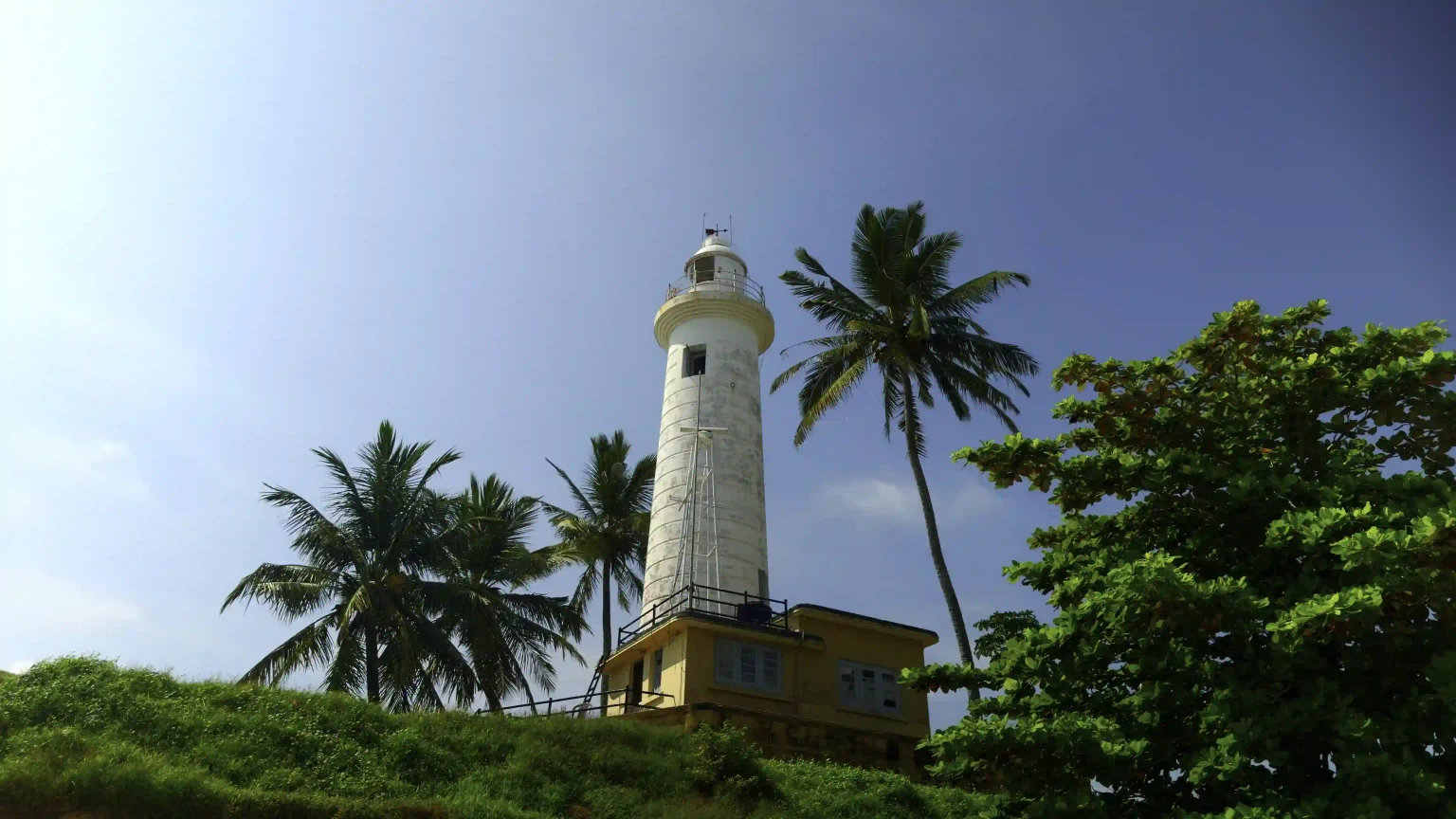
- Galle Lighthouse: Located on the southern tip of the fort. The current lighthouse dates from 1939 and is one of the most recognised sights in Galle
- Dutch Hospital: One of the oldest buildings inside the fort, now a dining and shopping precinct. Good spot for lunch or coffee between sightseeing
- National Maritime Museum: Housed in a 17th-century Dutch warehouse, with exhibits on Sri Lanka's seafaring history
- Flag Point and Fort Clock Tower: Two other landmarks worth a short stop on your walk along the ramparts
Short getaways from Galle:
Destination | What to do | Best Months | Distance from Galle |
Mirissa | Whale watching (blue and sperm whales) | November to April | 40 mins by car |
Rekawa Beach | Sea turtle nesting and hatchlings | October to April | 1 hr by car |
Unawatuna | Swimming, snorkelling, beach relaxation | November to April | 10 mins by car |
Hiriketiya Bay | Surfing, beach cafes, calm Cove Beach | November to April | 1 hr by car |
Practical tips for things to do in Galle, Sri Lanka:
- Best time to visit Galle Fort: December to March for dry, comfortable weather
- Entry to the fort itself is free; individual museums have small fees
- Wear comfortable shoes for the cobbled streets and rampart walk
- The fort gets busy midday; early morning or late afternoon are quieter and cooler
Where Can You Surf and Unwind in Sri Lanka?
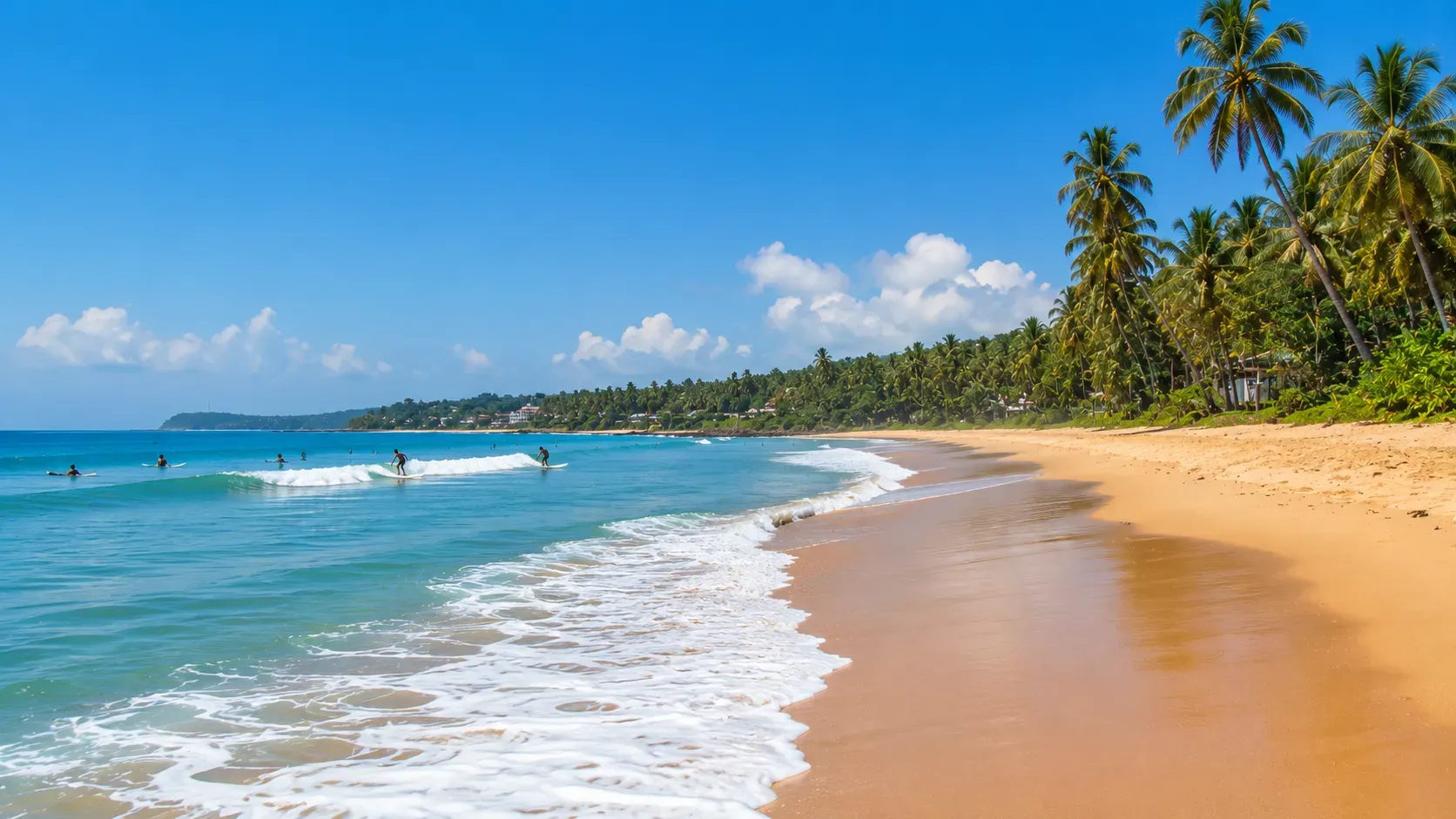
Sri Lanka’s south coast is one of Asia’s easiest places to surf, with warm water and gentle waves all year. The island is also a top spot for yoga and Ayurvedic wellness. Here are the key things to do in Sri Lanka to stay active.
Top Surf Beaches at a Glance:
Beach | Coast | Best For | Best Months |
Weligama | South | Beginners, gentle beach break | November to April |
Hiriketiya Bay | South | Beginners to intermediate, bay waves | November to April |
Ahangama | South | Intermediate, consistent reef breaks | November to April |
Arugam Bay | East | Intermediate to advanced, right-hand point break | May to September |
Sri Lanka's two monsoon seasons work in your favour. When the south coast is in its off-season, Arugam Bay on the east coast fires up. This means you can surf in Sri Lanka almost any time of year if you pick the right coast.
Surf and Yoga Retreats Worth Knowing:
Retreat | Location | Style | Key Inclusions |
Soul & Surf | Ahangama | Boutique B&B + luxury lodge (Tekanda) | Surf lessons, yoga, meals, transfers |
Salt Pelican | Hiriketiya Bay | Relaxed, community-style | Surf guiding, board hire, accommodation |
La Point | Ahangama | Structured surf school camp | Daily surf coaching, video analysis, yoga |
Surf Camp Arugam Bay | Arugam Bay | East coast surf camp | Lessons, accommodation, local guides |
- Lessons at most surf schools start from LKR 3,000 to 5,000 (approx. USD 10 to 16) per session
- Board rentals are available at all four main surf beaches
- Many hotels along the south coast offer free board rental to guests during peak season
Ayurvedic Wellness
- Ayurveda is a traditional Indian healing system focused on balancing the body through diet, massage, herbal treatments, and yoga. Sri Lanka has a long tradition of Ayurvedic wellness, and many retreats combine herbal treatments, massage, yoga, and personalised meal plans.
- Tangalle and the south coast have the highest concentration of Ayurvedic retreat options
- A typical multi-day stay includes daily massage treatments, yoga sessions, Ayurvedic meals, and guided meditation
- Look for retreats offering Panchakarma, a specific cleanse and rejuvenation programme, if you want a more structured health experience
What Should You Know Before Visiting Sri Lanka?
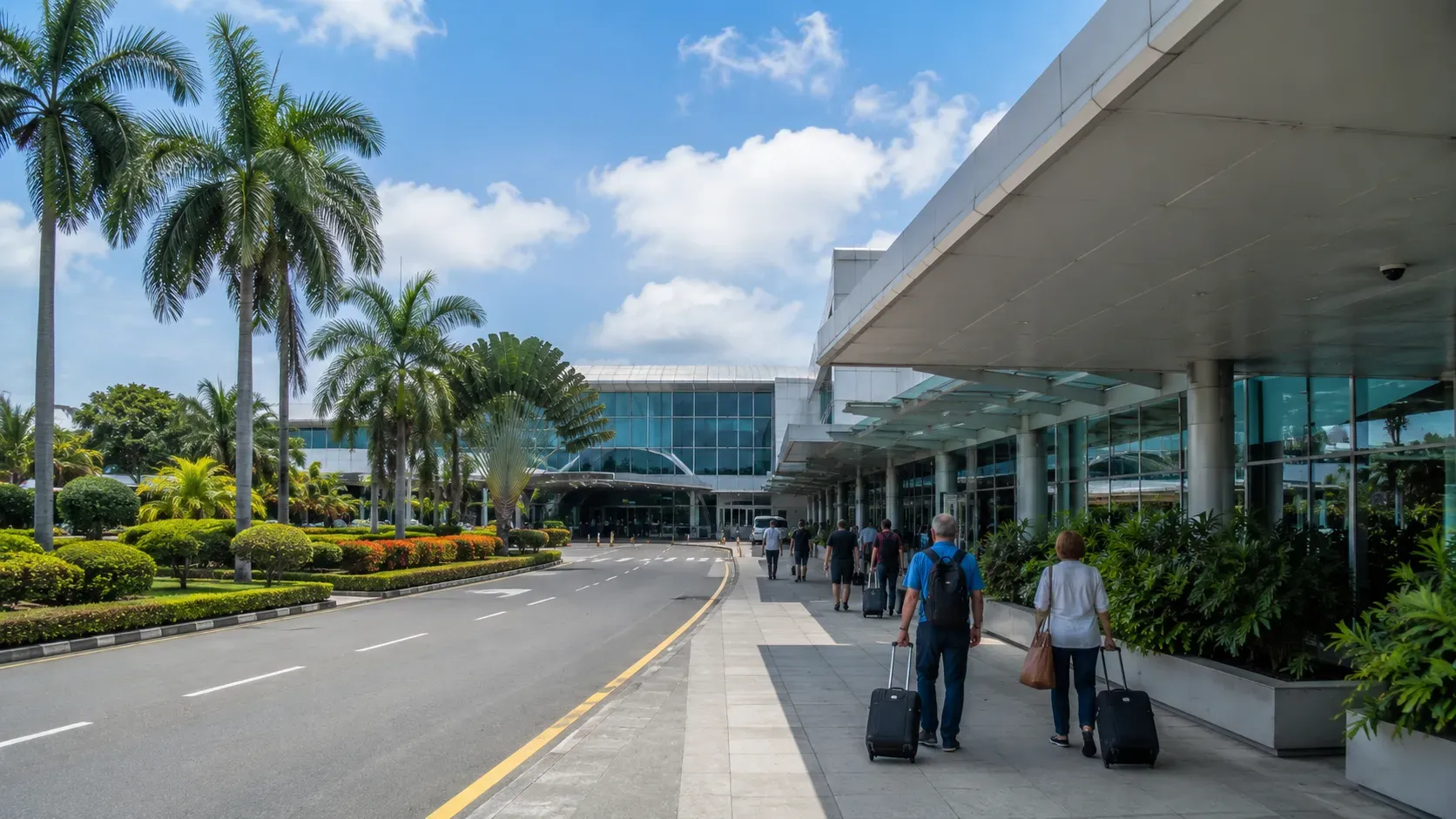
Currency | Sri Lankan Rupee (LKR) |
Language | Sinhala, Tamil, English widely spoken in tourist areas |
Plug Type | Type D and Type G (UK-style) |
Time Zone | GMT +5:30 |
International Dialling Code | +94 |
- Best time to visit: November to March for the south and west coast; May to September for the east coast (Arugam Bay)
- Visa: Most foreign travellers, including Indian passport holders, must obtain an Electronic Travel Authorization (ETA) before arrival through the official Sri Lanka Immigration website. Eligible nationals from 40 countries currently receive a free 30-day tourist ETA, though travellers should always check the latest rules before booking.
- Getting around: Tuk-tuks for short distances; trains for scenic longer routes (the Kandy to Ella train is the one not to miss); private transfers for comfort between major towns
- Dress code: Cover shoulders and knees at all temples and religious sites, including the Temple of the Sacred Tooth Relic. Carry a light scarf for easy layering
- Water: Do not drink tap water. Stick to sealed bottled water throughout the island
- Cards vs cash: Hotels and larger restaurants accept Visa and Mastercard. Carry cash (LKR) for tuk-tuks, local food stalls, temple donations, and smaller towns
Final Takeaway
Sri Lanka is best enjoyed at a relaxed pace. You might stand at the base of Sigiriya before the crowds, spot a Sri Lankan elephant at dusk, ride the Kandy to Ella train through tea hills, and catch the sunset at Galle Fort. These experiences make the things to do in Sri Lanka feel truly special, not just items to check off a list.
Two weeks is a good amount of time to cover Sri Lanka. Three weeks is even better. No matter how long you stay, planning ahead helps you make the most of your holiday.
Holiday Tribe can help you create a well-paced, carefully planned Sri Lanka itinerary, from the hill country to the coast. Contact our team to start planning your Sri Lanka holiday.