

Everyone says the Amalfi Coast is beautiful. But no one explains how to pick from thirteen towns when you only have five days and the main road gets jammed with cars by late morning. That’s the real challenge, and this guide is here to help.
Here’s how it works. Thirteen Amalfi Coast towns line a single 40km road, the SS163, stretching from Positano in the west to Vietri sul Mare in the east. Ravello is set high above the sea, so it’s a bit different. Most travelers stay in Amalfi (central and well connected), Praiano (quieter with sunset views), or Sorrento just outside the coast (best for transport). From there, they take day trips by ferry or bus.
The must-see places on the Amalfi Coast below are listed from west to east, following the route you’d actually travel.
The 10 Best Places in Amalfi Coast to Visit
Each of these ten towns has its own personality. We’ve used the same practical headings for all, so you can easily compare them.
1. Positano
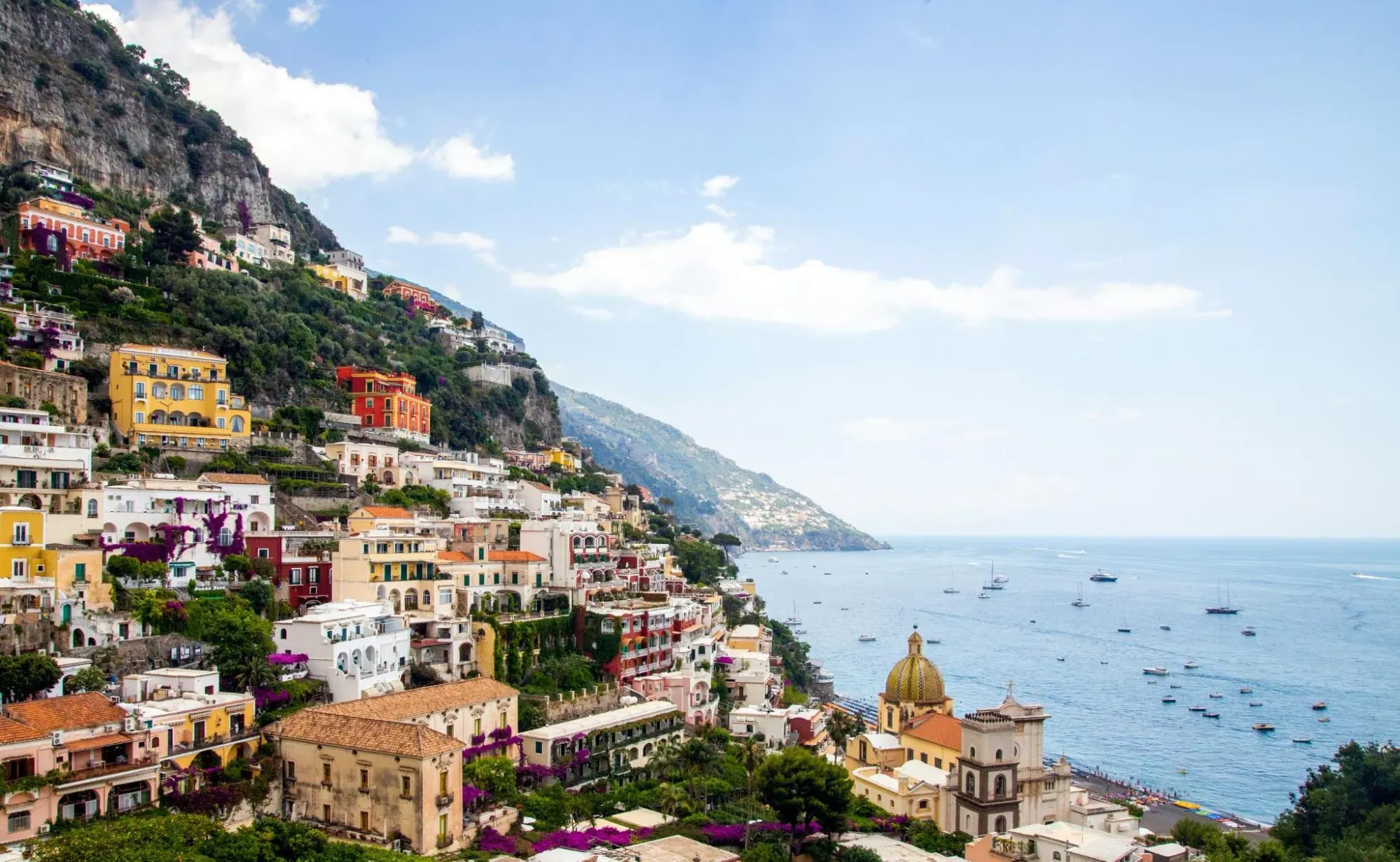
Positano is the town you see on every postcard. Its pastel buildings cascade down the cliff, and walking to Spiaggia Grande past the boutiques is part of the experience. It’s the most photographed and priciest town on the Amalfi Coast, so visit for the atmosphere rather than deals.
- Best for: First-timers, couples, that classic photo.
- Don't miss: Aperitivo above Spiaggia Grande, plus the quieter Fornillo beach a short walk west.
- Getting there: Ferry lands right on the beach. The SITA bus stops at "Sponda", then it is a 10-minute walk down.
- Good to know: Parking is scarce and pricey; arrive by sea if you can.
2. Praiano
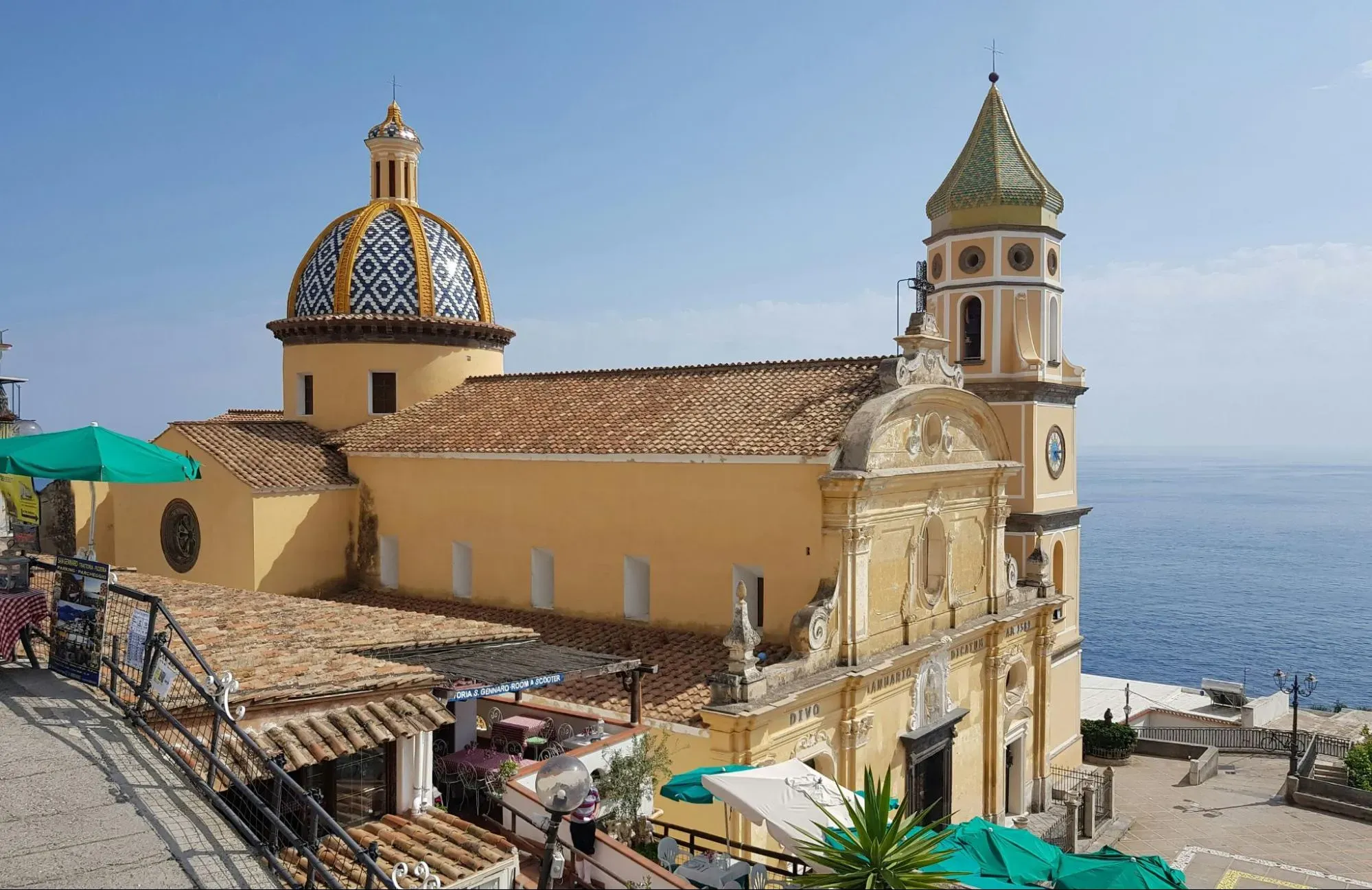
Praiano is known for its sunsets. Facing west, its evenings stay bright long after Positano is in the shade, and the town remains peaceful. The square outside the Church of San Gennaro, decorated with colorful tiles, is one of the prettiest places on the Amalfi Coast.
- Best for: A quieter base, sunset lovers, repeat visitors.
- Don't miss: A swim at the tiny Marina di Praia cove tucked under the cliffs.
- Getting there: SITA bus between Positano and Amalfi; ferries in summer.
- Good to know: Hillier than it looks, so pack decent shoes for the steps.
3. Furore
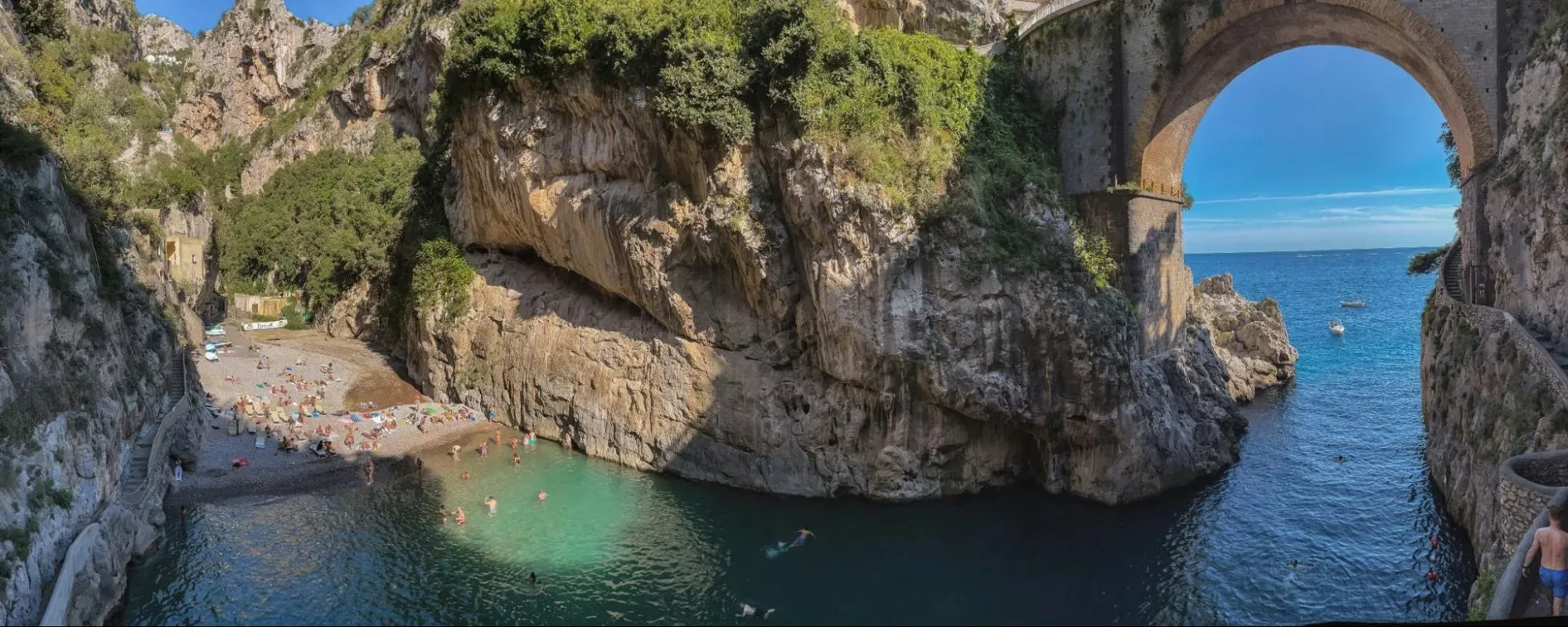
Furore is easy to miss, but it’s known for the Fiordo di Furore, a narrow sea inlet with a tiny beach under a bridge about 30 meters above. Many call it Italy’s only true fjord, and each summer, divers leap from the bridge in a high-diving contest.
- Best for: A quick wow, photographers, boat days.
- Don't miss: The view of the fjord from the water; it barely registers from the road.
- Getting there: Best seen by boat from below, or a fast stop on the SS163.
- Good to know: There is no real "town centre"; homes are scattered up the hillside.
4. Conca Dei Marini
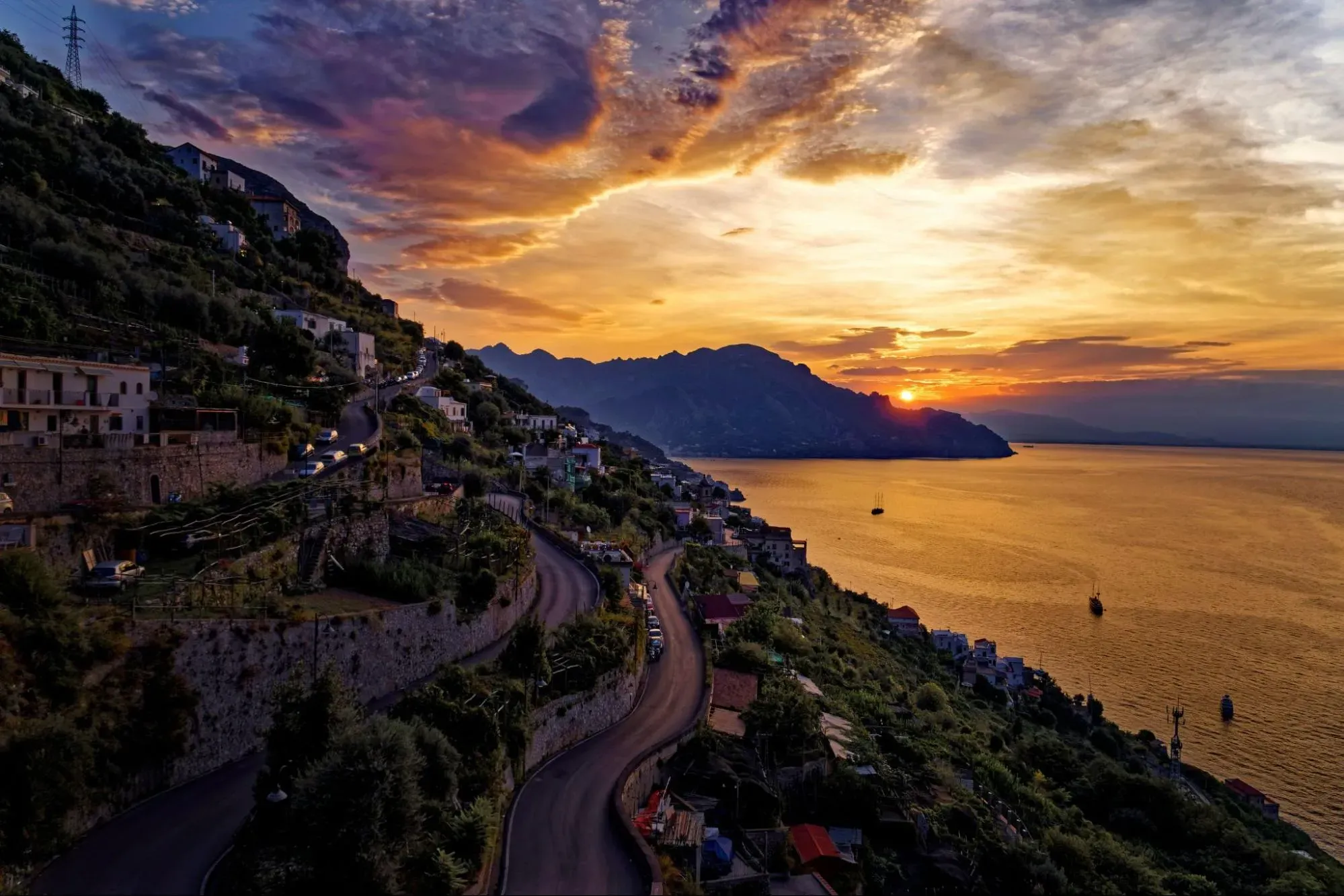
Conca dei Marini is small, peaceful, and a bit upscale. Locals come here when the busier towns get crowded. Its main attraction is the Grotta dello Smeraldo (Emerald Grotto), a sea cave that glows green from sunlight shining through the water. Fun fact: the sfogliatella Santa Rosa pastry was first made in a convent here.
- Best for: Peace, a scenic swim, food history buffs.
- Don't miss: A boat into the Emerald Grotto, best around midday.
- Getting there: SITA bus or boat from Amalfi.
- Good to know: The grotto closes in rough seas, so keep the plan flexible.
Tribe Travel Tip: Combine Furore and Conca dei Marini into one boat trip from Amalfi. Both places are much better seen from the water than from the road.
5. Amalfi
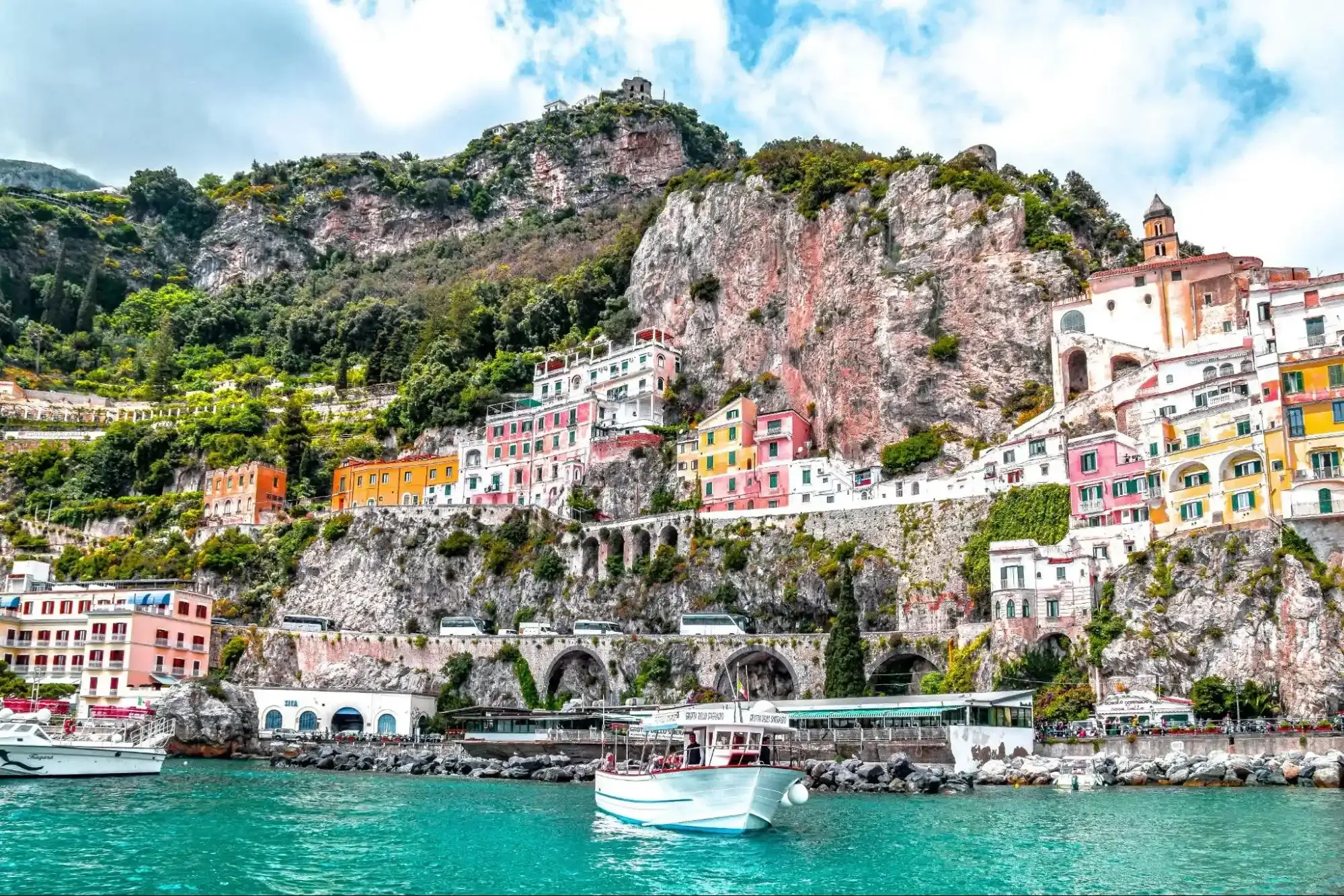
Amalfi gave the coast its name and remains its lively center. The Arab-Norman cathedral, Duomo di Sant'Andrea, stands above a busy square, and the nearby lanes hide the Paper Museum, where the town’s famous carta bambagina has been handmade since medieval times. Amalfi is also the main transport hub, so you’ll likely pass through often.
- Best for: History, connections, a central base.
- Don't miss: The Duomo staircase, the Paper Museum, and a pastry at Pansa.
- Getting there: The main ferry and SITA bus interchange for the coast.
- Good to know: A summer ZTL limits cars in the centre; arrive by ferry.
6. Atrani
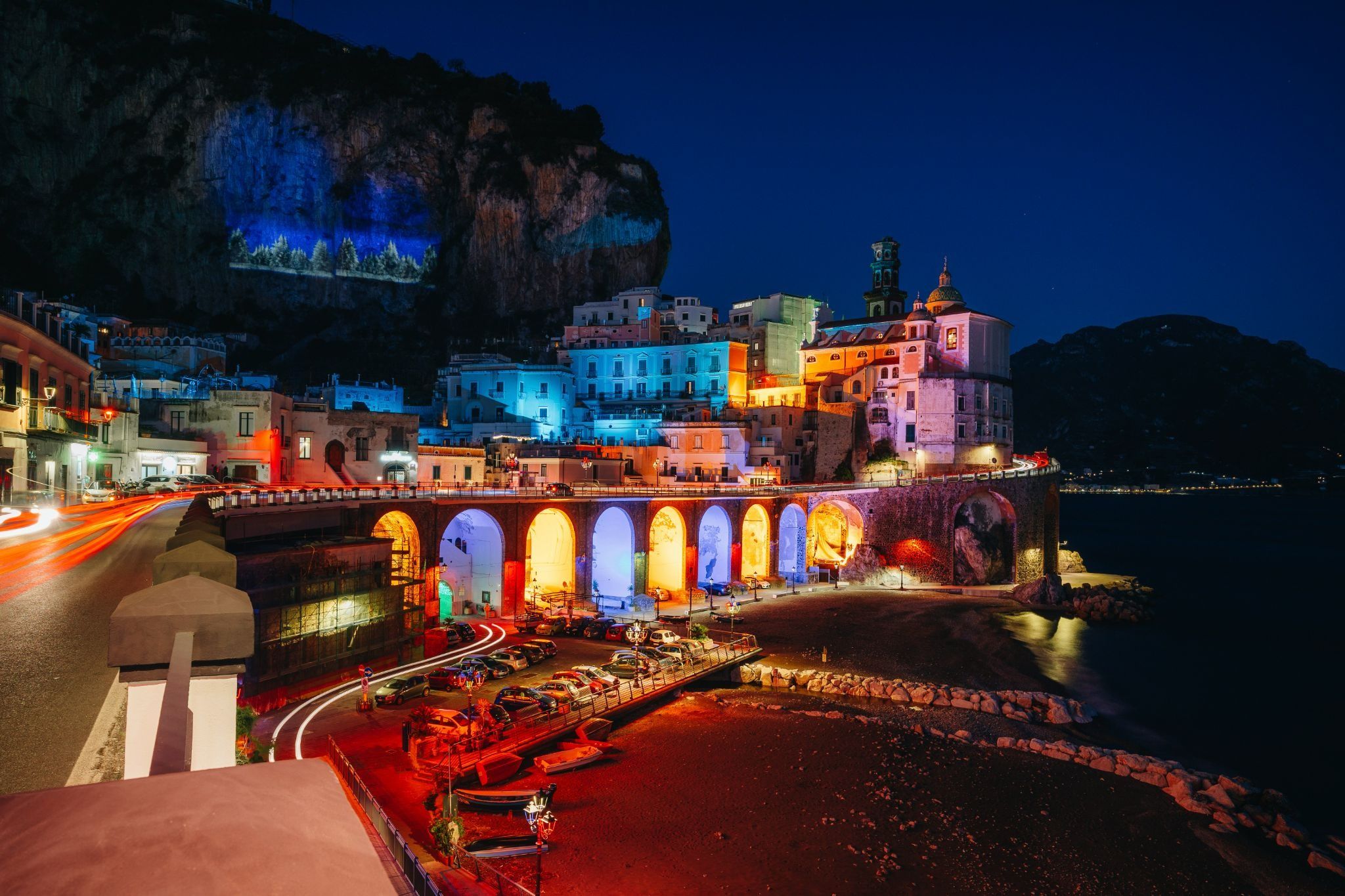
Atrani is just a 10-minute walk from Amalfi, but it feels much quieter. It’s one of the smallest towns in Italy, with arches, stairs, and a small square that still feels truly local. Here, you can eat where the locals do, including trying the unique local dish, sarchiapone (stuffed marrow).
- Best for: Authentic feel, slow lunches, avoiding crowds.
- Don't miss: The little beach and the tangle of covered passageways.
- Getting there: Walk from Amalfi along the seafront in minutes.
- Good to know: Rooms here are often calmer and better value than Amalfi's.
7. Ravello
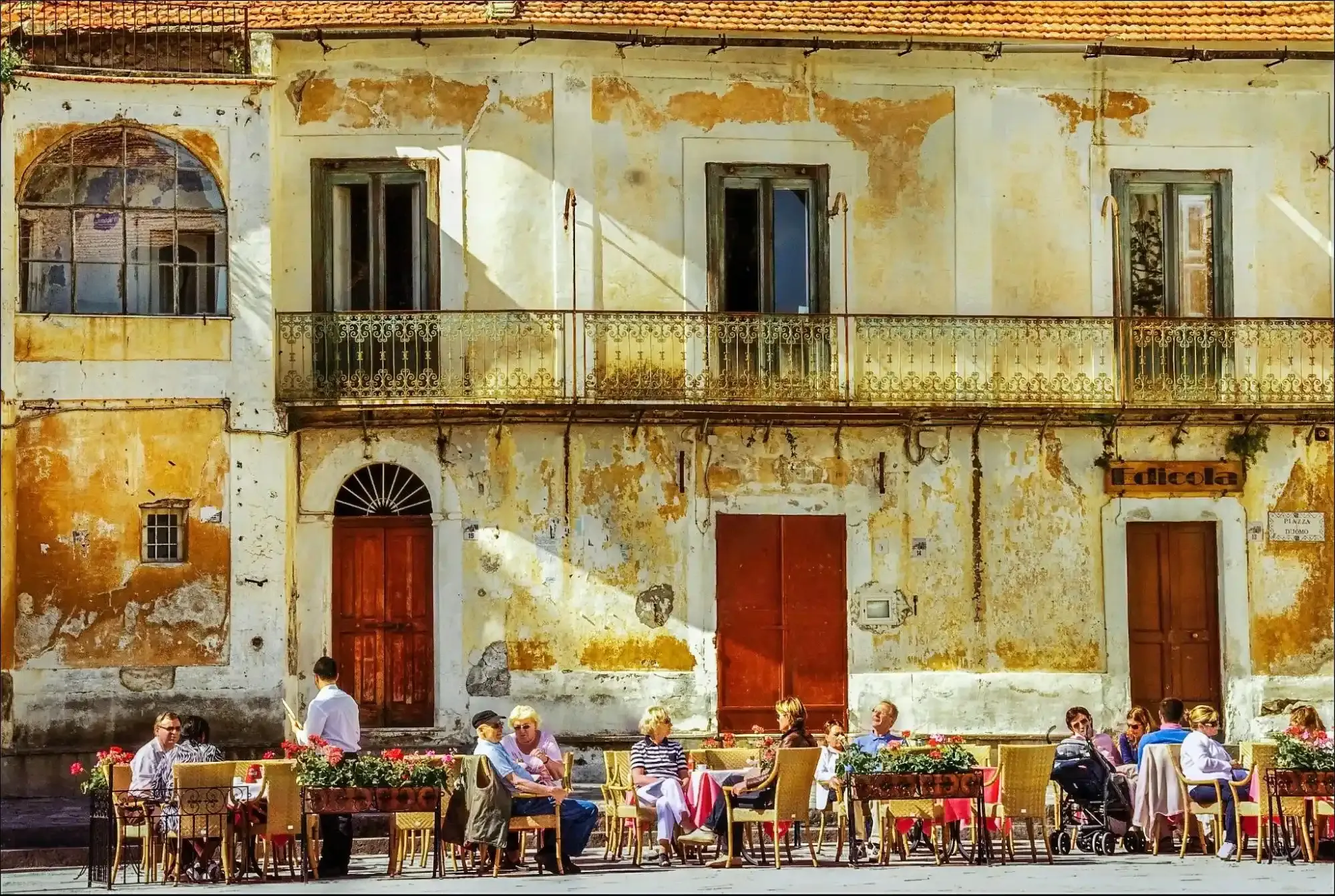
Ravello sits 350 meters above the sea, offering gardens and some of the best views on the Amalfi Coast instead of beaches. Villa Rufolo inspired Wagner and hosts the Ravello Festival each summer. Villa Cimbrone’s Terrace of Infinity overlooks the Gulf of Salerno.
- Best for: Gardens, classical music, honeymooners.
- Don't miss: Villa Cimbrone's terrace and a concert if you visit June to September.
- Getting there: SITA bus up from Amalfi (there is no ferry, as Ravello has no coast).
- Good to know: Bring a light layer; it is cooler and breezier up top.
8. Minori
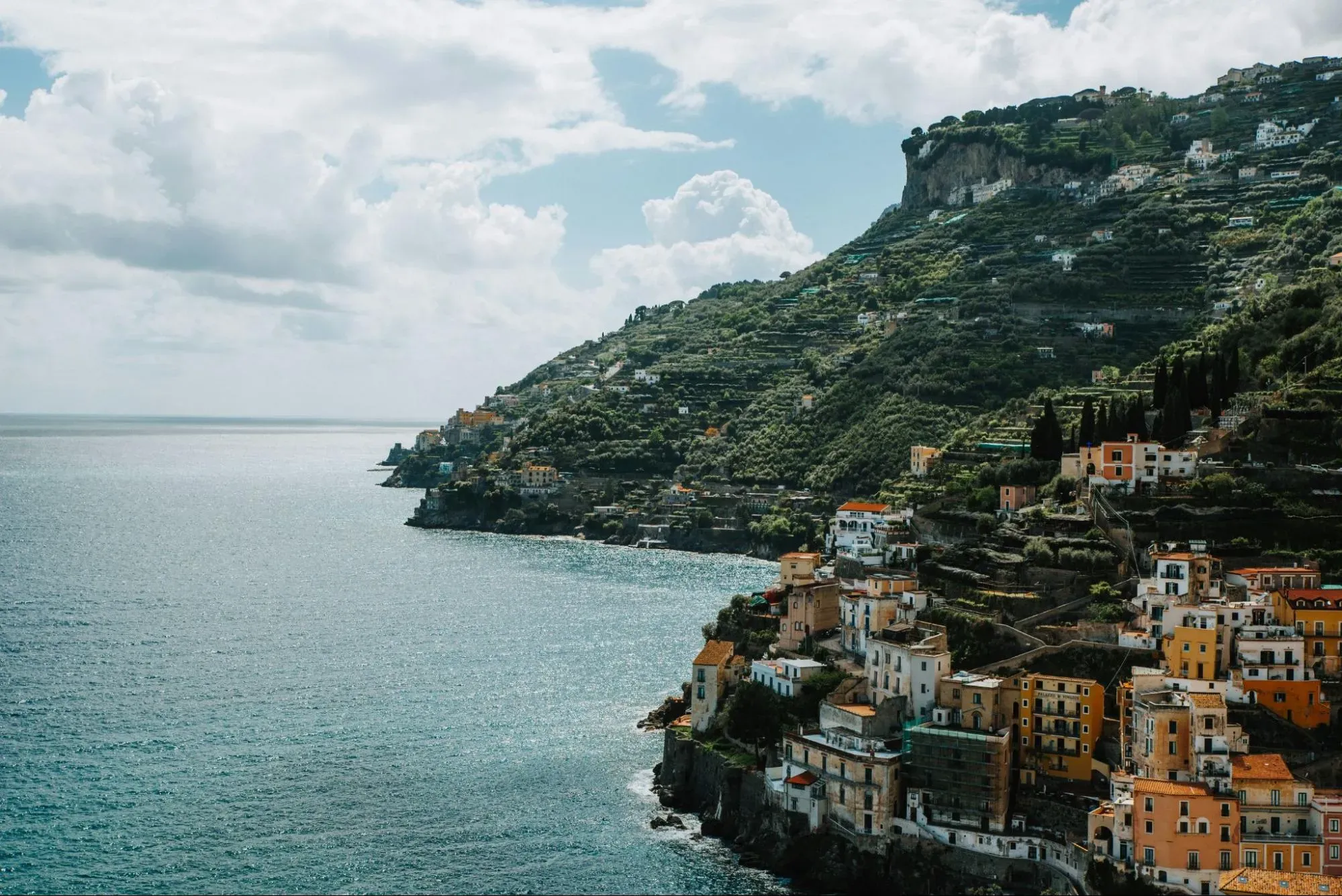
Minori is famous for its lemons. The easy Sentiero dei Limoni (Lemon Path) leads through lemon groves to nearby Maiori. The town is also a destination for dessert lovers, thanks to pastry chef Sal De Riso. His delizia al limone, a sponge cake soaked in limoncello and topped with lemon cream, is a must-try dessert.
- Best for: Families, food lovers, gentle walking.
- Don't miss: A delizia al limone and the 1st-century Roman villa in the centre.
- Getting there: SITA bus or seasonal ferry from Amalfi (about 5 minutes).
- Good to know: Flatter and calmer than the western towns, so easier with kids.
9. Cetara
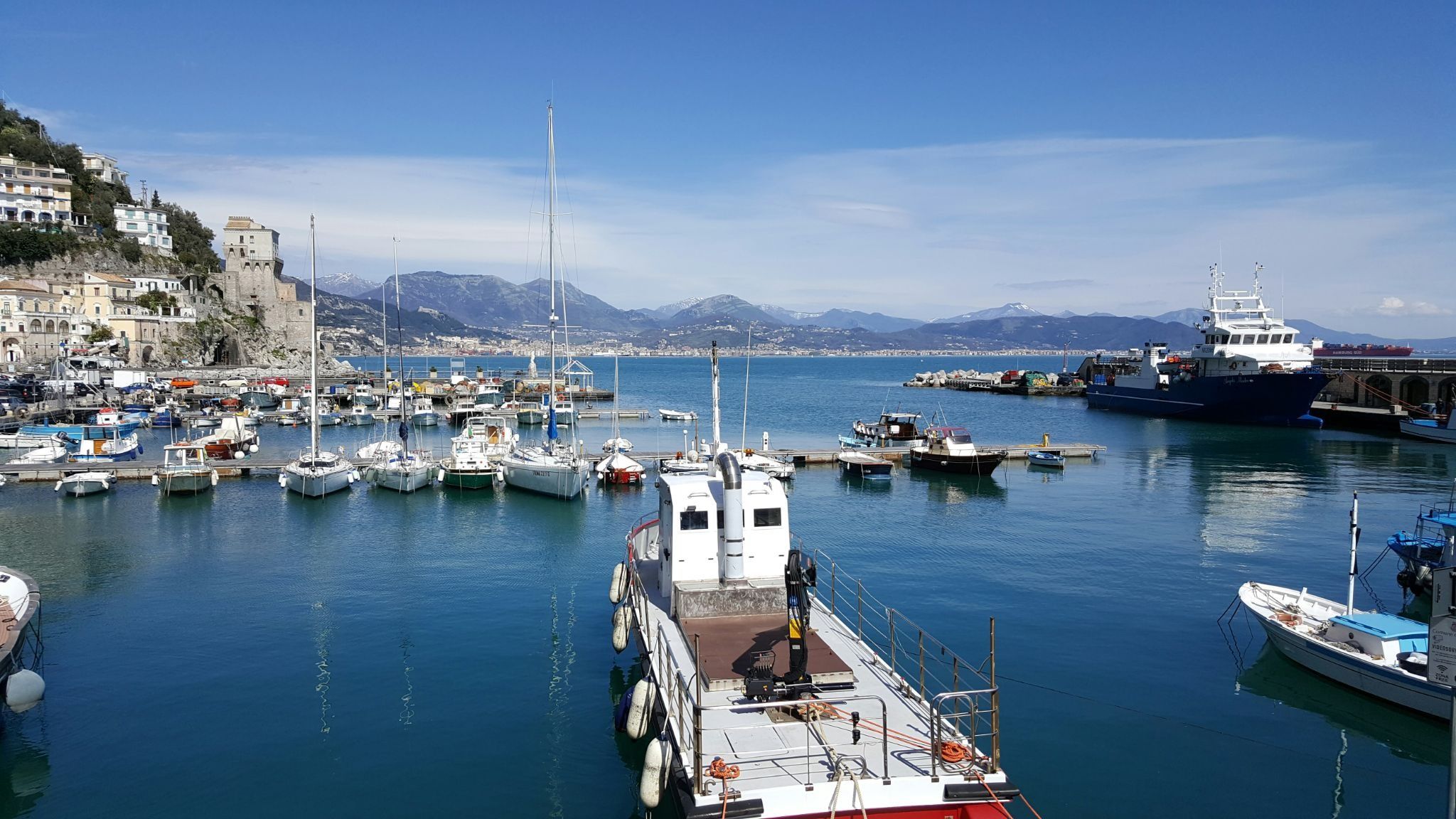
Cetara is a real working fishing village and a top spot on the Amalfi Coast for food lovers. Its specialty is colatura di alici, an amber anchovy sauce that comes from ancient Roman garum and is still made in wooden barrels. Try it over spaghetti and you’ll see why it’s so famous.
- Best for: Seafood, authenticity, an uncrowded beach.
- Don't miss: Pasta with colatura, ideally at a harbour-side trattoria.
- Getting there: SITA bus towards Salerno, or seasonal ferry.
- Good to know: Fewer international crowds means more genuine local prices.
10. Vietri Sul Mare
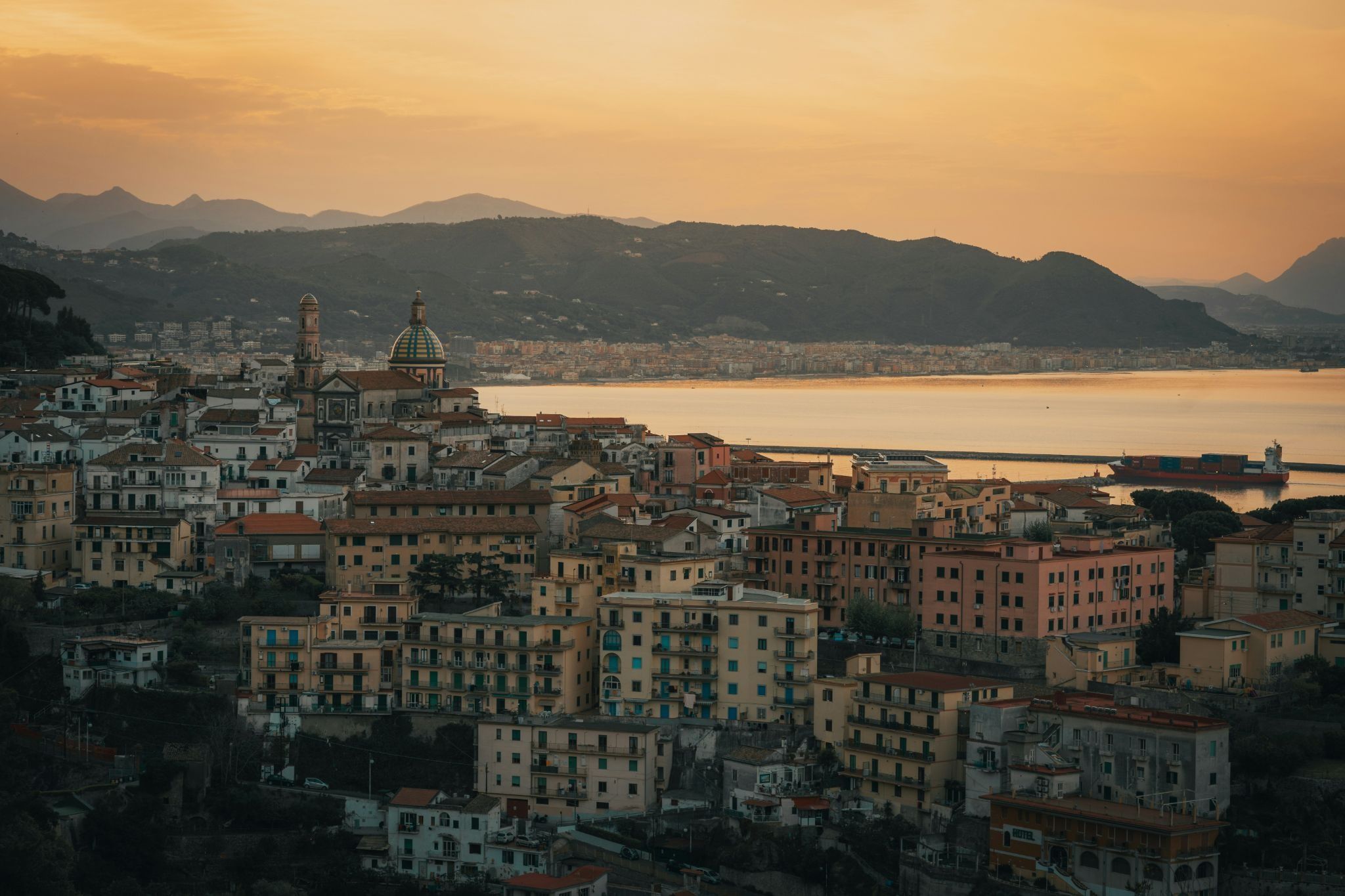
Vietri sul Mare is the eastern gateway to the coast and is famous for its ceramics. Hand-painted tiles decorate church domes, shopfronts, and street signs in a bright folk-art style, often featuring a donkey motif. It’s a great first or last stop if you’re coming from Salerno.
- Best for: Souvenir shopping, day-trippers from Salerno.
- Don't miss: The tiled dome of San Giovanni Battista and the ceramics workshops.
- Getting there: Quick bus or drive from Salerno; the closest town to the city.
- Good to know: Look for the "Ceramica Artistica e Tradizionale" stamp for the real thing.
Here’s a quick look at how the Amalfi Coast attractions compare:
Town | Best For | How To Reach |
Positano | The classic look, couples | Ferry (lands on beach), SITA bus |
Praiano | Quiet base, sunsets | SITA bus, summer ferry |
Furore | The fjord, photos | Boat, SS163 stop |
Conca dei Marini | Calm, Emerald Grotto | Boat or bus from Amalfi |
Amalfi | History, connections | Main ferry and bus hub |
Atrani | Authentic, value | Walk from Amalfi |
Ravello | Gardens, music, views | SITA bus (no ferry) |
Minori | Families, lemons, pastry | Bus or short ferry |
Cetara | Seafood, fewer crowds | Bus, seasonal ferry |
Vietri sul Mare | Ceramics, day trips | Bus from Salerno |
When to Go and How to Get Around
On the Amalfi Coast, timing makes all the difference. If you visit at the right moment, the villages are relaxed and welcoming. If not, you might find yourself spending most of your holiday waiting in line.
Season | What To Expect |
April to early June | Sweet spot. Warm, lemon blossom, full ferry schedules, manageable crowds. |
Mid-June to August | Peak. Beautiful but hot and packed, with traffic rules and pricey rooms. |
September to mid-October | The other sweet spot. Clear air, warm sea, thinner crowds. |
November to March | Very quiet. Some ferries, restaurants and the Emerald Grotto reduce hours or close. |
Before you book your stay on the Amalfi Coast, here are three quick tips to help you get around:
- Ferries are the best choice during the main season, from about April to October. They avoid traffic and give you great views of the coast. If you plan to travel in July or August, book your tickets in advance.
- The SITA bus is an affordable option that runs all year and covers the entire route for just a few euros. In summer, it can get crowded, so you might have to stand. Try to board at the starting point in Sorrento or Salerno if you want a seat.
- Driving is much easier outside of the busy season. In summer, special zones and license plate rules make it tough to drive into the towns. Spring and autumn are much more relaxed for drivers.
Ready to Plan Your Amalfi Coast Escape?
What makes the Amalfi Coast so special is that every town has its own unique feel. Positano is all about glamour, Ravello is known for its gardens, Cetara stands out for its food, and Atrani offers peace and quiet. The smaller towns fill in the rest. The real challenge is choosing the right places for your holiday without wasting time in traffic. That is where expert advice can really help.
At Holiday Tribe, we offer two ways to plan your Amalfi Coast holiday. You can choose one of our ready-made holiday packages for a tried-and-true route, or let our advisors create a custom plan based on your dates, pace, and favourite towns. Our AI travel planner quickly puts together a first draft, and then a real person fine-tunes the hotels, transfers, sightseeing, and local experiences. Our packages cover everything on land, so you can book your own flights while we take care of the rest. Just tell us who is travelling and when, and we will help you experience the Amalfi Coast your way.