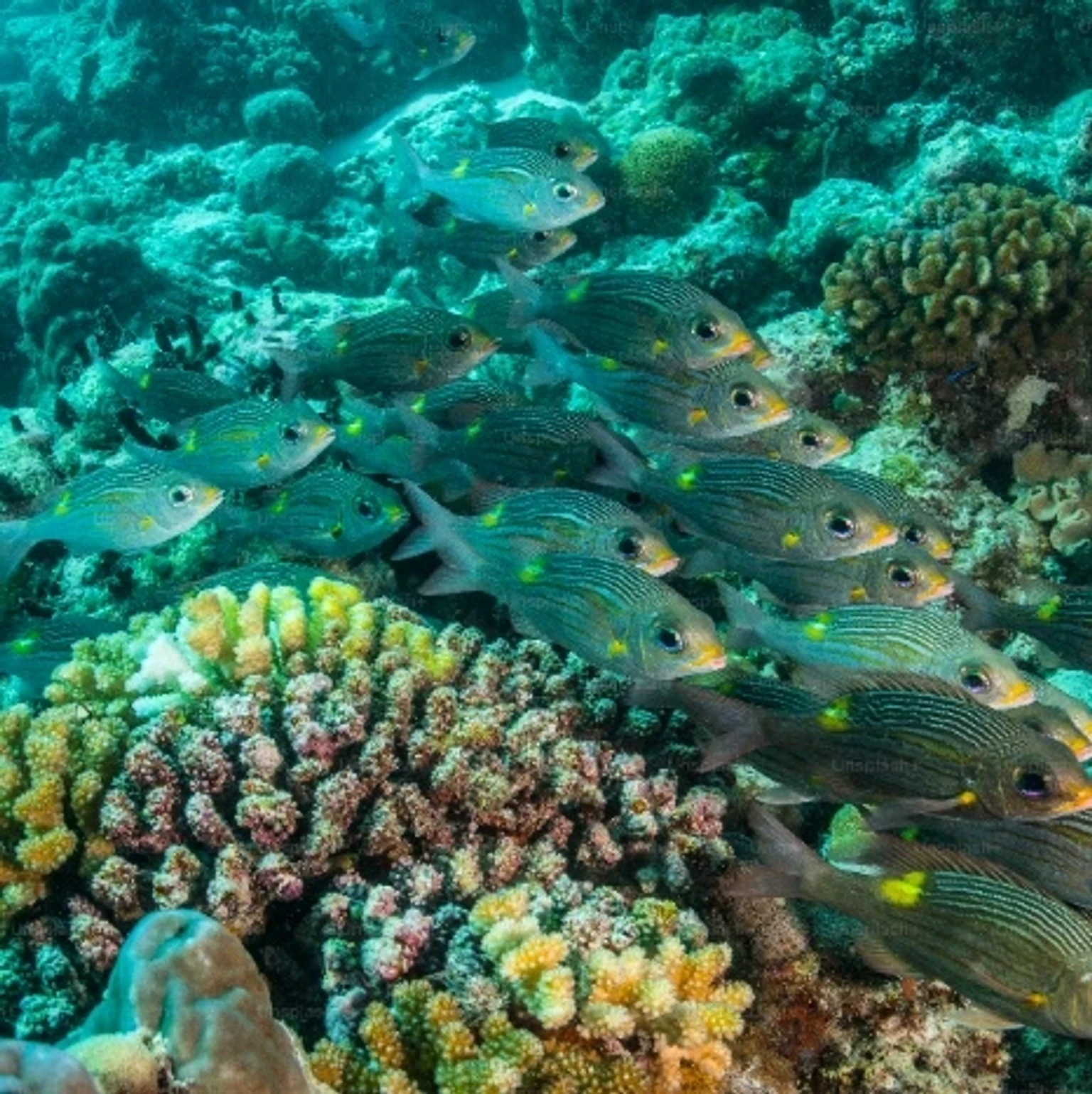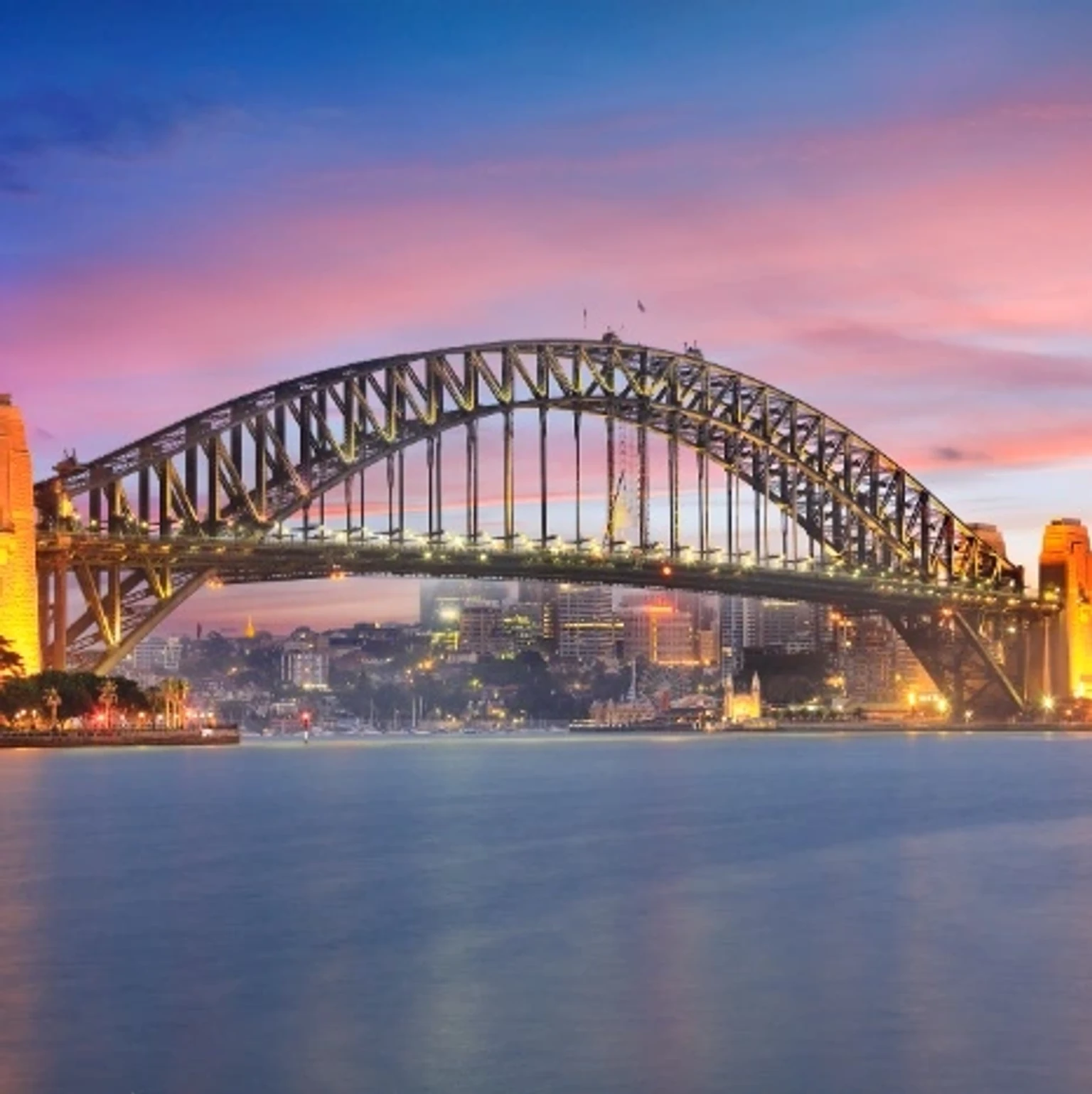


Australia is both a continent and a country in the Southern Hemisphere, made up of six states and two territories. Most visitors arrive in Sydney or Melbourne and often don’t visit beyond those cities. However, the real seat of government and home to many national cultural institutions is Canberra, a planned city that many people simply pass by on their travels.
Canberra is Australia’s capital, created in the early 1900s. It’s home to Parliament House, the Australian War Memorial, and more national collections than any other city. In this guide, you’ll find things to do in Canberra, details about the Canberra weather, information on the Canberra cricket stadium, and how far it is from Sydney and Melbourne.
What Makes Canberra Australia’s Capital City?
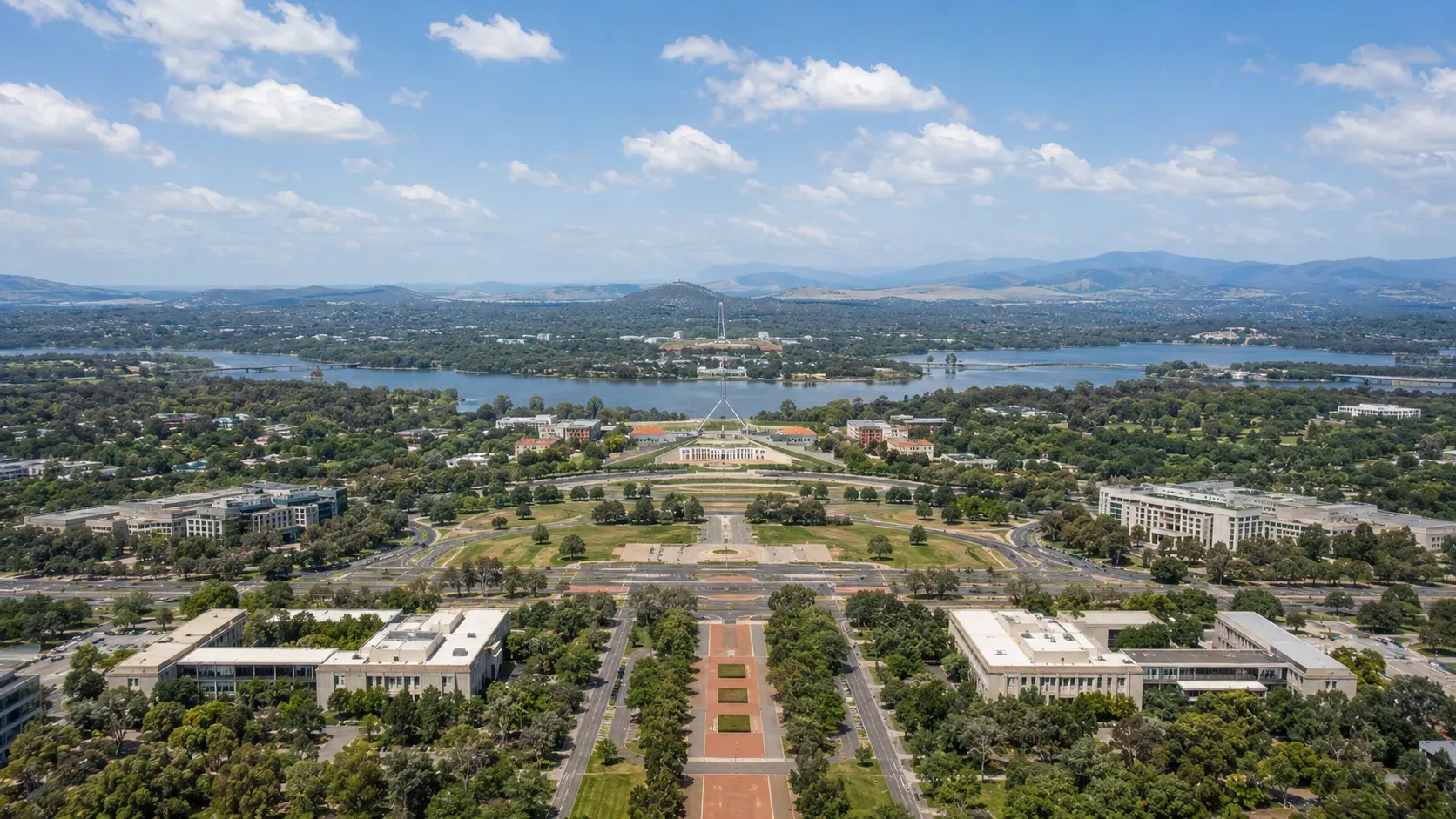
American architects Walter Burley Griffin and Marion Mahony Gryphon designed Canberra, Australia, after winning an international competition in 1911. The city was officially named the national capital on 12 March 1913, built as a deliberate compromise to stop either Sydney or Melbourne from holding the seat of government.
The name Canberra is believed to come from the Ngunnawal language, spoken by the Aboriginal people of the area before European settlement. An early European landowner named his property "Canberry" in 1823, and the name evolved from there.
Canberra, Australia, is home to every major national institution in the country: Parliament House, the Australian War Memorial, the National Gallery, the National Library, the National Museum, Questacon, and the Australian Institute of Sport. It sits entirely within the Australian Capital Territory (ACT), bordered on all sides by New South Wales.
Detail | Information |
Capital of | Australia |
Population (June 2023) | 466,566 |
Territory | Australian Capital Territory (ACT) |
City area | 814 km² |
Official name selected | 12 March 1913 |
Designed by | Walter Burley Griffin and Marion Mahony Griffin |
National institutions | Parliament House, AWM, NGA, NMA, AIS and more |
What Are the Best Things to Do in Canberra?
The things to do in Canberra cover national museums, enjoying outdoor activities around Lake Burley Griffin, and taking part in seasonal festivals. Many top attractions are free or inexpensive, which often surprises visitors.
Here’s a quick overview:
- Parliament House and the National Institutions
- Lake Burley Griffin and Outdoor Activities
- Seasonal Festivals and Events
A Day Among Australia’s National Institutions
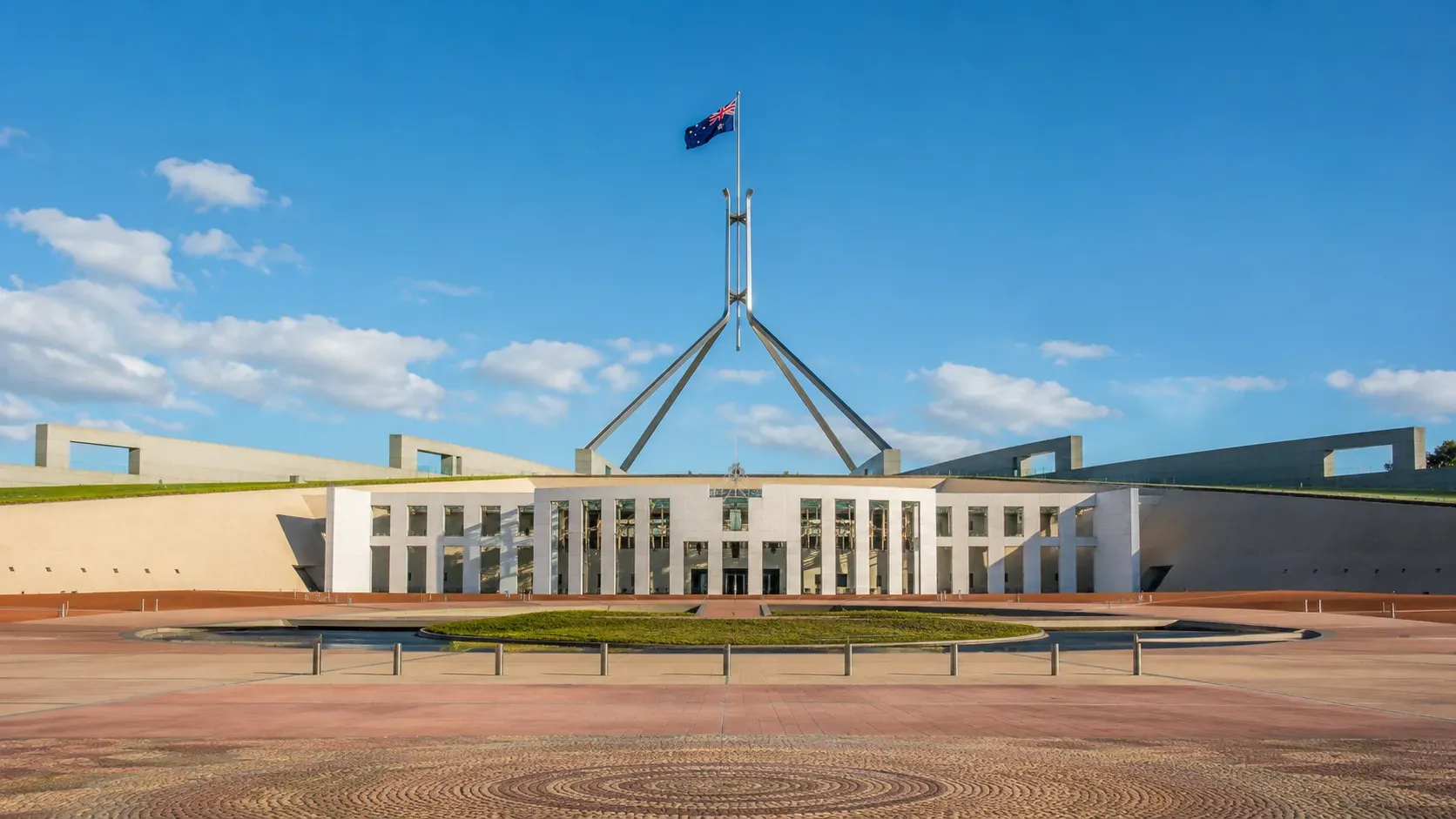
Most people visit Canberra for its national institutions, which offer more variety than you might expect.
- Parliament House on Capital Hill is open to the public; visitors can watch parliamentary debates from the public gallery when parliament is in session; the building opened in 1988, replacing Old Parliament House (1927), which is now the Museum of Australian Democracy; entry to both is free
- Australian War Memorial on Anzac Parade is one of the most visited cultural institutions in the country; it combines a shrine, a museum of Australia's military history, and a research archive; entry is free; the Last Post ceremony happens every evening at closing time
- National Gallery of Australia holds over 155,000 works; the permanent collection includes Aboriginal and Torres Strait Islander art, international works, and Jackson Pollock's Blue Poles; the permanent collection is free; ticketed temporary exhibitions run throughout the year
- Questacon (National Science and Technology Centre) is interactive and particularly well-suited for families; exhibits cover physics, earth science, and technology; admission fee applies
Lakeside Walks, Cycling and Outdoor Adventures
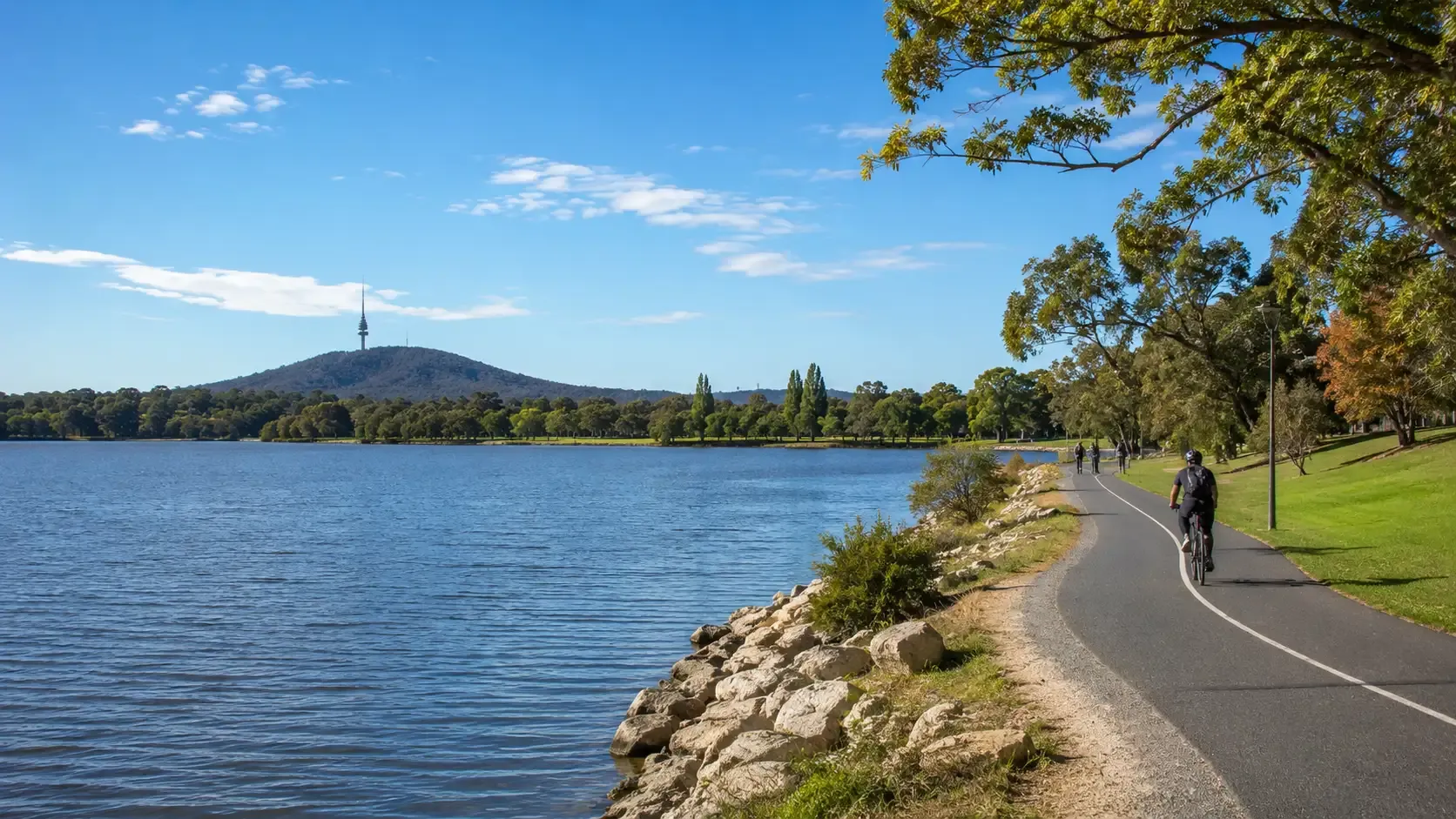
Lake Burley Griffin is at the heart of Canberra’s design. The lake was formed by damming the Molonglo River.
- The lake is 35 km in circumference and open for cycling, rowing, kayaking, and walking throughout the year; hire companies operate from the north and south shores
- Cycling paths extend over 250 km across the city and connect all major attractions; the path around the lake is the most popular for visitors and is manageable for most fitness levels; bike hire is available near Acton Park
- Hot air balloon flights take off on clear mornings, offering views of the city’s layout, the lake, and the Brindabella Ranges. Most flights start from the north shore. It’s best to book ahead, as flights depend on the weather.
Festivals That Bring the City to Life
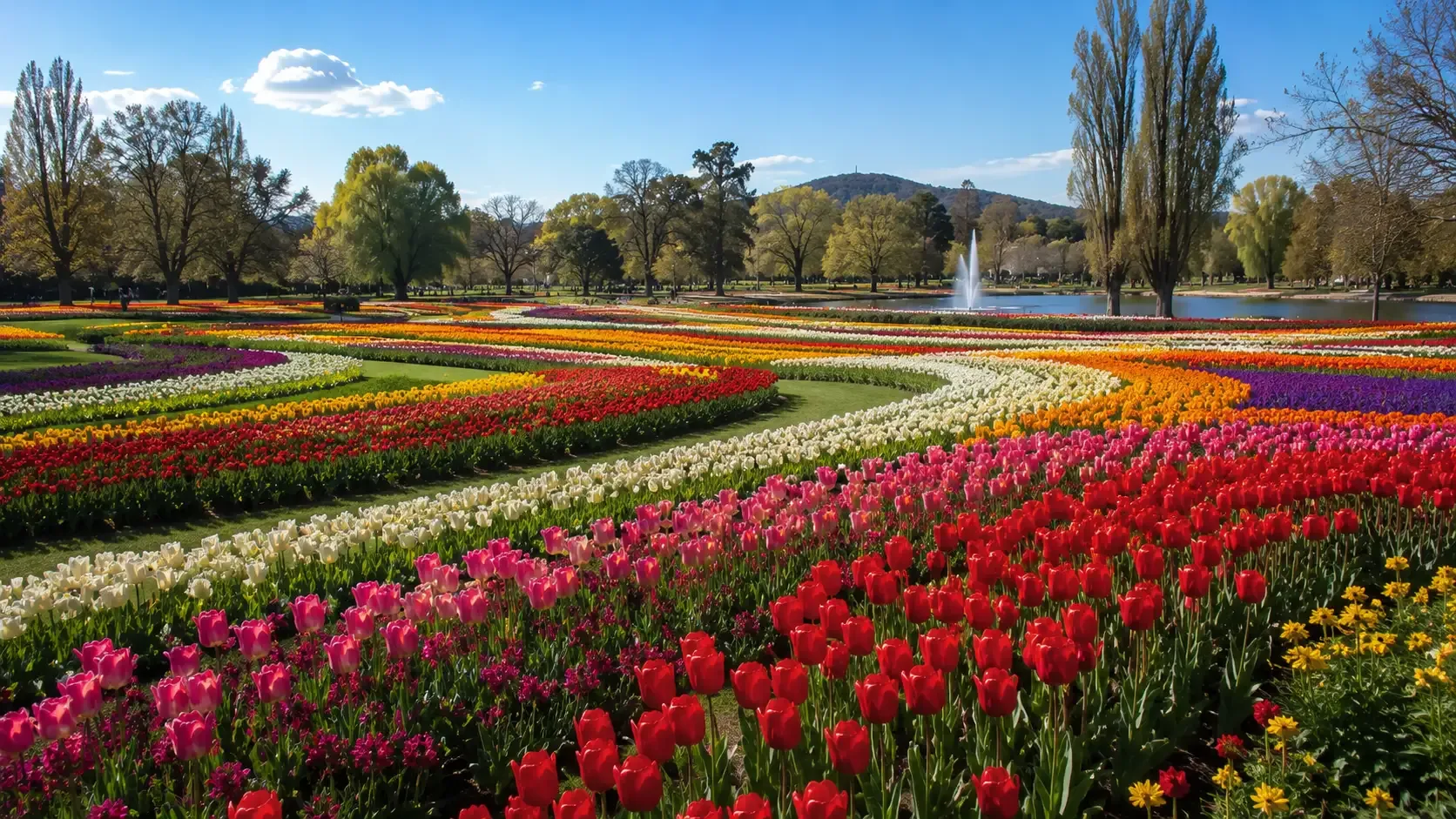
Many of the best things to do in Canberra happen during certain months of the year.
- Floriade (September to October): Held in Commonwealth Park on the north shore of the lake; the largest flower festival in the Southern Hemisphere; approximately 1 million flowering bulbs across themed garden beds; free to attend; peak weeks in early October are the busiest
- Enlighten Festival (February to March): Projection lighting transforms national buildings including Parliament House and the National Gallery; one of the most photographed events in the city; runs for two weeks; the adjacent Canberra Balloon Spectacular launches dozens of balloons from the nearby open grounds on clear mornings
- Canberra Nara Peace Park Cherry Blossoms (September): Along Wendouree Drive near the Australian-Japan Centre; a quieter and less-known seasonal stop alongside Floriade
What Is Canberra Cricket Stadium Known For?
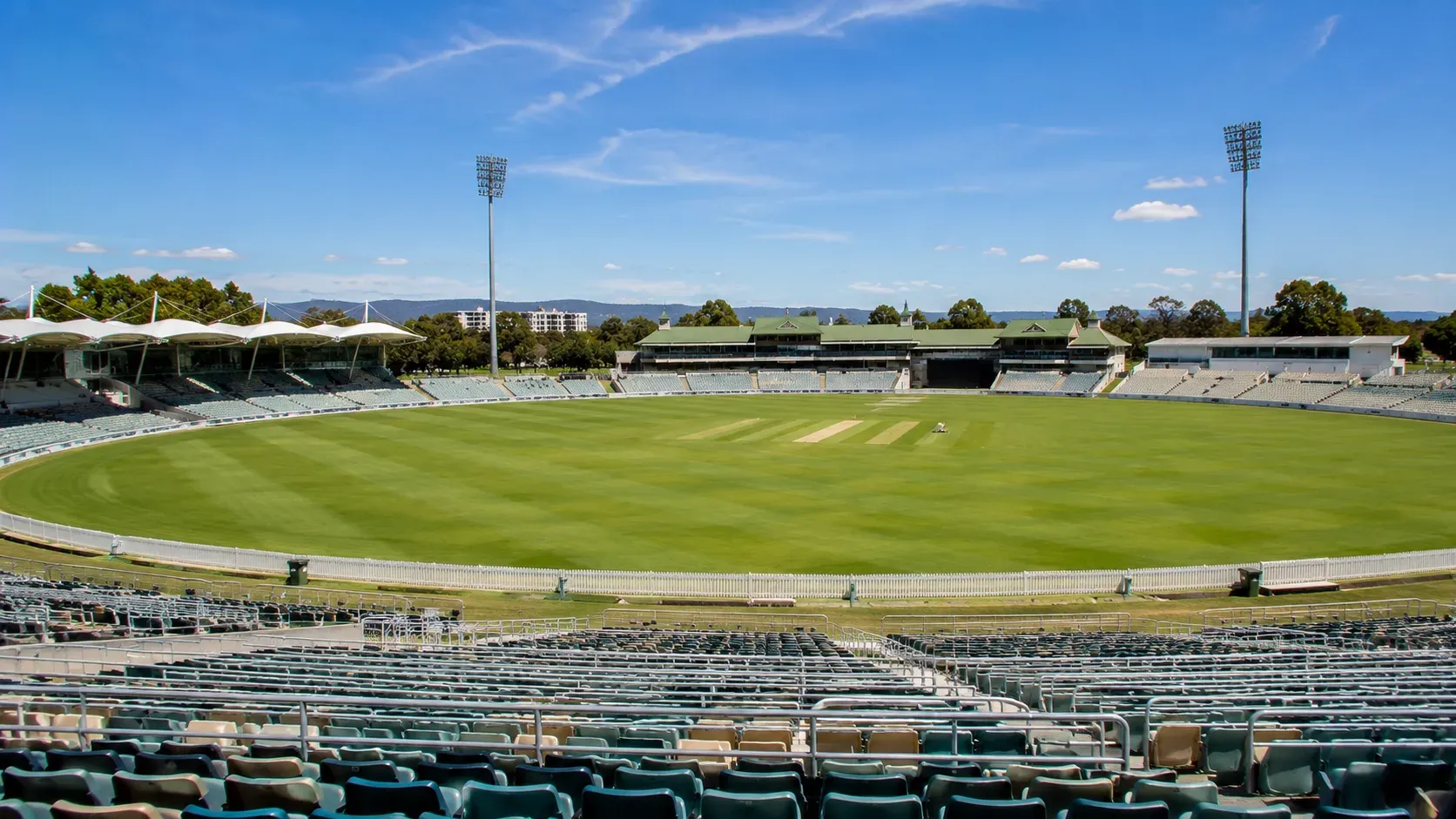
The Canberra cricket stadium is Manuka Oval, located in the inner-south suburb of Griffith.
The oval has a seating capacity of 13,550 and a total capacity of 15,000. Manuka Oval has been used for sport since the late 1920s; the ground was enclosed in 1929, and Sir Donald Bradman opened the Bradman Pavilion in 1963.
Manuka Oval hosted its first-ever Test match in 2019, making it one of Australia's most recently added Test venues alongside Melbourne, Sydney, Adelaide, Brisbane, and Perth. The ground has since hosted multiple Tests, including a match against India in 2023.
Detail | Information |
Suburb | Griffith, inner south Canberra |
Seating capacity | 13,550 |
Total capacity | 15,000 |
Ground enclosed | 1929 |
First cricket match | 19 April 1930 |
Key events | Test cricket, BBL, PM's XI match, GWS Giants AFL |
Unique feature | Jack Fingleton Scoreboard (recycled from MCG) |
The Canberra cricket stadium also hosts the annual Prime Minister's XI match (Australia vs visiting international teams), Big Bash League games, and GWS Giants AFL home matches. The Jack Fingleton Scoreboard was originally the scoreboard at the Melbourne Cricket Ground, recycled when the MCG installed its first electronic board in the early 1980s.
What Is Canberra Weather Like Throughout the Year?
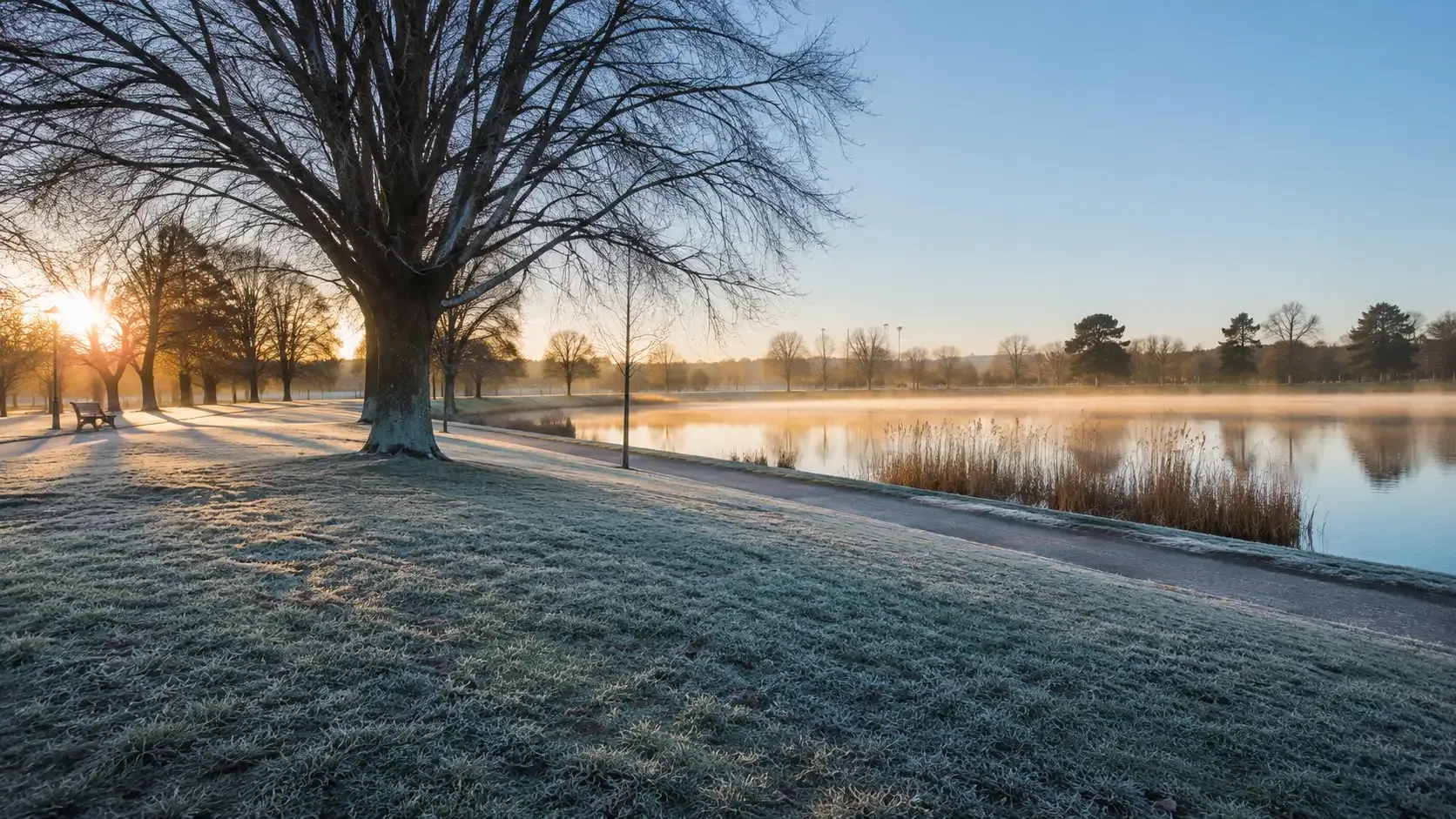
Canberra weather has a continental climate with four distinct seasons. Winters are colder, and summers are hotter here than in Sydney or Melbourne.
Season | Months | Avg High | Avg Low | Conditions | Best For |
Summer | Dec to Feb | 28 to 30°C | 13 to 16°C | Hot; occasionally above 40°C; dry | Lake activities; early morning outdoor visits |
Autumn | Mar to May | 18 to 23°C | 7 to 11°C | Cooling; dry and clear | Foliage; National Arboretum; outdoor dining |
Winter | Jun to Aug | 11 to 13°C | -1 to 3°C | Cold; regular frosts; rare city snow | Museums; indoor institutions; Snowy Mountains day trips |
Spring | Sep to Nov | 19 to 23°C | 7 to 12°C | Warming; clear days | Floriade; gardens; balloon flights; Cherry Blossoms |
Key Canberra weather notes:
- Frosts are common in June and July; overnight temperatures regularly drop below zero in the city
- Snow in the city itself is rare, but the nearby Brindabella Ranges receive regular snowfall in winter
- The most visited season is spring; Canberra weather in September and October is mild and consistently clear
- Some summer days in Canberra, Australia, can be extremely hot. Heatwaves often increase the risk of bushfires in surrounding areas.
How Far Is Canberra to Sydney?
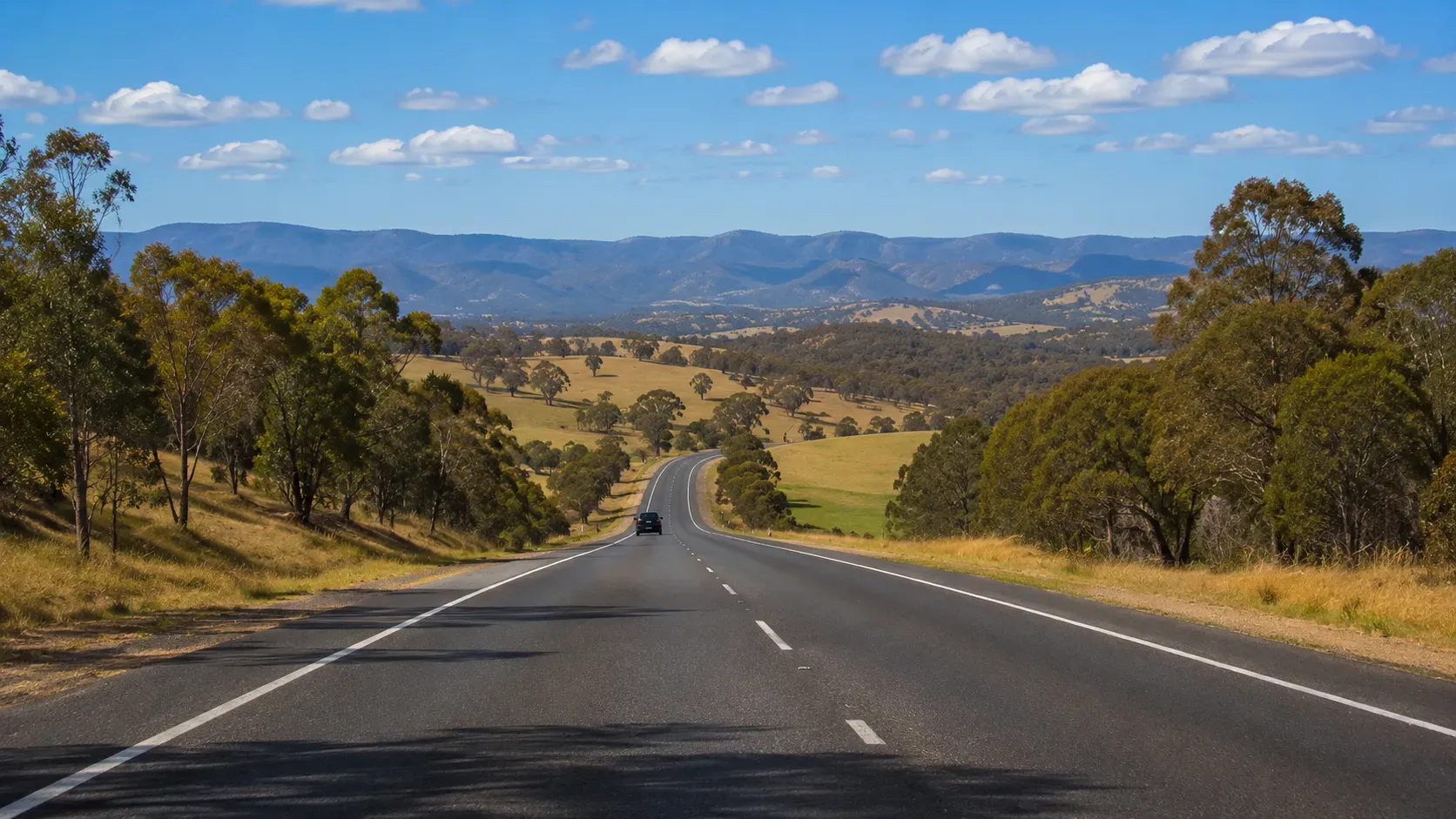
The Canberra to Sydney distance and the Canberra to Melbourne distance are two of the most frequently searched planning questions about the city.
Destination | Road Distance | Drive Time | Coach (NSW TrainLink) | Approximate Flight |
Sydney | 280 to 290 km | 3 hours | 3.5 to 4 hours | 1 hour |
Melbourne | 650 to 655 km | 6.5 to 7 hours | 8 hours | 1 hour |
Key notes:
- The Canberra to Sydney distance follows National Highway 23 via the Hume Highway and Federal Highway; the route passes through the Southern Tablelands and is well-serviced with stops
- The Canberra to Melbourne distance is significantly longer; most visitors who are road-tripping break the journey overnight in Gundagai or Albury-Wodonga
- Canberra Airport (CBR) connects to Sydney, Melbourne, Brisbane, Adelaide, and Perth daily; the airport is approximately 8 km from the city centre; flight time to both Sydney and Melbourne is approximately one hour
- The Canberra to Sydney distance is close enough for a day getaway, but staying overnight lets you spend more time seeing the national institutions.
Which Places to Visit Near Canberra Are Worth Seeing?
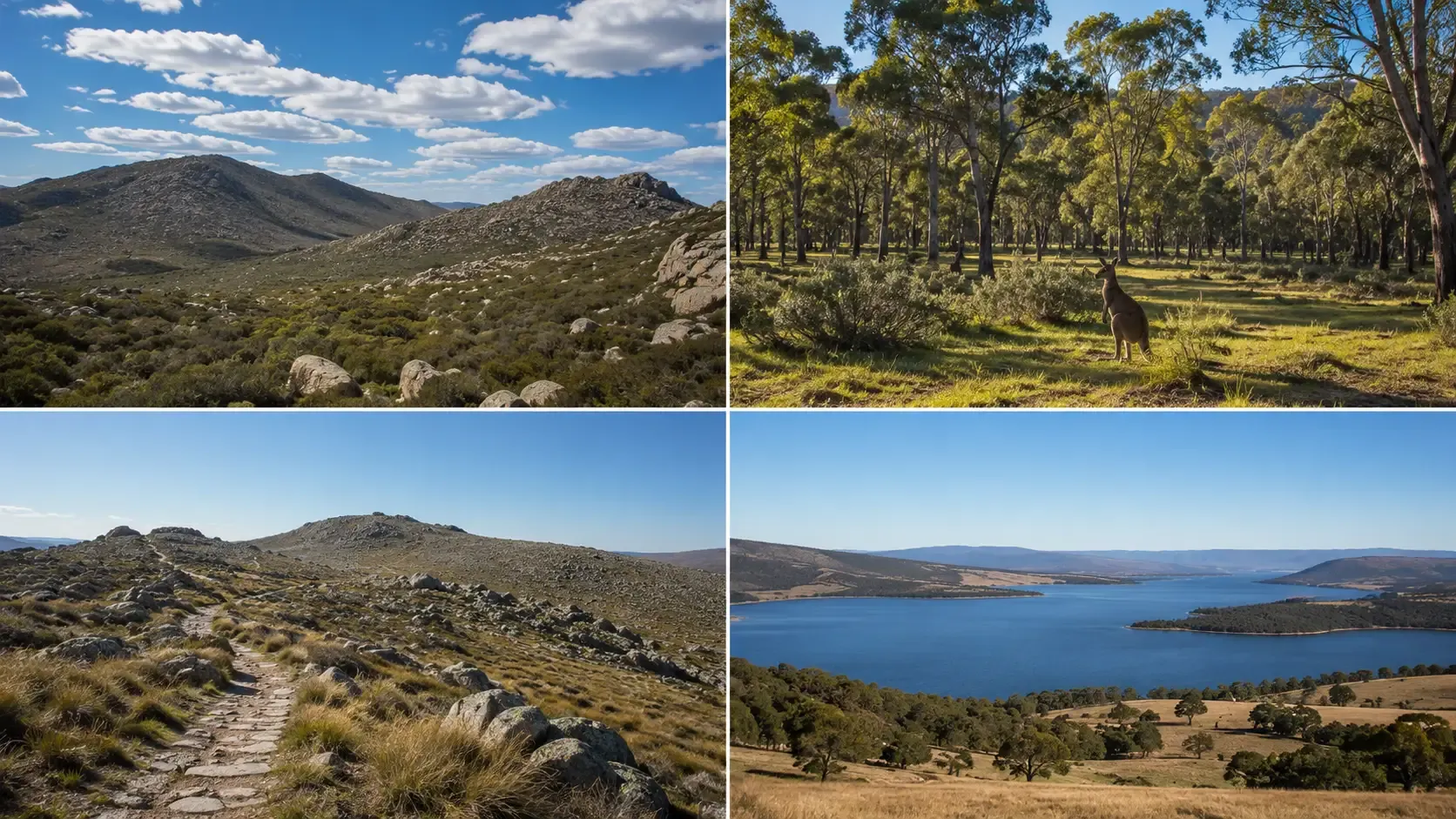
There are many places to visit near Canberra, including natural parks and regional towns, all within a two-hour drive from the city.
Place | Distance | Drive Time | Highlight | Best Season |
Namadgi National Park | 40 km west | 45 min | Hiking, Aboriginal rock art, scenic ridges | Spring and autumn |
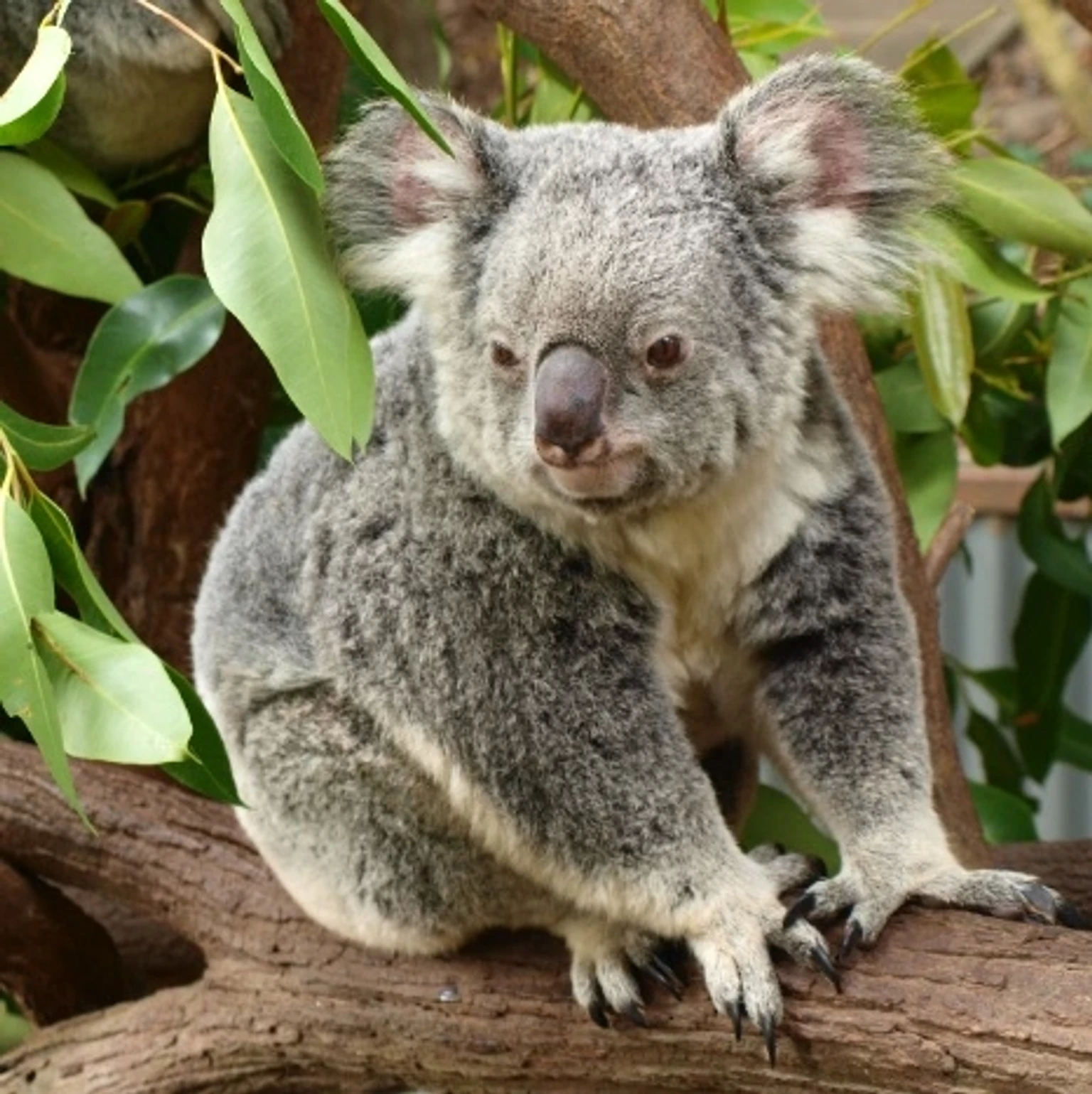
Tidbinbilla Nature Reserve | 40 km south-west | 45 min | Koalas, platypus, eastern bettong | Year-round |
Kosciuszko National Park | 170 km south | 2 hours | Skiing in winter; walking tracks in summer; Mount Kosciuszko summit | Winter and summer |
Goulburn | 90 km north | 1 hour | First inland city in Australia (1833); Big Merino; heritage streetscape | Year-round |
Lake George | 40 km north | 35 min | Shallow lake visible from Federal Highway; windfarms; wetland birdwatching | Autumn and spring |
The places to visit near Canberra worth more detail:
- Namadgi National Park covers approximately 46% of the ACT and begins just outside the western suburbs; free to enter; the Yankee Hat trail leads to rock art sites used by Aboriginal people for thousands of years
- Tidbinbilla Nature Reserve is managed by the ACT Government and hosts several endangered species; the nearby Tidbinbilla Tracking Station is a NASA Deep Space communication facility; free to drive past; wildlife viewing is best in the early morning
- Kosciuszko National Park is the most significant regional destination near Canberra; it is home to Australia's highest mountain (Mount Kosciuszko, 2,228 metres); the Thredbo and Perisher ski resorts operate from June to September; in summer, wildflower walking trails open across the Main Range
Final Takeaway
Canberra is a city best discovered through its museums and natural scenery, rather than one big attraction. Its national museums are truly world-class. Manuka Oval, Canberra’s cricket stadium, now hosts Test matches. Canberra’s weather ranges from cold winters to hot summers, but spring is the best time for first-time visitors. Canberra to Sydney distance is less than 300 km; it’s easy to reach by car, and the nearby natural spots are great additions to any holiday. Canberra, Australia, deserves more time than most travellers allow. The drive to Melbourne is about 650 km, so it’s best to split the trip over two days, stopping in Gundagai or Albury-Wodonga.
If you’re planning a holiday to Canberra, Australia, and want a custom itinerary for the best season and stops, Holiday Tribe’s advisors can help with every detail.