

Cap d'Agde is on France's Mediterranean coast, and there are many reasons behind its popularity. It offers beaches, a busy marina, ancient history, and a unique black volcanic shoreline, all in a small part of Occitanie. Some people visit just for the beaches, others for seafood at the port during sunset, and many come to enjoy a slower pace away from the bigger French cities. The town started as a small fishing village and became a full resort, so you’ll find both old-world charm and modern comforts here. This guide will show you what to do in Cap d'Agde and how to get there.
What is Cap d'Agde known for?
Cap d'Agde belongs to the commune of Agde in the Hérault department of southern France, near Montpellier. The area’s history dates back to the 5th century BC, when Greek settlers founded a city here. The modern resort began to develop in the 1960s.
Region | Hérault, Occitanie, southern France |
Founded | 5th century BC by Greek settlers |
Modern resort since | 1960s |
Nearest city | Montpellier (about 45 minutes away) |
Known for | Black sand beaches, a large marina, and a volcanic coastline |
Also home to | Europe's largest naturist village, featuring its own beach, shops, and restaurants |
Top 7 Things to Do in Cap d'Agde
Seven spots cover most of what makes a visit here worth your time, from the coast to the port.
1. Plage Richelieu
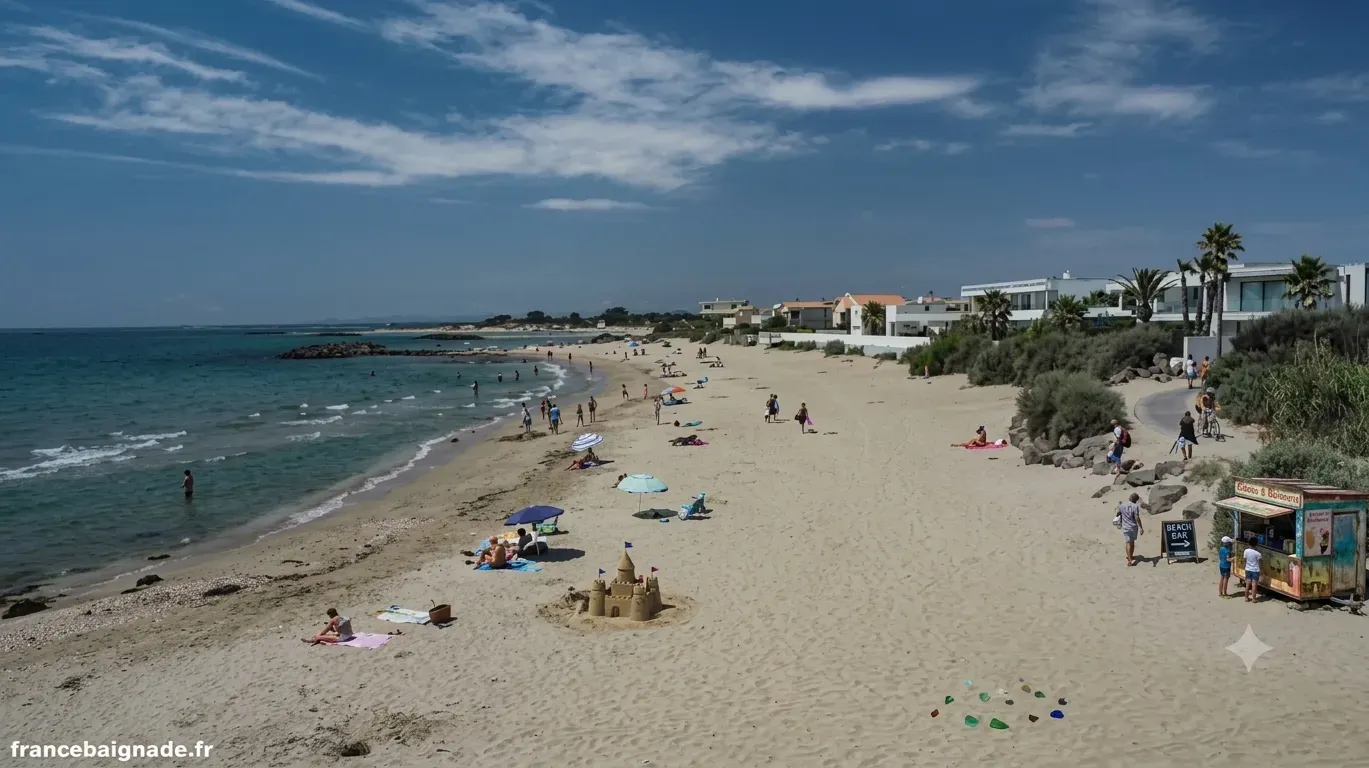 This is the main sandy beach in Cap d'Agde and is often rated as the best in town. It's wide, easy to get to, and has plenty of cafes nearby. You can spend a relaxing day here or just stop by for a quick swim in the afternoon.
- Good for: Families, first-time visitors, easy access
- Nearby: Showers, cafes, beach rentals
Tribe Travel Tip: Arrive before 10 AM in July and August, since parking near the main beaches fills up fast.
2. Plage de la Grande Conque
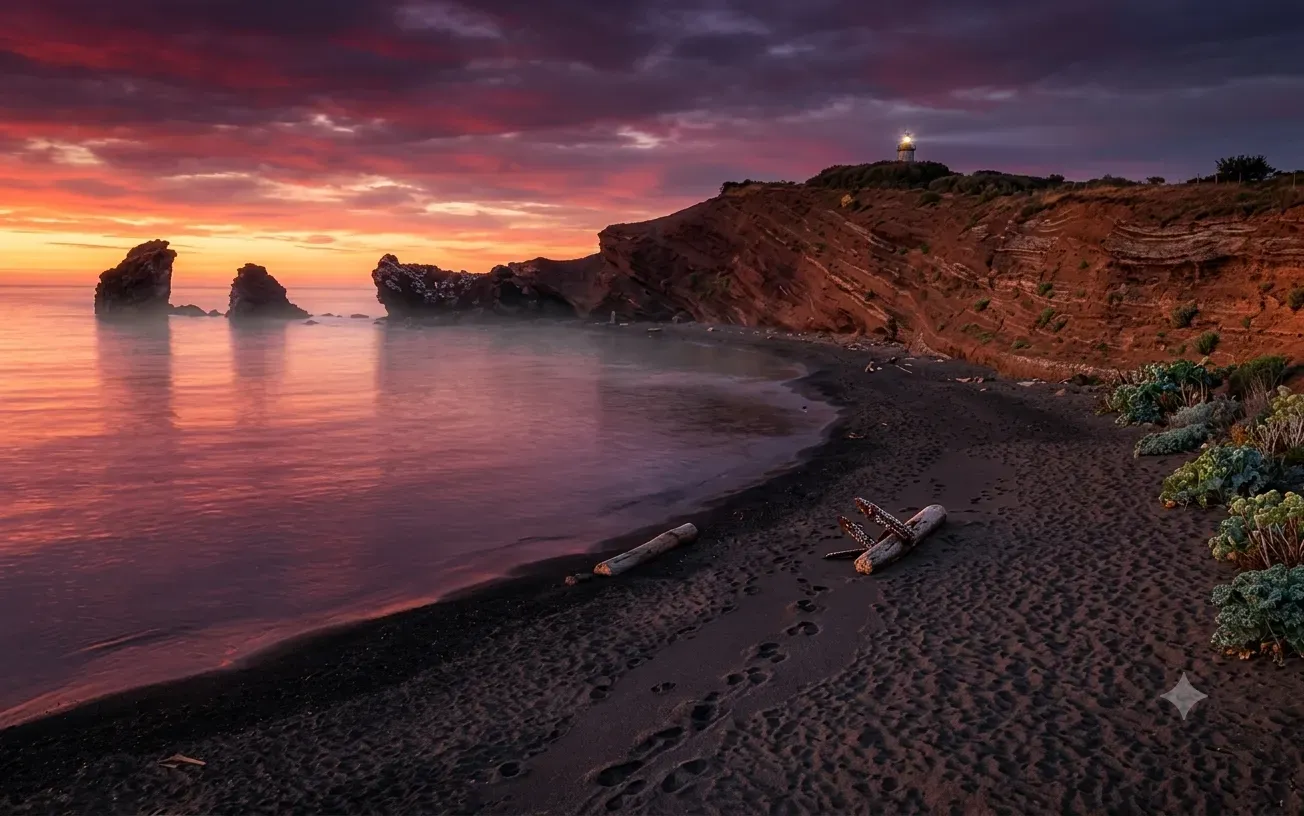 This beach isn’t sandy but is covered in dark volcanic pebbles left behind by ancient lava flows that shaped the coastline. You get there by walking down a staircase carved into the cliff. It feels much more private than the nearby resort beaches, and the water is so clear that it’s great for snorkelling.
- Good for: Swimming, photos, a quieter setting
- Best time: Early morning or near sunset, when crowds thin out
3. Aqualand Cap d'Agde
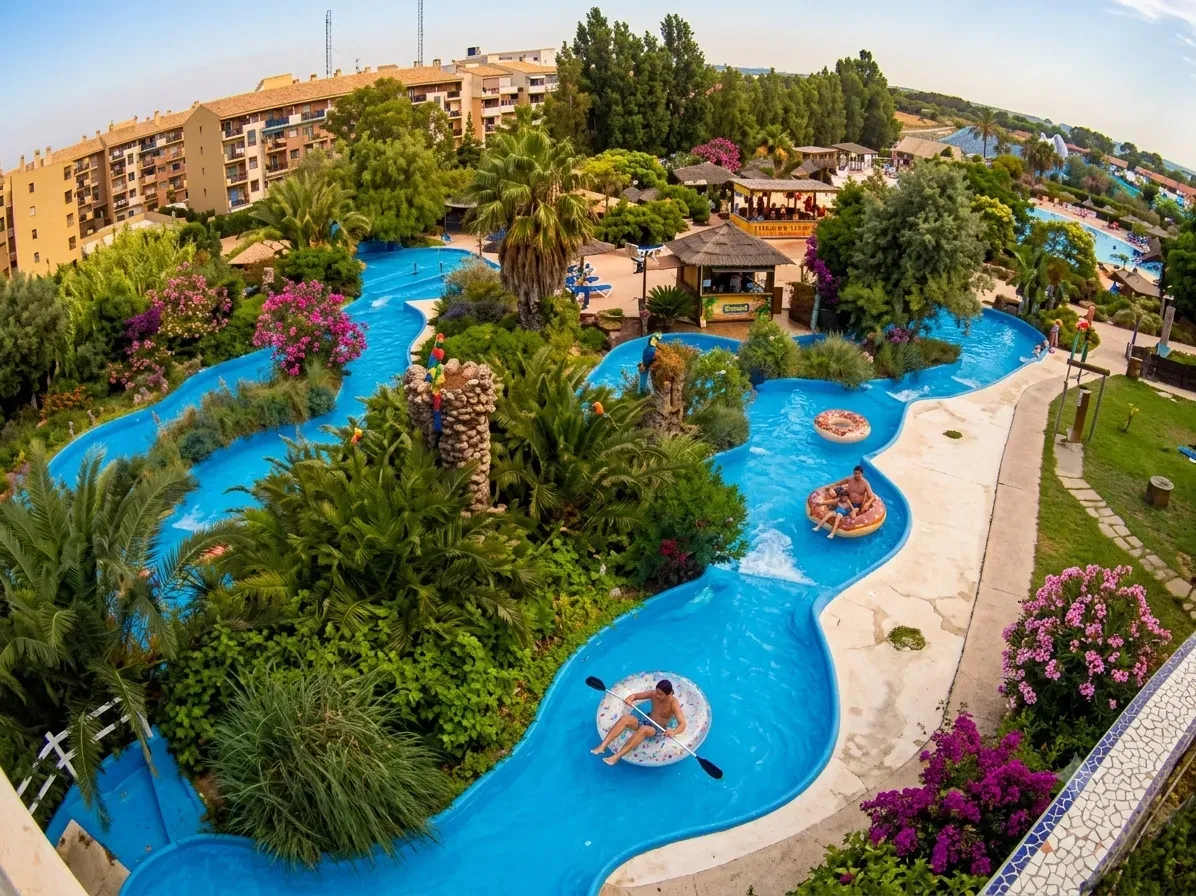 This water park has slides and pools for a full day of family fun. It’s a great choice if you want something easier than a holiday by the sea. The park is open seasonally, usually from June to September.
- Good for: Kids, families, hot afternoons
- Note: Tickets are separate from beach access; check current season dates before visiting
4. Fort Brescou
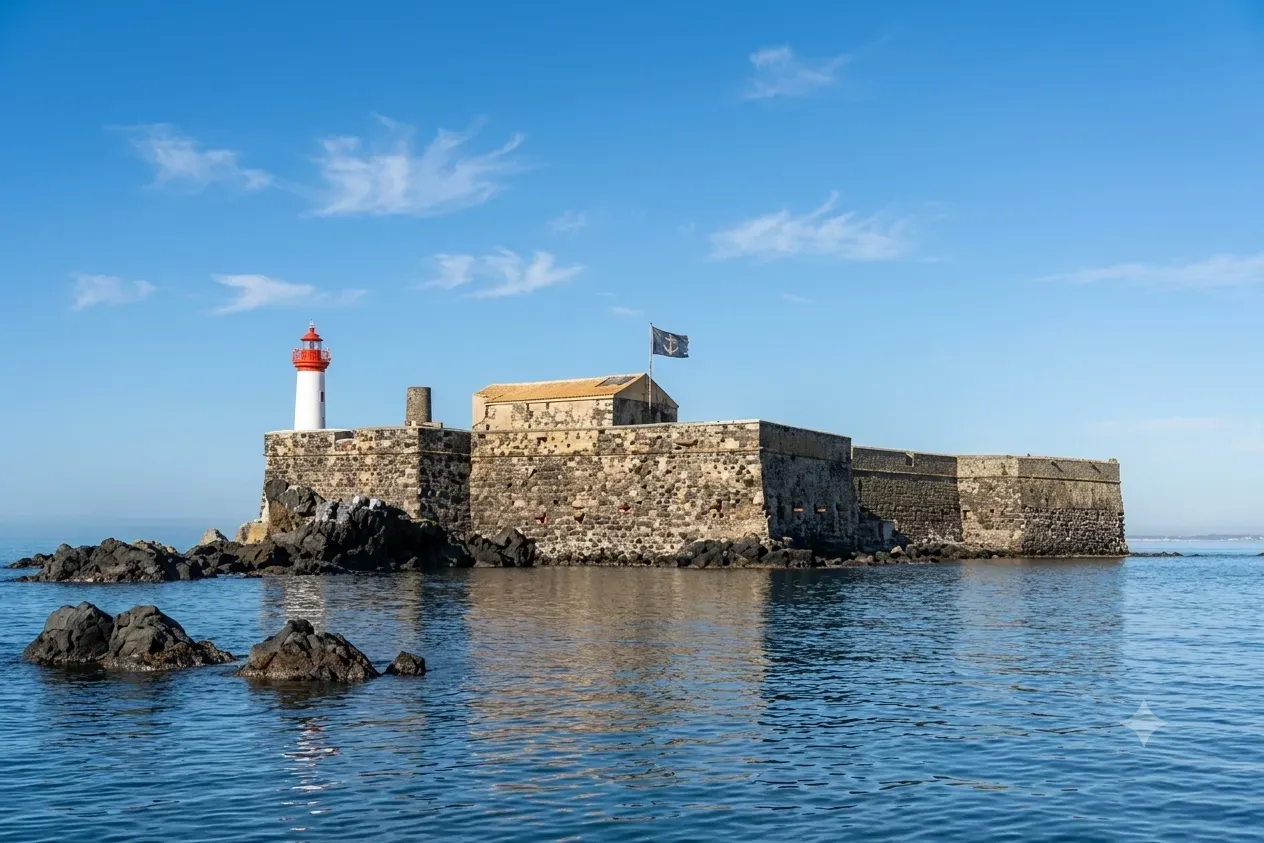 Fort Brescou is a 16th-century fortress that stands on a small volcanic island just off the coast. It once held political prisoners, not just soldiers. While you can’t go inside today, boat tours take you around the island, and snorkellers can follow a shallow underwater trail to see the marine life at its base.
- Good for: History lovers, boat tour add-ons
- Note: Only viewable from the water, not open for walk-in visits
5. Musée de l'Éphèbe
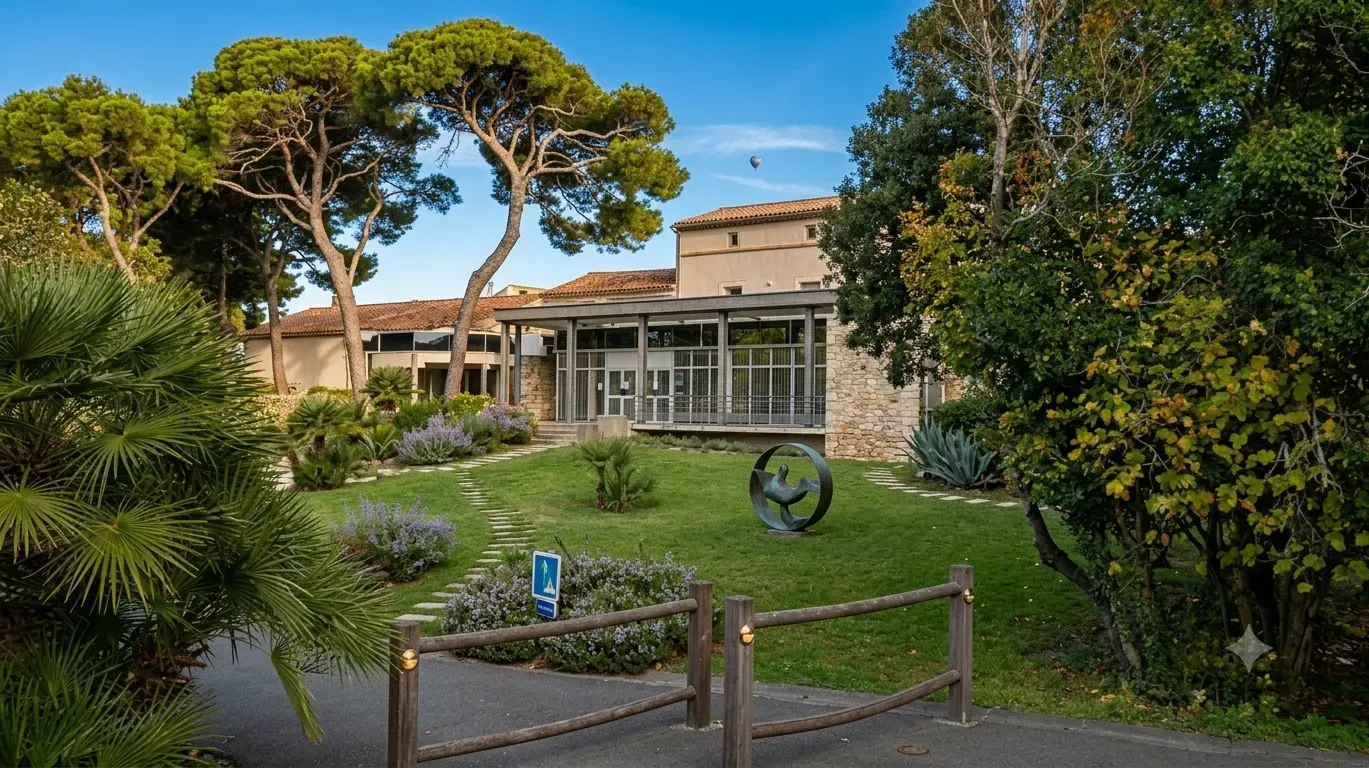 The museum's main attraction, the bronze statue called the "Éphèbe d'Agde," was found in the Hérault River many years ago and has become a symbol of the area. Inside, you'll find small galleries filled with amphorae, anchors, and coins recovered from shipwrecks, which help bring the history of the nearby coastline to life.
- Ticket: Around €6 for adults, free for minors
- Time needed: About one hour
6. The Marina
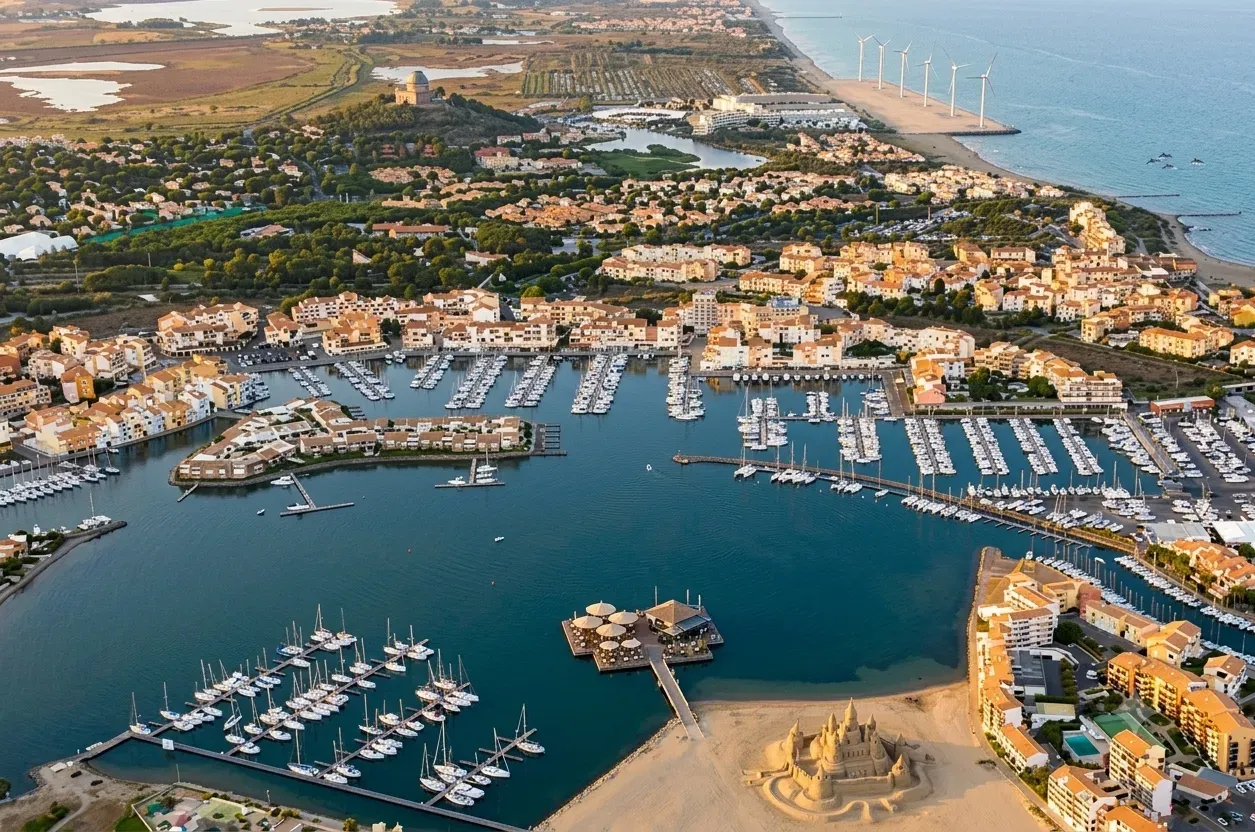 During the day in the Marina, you can take a leisurely walk past sailboats and small boutiques. In the evening, the area comes alive with dinner crowds and a more energetic atmosphere. With thousands of berths, it is one of the largest recreational marinas in Europe, but it still keeps its relaxed, small-town charm.
- Good for: Dining, evening strolls, people-watching
Tribe Travel Tip: book a portside dinner table by 7 PM in peak season, since the best spots fill quickly.
7. Bagnas Nature Reserve
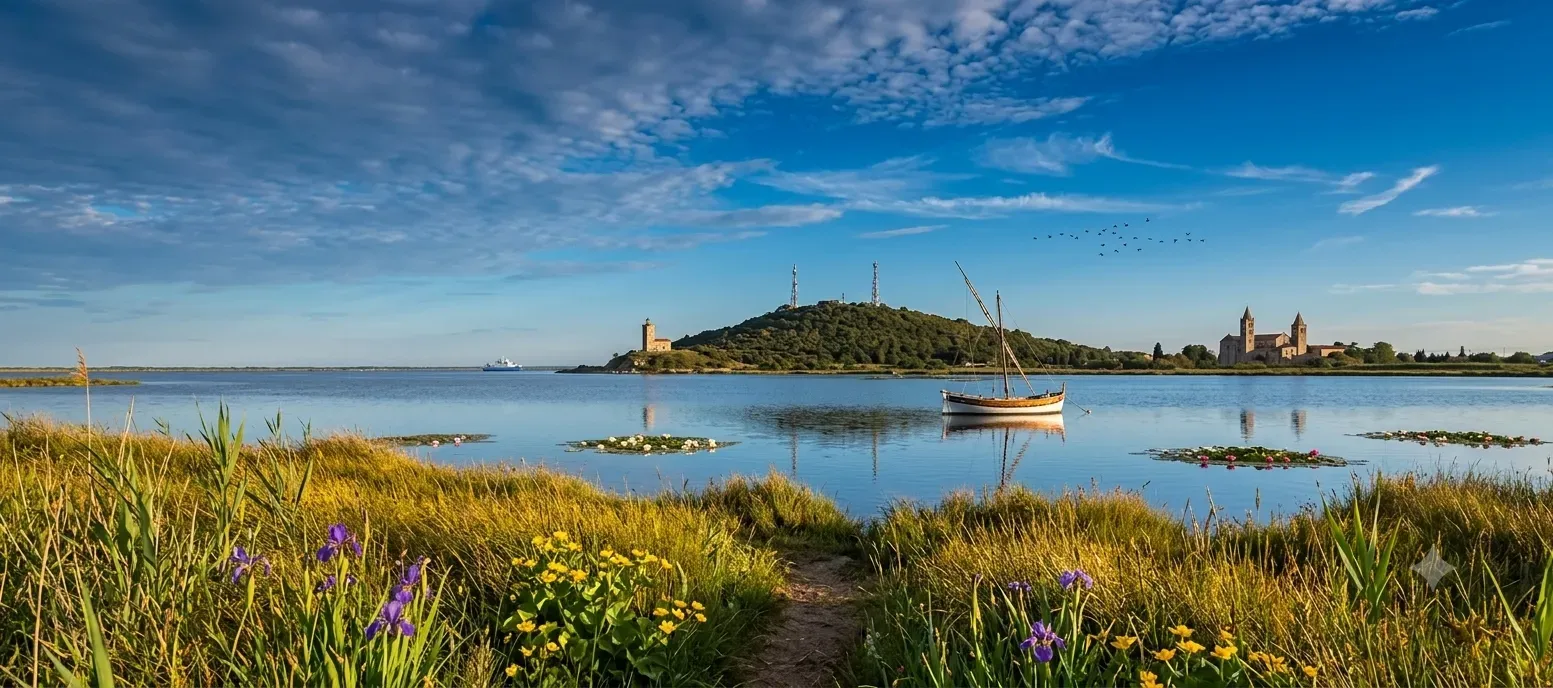 If you want a break from the busy beaches, this 561-hectare National Nature Reserve offers a peaceful escape. Since 1983, it has protected the local wetlands. More than 260 bird species visit throughout the year, so it’s a great spot for a quiet morning walk.
- Good for: Birdwatching, nature lovers, a slower pace
- Note: Guided outings can be booked directly with the reserve
How to Get to Cap d'Agde?
Getting to Cap d'Agde, France is straightforward by air, train or road, depending on where you're starting from.
Mode | Details |
By air | Fly into Montpellier–Méditerranée Airport, about 50 minutes away, or the smaller Béziers–Cap d'Agde Airport nearby |
By train | Agde station connects to Montpellier and Béziers, with TGV links further north to Paris |
By road | The A9 motorway runs close by, making a rental car an easy option from Montpellier or Béziers |
Good to Know Before You Go
Here are some useful tips to know before you arrive at Cap d'Agde beach in France.
- The busiest time is from June to August, when the beaches and marina are most crowded.
- French is the main language, but you’ll find that English is widely spoken in tourist spots.
- Most beaches are free, but attractions like Aqualand and boat tours have extra fees.
- Wear comfortable shoes for the Grande Conque staircase and walk around the marina.
Before You Go
In just a few days, you can experience a lot in Cap d'Agde, from amazing black volcanic cliffs to a museum centred on a unique bronze statue found in a river. Instead of trying to see all seven places in one day, choose two or three that interest you most and enjoy a relaxed evening at the marina. If you’re planning a longer holiday around Occitanie or southern France, our Holiday Tribe advisors are here to help you include Cap d'Agde in your itinerary.