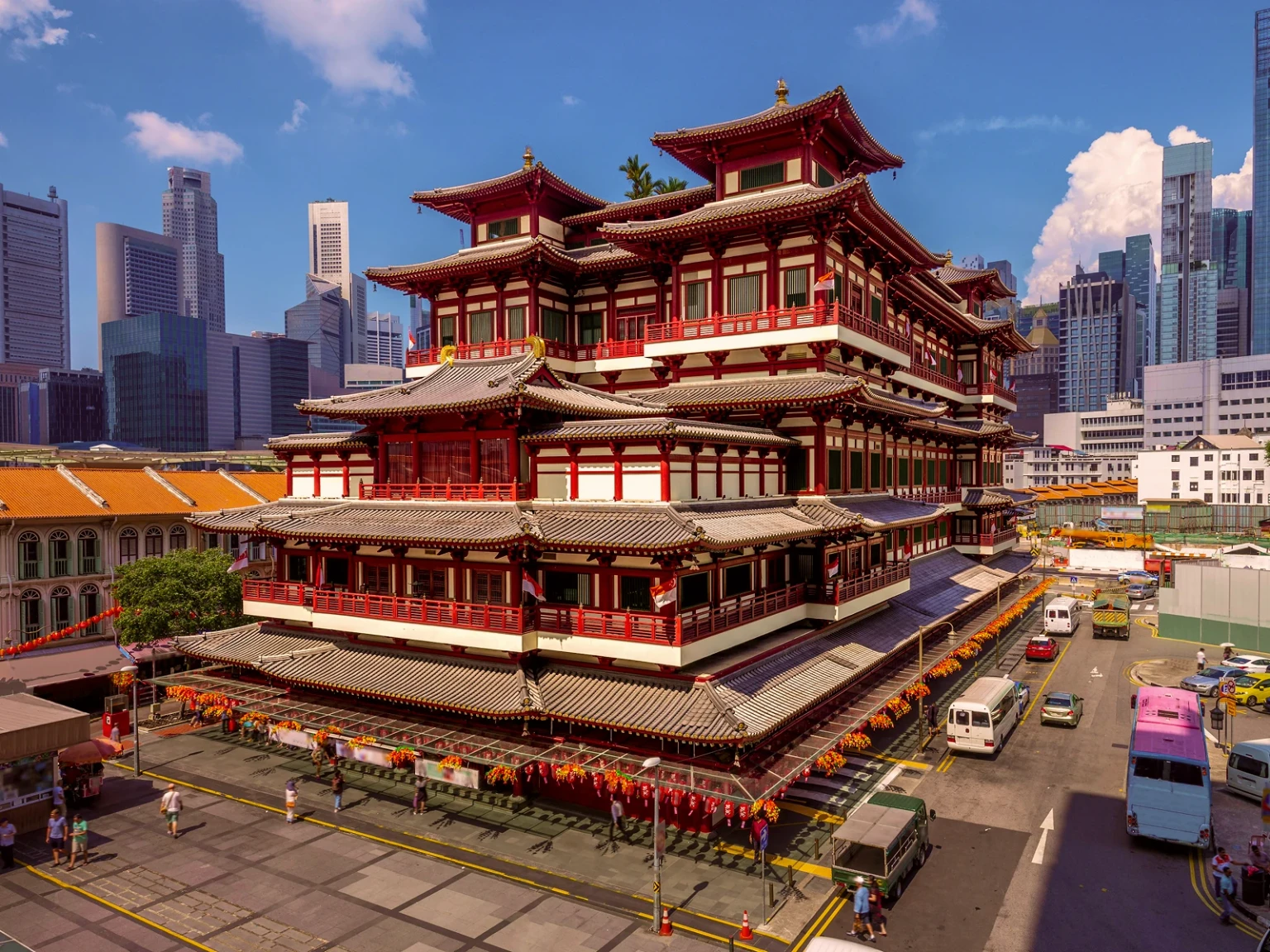


Singapore may be small, but it is full of culture, food, and history. Each neighbourhood has its own story, and Chinatown’s is one of the oldest.
When you first arrive in Chinatown, Singapore, you see rows of pastel shophouses and lantern-lit streets. When you go further, you will find quiet temple courtyards, traditional trades, and daily local life. The area includes four precincts: Telok Ayer, Kreta Ayer, Bukit Pasoh, and Tanjong Pagar. Each has its own unique feel.
This guide will show you the best things to do in Chinatown, Singapore, where to shop, what to eat at Chinatown Complex, the story of the Chinatown Heritage Centre, and some easy tips to help you plan your visit.
What Is the History of Chinatown, Singapore?
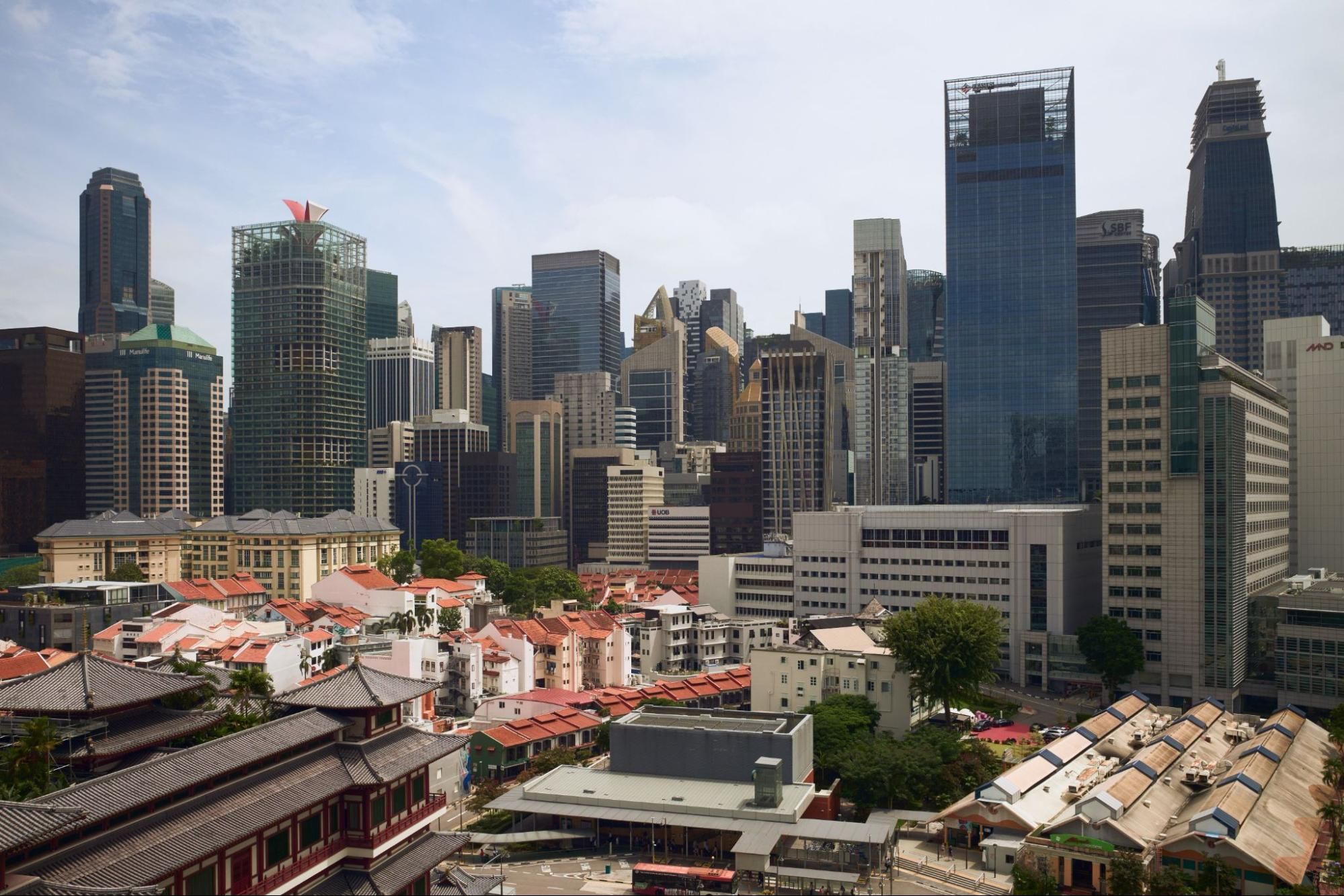
Chinatown Singapore began in the early 1800s, when Chinese migrants arrived to start new lives focused on trade, worship, and community. As time passed, the area grew crowded and became one of the city’s busiest spots.
Today, much of Chinatown has been preserved. Many old shophouses have been restored and now hold cafes, shops, and cultural spaces. This blend of old and new is what makes Chinatown, Singapore, a great place to experience on foot.
What Are the Best Things to Do in Chinatown, Singapore?
If you are looking for things to do in Chinatown, Singapore, there is plenty to fill a whole day. You will find temples, old streets, food, murals, and small shops all close together.
Temples Worth Visiting
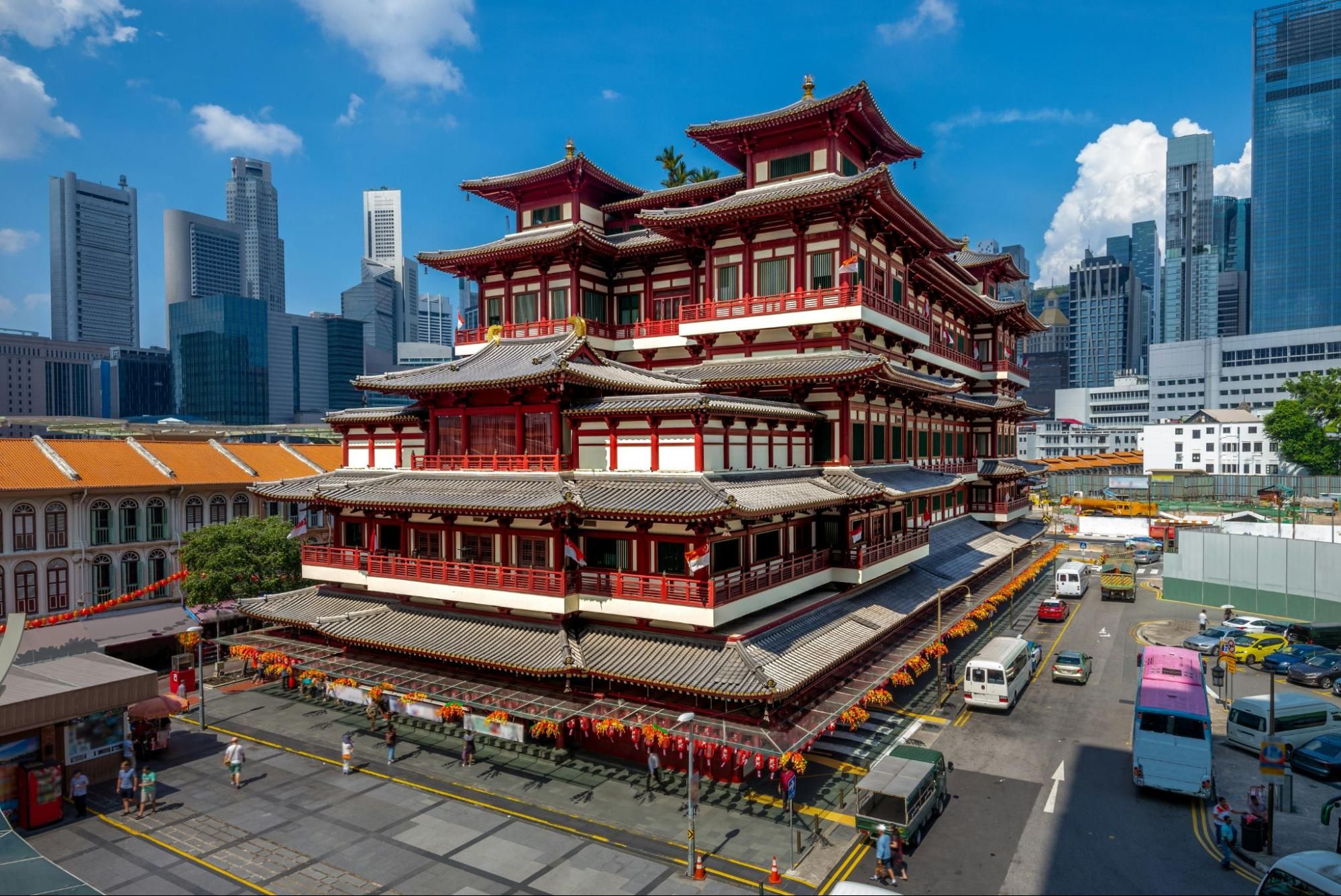
Chinatown has some of Singapore’s most important places of worship. You can enter all of them for free, and each offers a unique experience.
- Sri Mariamman Temple: Singapore's oldest Hindu temple. Cover your shoulders and knees, and remove your shoes at the entrance.
- Buddha Tooth Relic Temple: A large Buddhist temple with multiple floors to see. Dress modestly and speak quietly inside the prayer halls.
- Thian Hock Keng Temple: Singapore's one of the oldest and most important Hokkien temples, built as a place of thanksgiving for early sailors and migrants from Fujian, China.
Tribe Travel Tip: Visit in the morning if you can. The temples are quieter, and you can watch local worshippers during their daily routines.
Pagoda Street and the Street Market
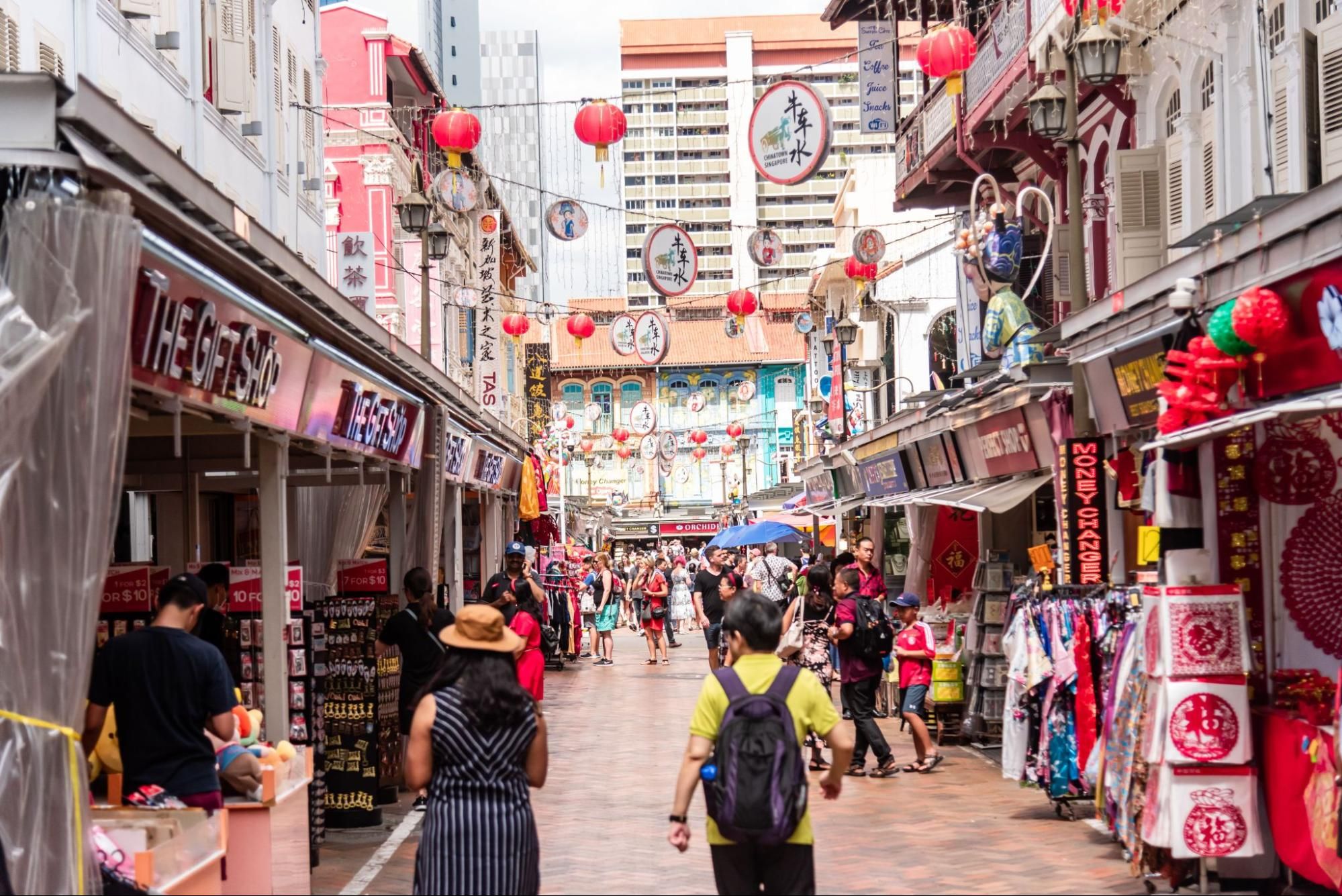
Most people begin their walk on Pagoda Street. It is lined with restored shophouses, small stalls, and shops selling snacks and souvenirs. The street links to Trengganu Street and Temple Street, so you can keep walking through the market without retracing your steps.
This part of Chinatown Singapore can get crowded, especially on weekends, but it gives you a real feel for the area’s energy and atmosphere.
Murals and Street Art
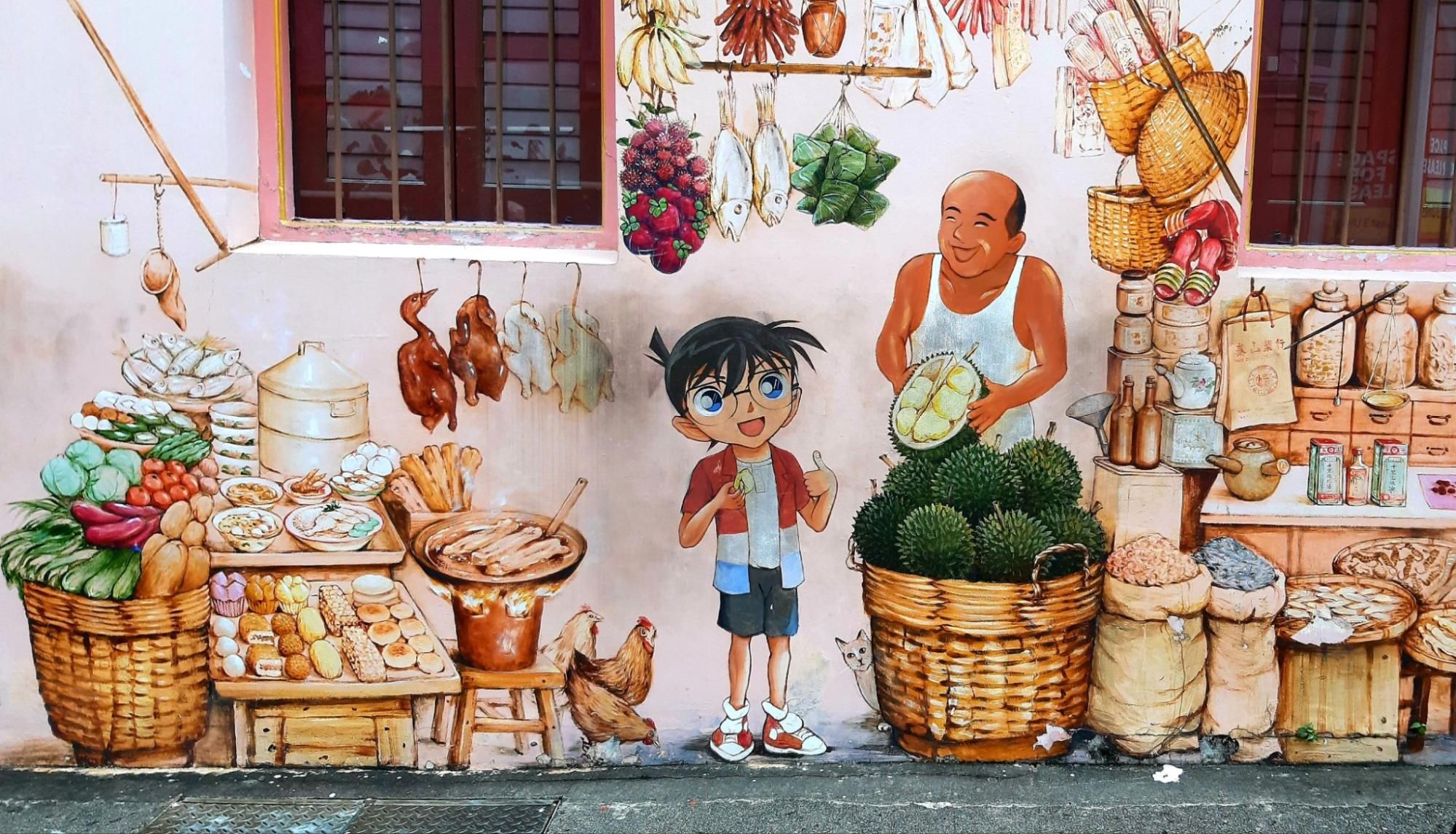
While walking along Pagoda Street and Temple Street, look for wall murals by local artist Yip Yew Chong. These murals show scenes from old Chinatown, including traditional trades and daily shophouse life. They are easy to find and make a nice break between stops.
What Is Chinatown Singapore Shopping Like?
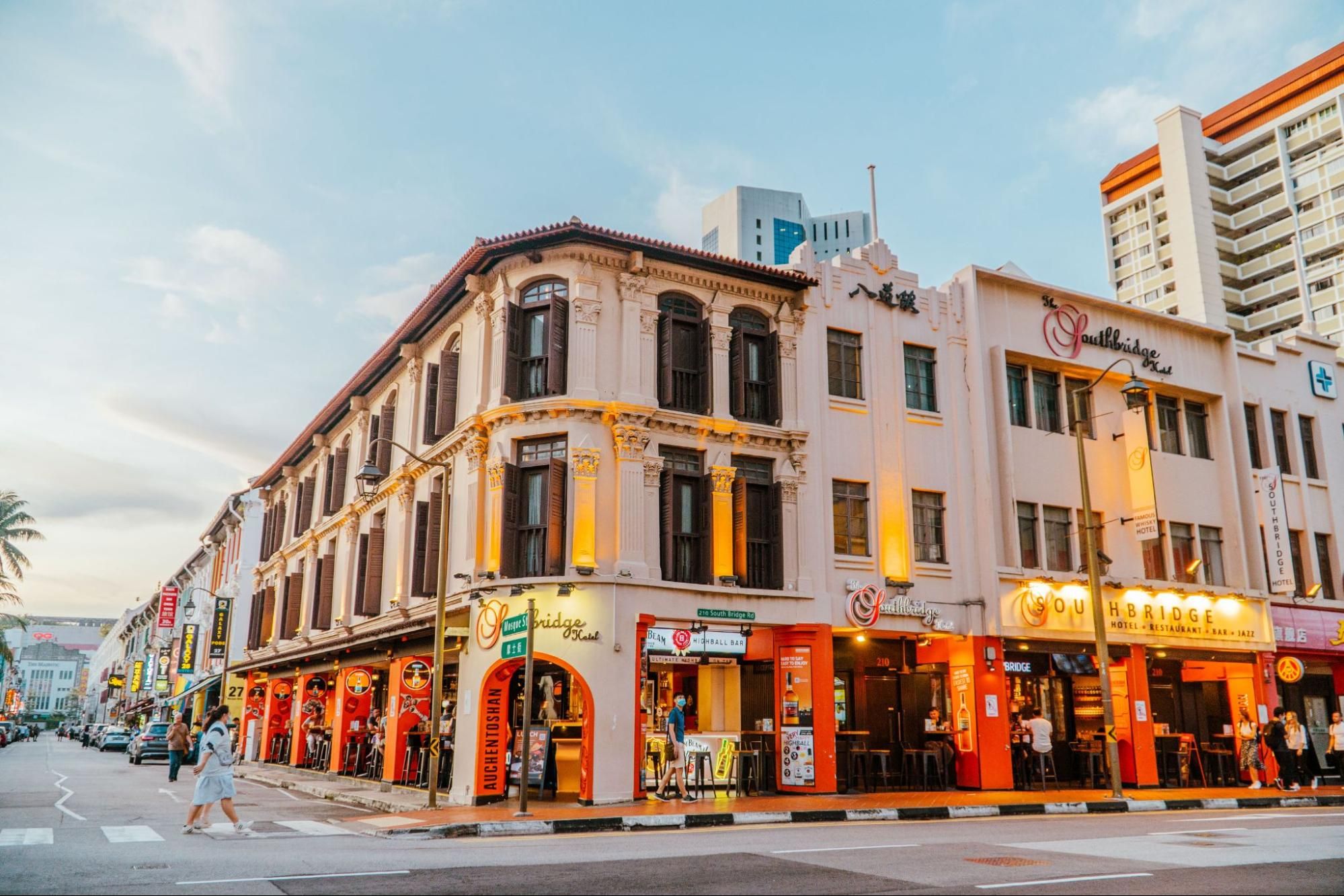
Chinatown Singapore shopping is not just about souvenirs. Walk down the street market, and you will find silk, jade, tea, Chinese medicine, and traditional handicrafts sold by shopkeepers who have been here for years.
If you are looking for something more modern, a few independent shops stand out. Late Morning on South Bridge Road offers simple, well-made tableware. Littered With Books is a great place if you like browsing both fiction and non-fiction books.
You will find that Chinatown, Singapore, shopping offers both lively street markets and quieter independent stores.
Where to shop in Chinatown, Singapore:
- Pagoda Street and Trengganu Street: Souvenirs, silk, fans, trinkets
- South Bridge Road: Lifestyle stores, tea shops, traditional medicine halls
- Temple Street: Snacks, small gift shops
- Independent shophouse stores: Bookstores, tableware, home decor
If you are looking for a gift or just want to browse, Chinatown Singapore offers enough variety to keep you busy for an hour or two.
What Is Chinatown Complex, Singapore, Known For?
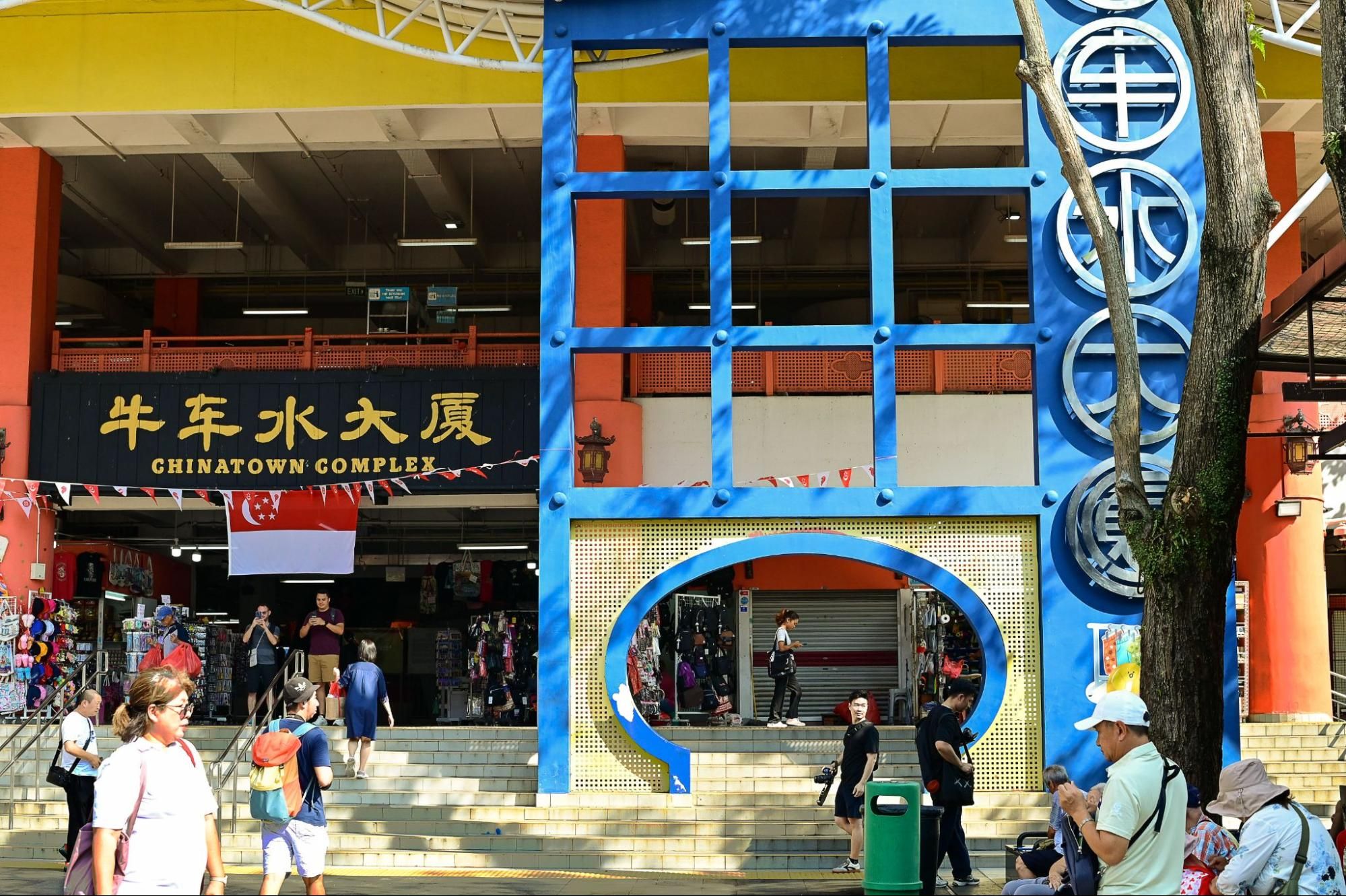
Chinatown Complex in Singapore is one of the country’s largest hawker centres. With many stalls under one roof, you will always have plenty of options. It has a lively atmosphere throughout the day. Chinatown Complex in Singapore gets busy, especially around lunch. If you prefer fewer crowds, aim for an earlier or later hour.
Chinatown Complex in Singapore is a popular spot for locals to eat, and the variety of dishes shows as much. You can try claypot rice, char kway teow, bak kut teh, and roast meats.
Chinatown Complex vs Maxwell Food Centre
Chinatown Complex | Maxwell Food Centre | |
Size | One of the largest hawker centres | Smaller, easier to navigate |
Crowd | Busy, mostly local | Moderate, more visitor-friendly |
Food variety | Very wide, many stall types | Focused, well-known stalls |
What Is the Chinatown Heritage Centre in Singapore?
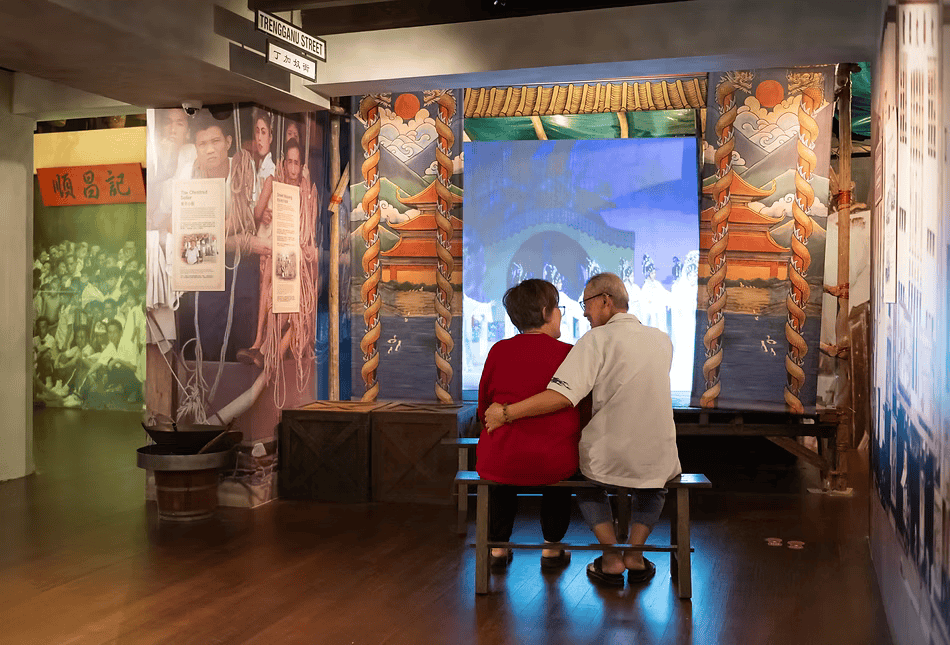 Source credits: Chinatown Heritage Centre
The Chinatown Heritage Centre Singapore brings 1950s shophouse life to life. It shows the living spaces, trades, and daily routines of early Chinese migrants who settled in Chinatown. As you walk through, you get a real sense of what life was like decades ago.
Visiting here is one of the best ways to understand Chinatown Singapore beyond its shopfronts. The Chinatown Heritage Centre Singapore shares its story through personal accounts, recreated rooms, and old objects instead of just text panels.
You can book tickets online in advance at the official Chinatown Heritage Centre Singapore website. Since there is limited capacity for each timeslot, it is best to book ahead.
What Is the Best Time to Visit Chinatown, Singapore?
If you want to visit the temples without crowds, go in the morning. For lanterns and food, evenings are better once the day's heat has passed.
Chinatown, Singapore, is usually quieter on weekdays. Weekends are busier, especially near Pagoda Street and the hawker centres. Chinatown Complex in Singapore is busiest at lunchtime, so try to eat early or late to skip the longest lines.
Tribe Travel Tip: Start your day early if possible, and enjoy food and lantern-lit streets in the evening.
How to Get to Chinatown, Singapore?
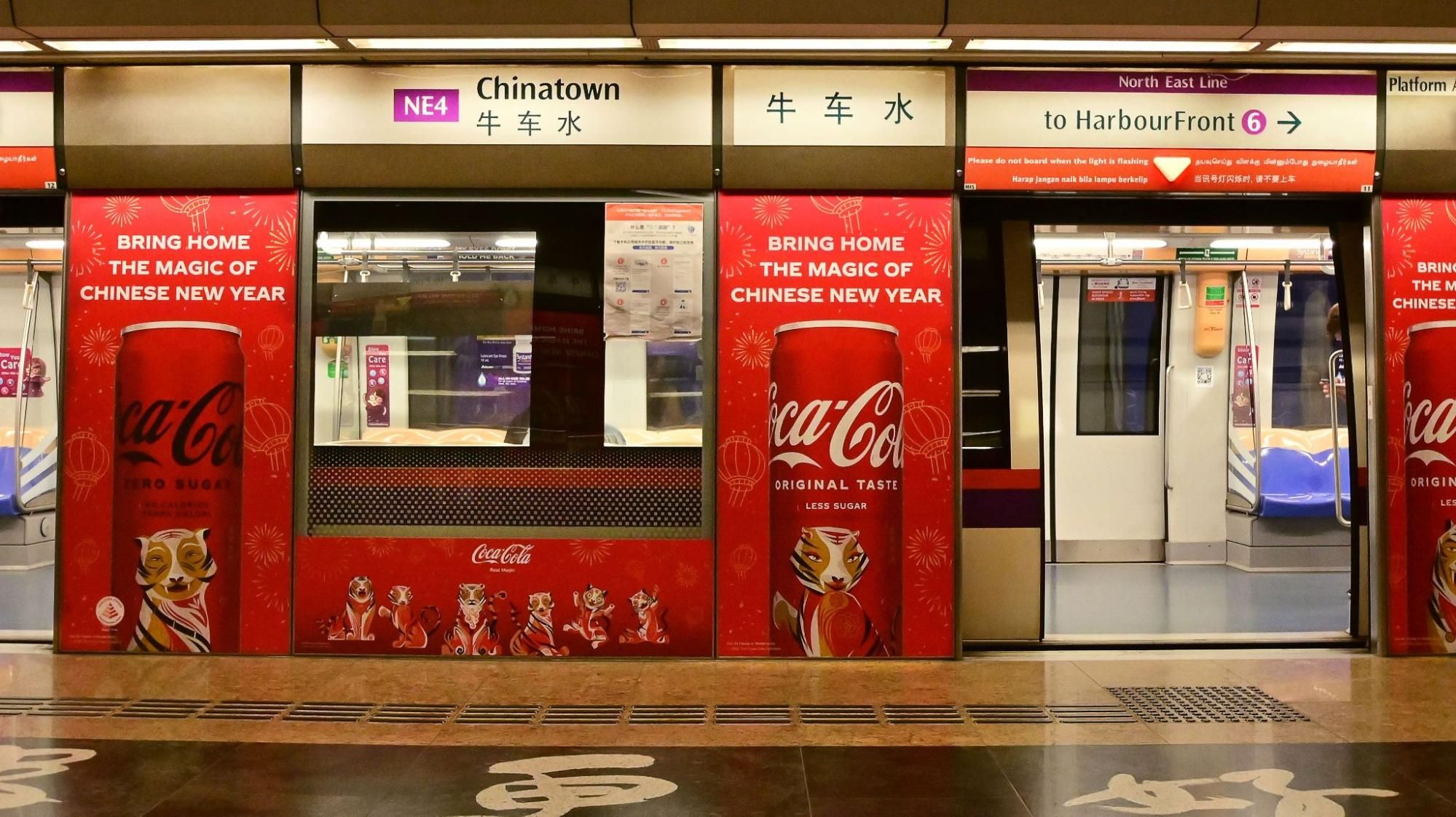
It is easy to get to Chinatown, Singapore, because there are several well-connected MRT stations nearby.
- Chinatown MRT (Downtown Line, North East Line): Closest to Pagoda Street, take Exit A
- Telok Ayer MRT (Downtown Line): Closest to Thian Hock Keng Temple and Amoy Street
- Tanjong Pagar MRT (East West Line): Closest to Tanjong Pagar precinct
- Outram Park MRT (East West Line, North East Line, Thomson-East Coast Line): Closest to the Bukit Pasoh area
What Are the Tips for Visiting Chinatown, Singapore?
A few simple tips can help make your visit to Chinatown, Singapore, easier.
- Cover your shoulders and knees before entering temples.
- Wear comfortable shoes, as most of the area is best covered on foot.
- Carry some cash for smaller stalls that may not accept cards.
- Start early if you want quieter temples and streets.
Remembering these tips will help you get the most out of your visit to Chinatown, Singapore.
Final Takeaway
It is easy to fall in love with Chinatown, Singapore. A walk here takes you past temples, food stalls, old shophouses, and small local shops, all close together. It is a great place to visit if you have a few hours or a whole day.
If you want to experience more than the usual sights in Singapore, this neighbourhood is a great place to begin. At Holiday Tribe, we help you create a Singapore itinerary that matches your style, with time for places like Chinatown Singapore and other favourite spots in the city.